
Quick answer: Many Volvo sources and dealers advise scheduling a timing belt replacement between 60,000 and 100,000 miles or roughly five to ten years. This window helps prevent major engine damage and keeps warranty terms clear.
Planning this service protects your engine and overall vehicle investment. Certified Volvo technicians use genuine parts and follow precise procedures for proper belt tension and alignment.
We cover mileage- and age-based intervals, how to spot early wear, and which related items to pair with a belt replacement to save time in the shop.
Why it matters: On interference engines, a worn belt can cause catastrophic harm. Timely replacement is a cost-effective step in routine maintenance that avoids roadside failures and costly repairs.
Key Takeaways
- Dealership guidance: plan timing belt replacement near 60k–100k miles or five–ten years.
- Use certified technicians and genuine parts to protect engine reliability and warranty.
- Track both age and mileage; either can trigger service needs.
- Watch for early symptoms of wear to act before damage occurs.
- Combine related maintenance tasks to save time and cost during service.
Quick answer: Volvo timing belt replacement mileage and time frames
Most guidance places routine service between 60,000 and 100,000 miles or about five to ten years. This window covers a wide range of models and engine types and aims to prevent costly engine damage from belt failure.
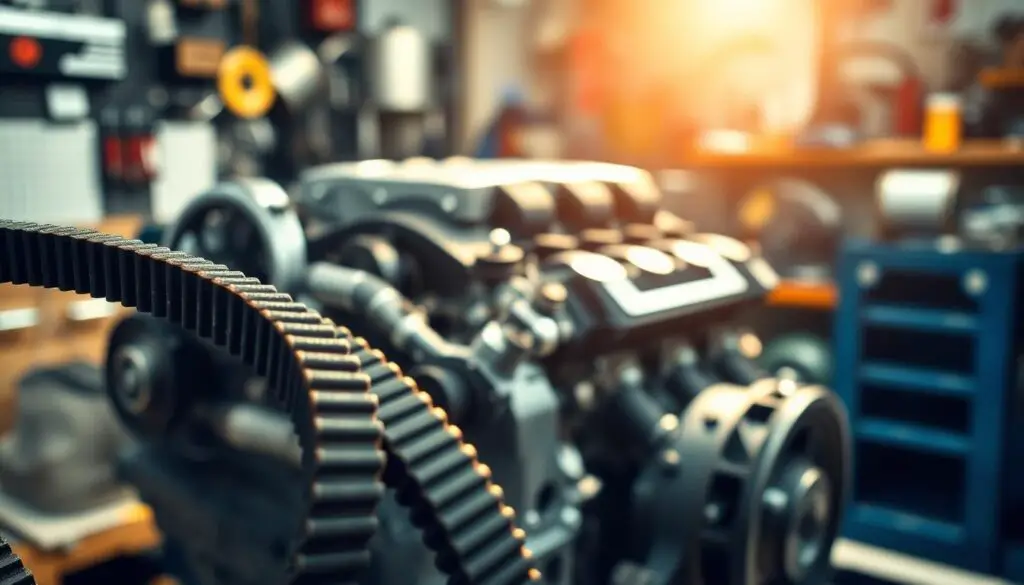
Age matters as much as miles. Rubber degrades, so even a low-use vehicle can need a scheduled timing belt replacement on time. If the last service history is unknown, arrange an evaluation sooner rather than later.
- Inspect regularly and plan replacement around 60k–100k miles or 5–10 years.
- Err on the side of early replacement to avoid internal engine damage.
- Treat check engine lights, hard starts, or odd noises as urgent signals to have the timing belt assessed.
| Interval | Why it matters | Recommended action |
|---|---|---|
| 60,000–100,000 miles | Prevents belt failure and engine damage | Schedule inspection and timing belt replacement |
| About 5–10 years | Age-related rubber degradation | Replace even on low-mileage vehicles |
| Unknown history / upper range | Higher risk of wear or failing components | Book prompt service with a certified technician |
At what mileage should I replace my Volvo’s timing belt?
Sustaining the correct service interval prevents costly piston and valve damage in interference engines.
Plan a service window between roughly 60,000 and 100,000 miles or about five to ten years, depending on model and engine code. Many Volvo powertrains use interference designs; a snapped belt can allow valves to contact pistons and cause immediate, expensive engine harm.
Driving habits and climate affect how soon a belt shows wear. Short trips, heavy towing, stop‑and‑go city driving, hot summers, and very cold winters all shorten service life. Oil or coolant leaks can further accelerate deterioration.
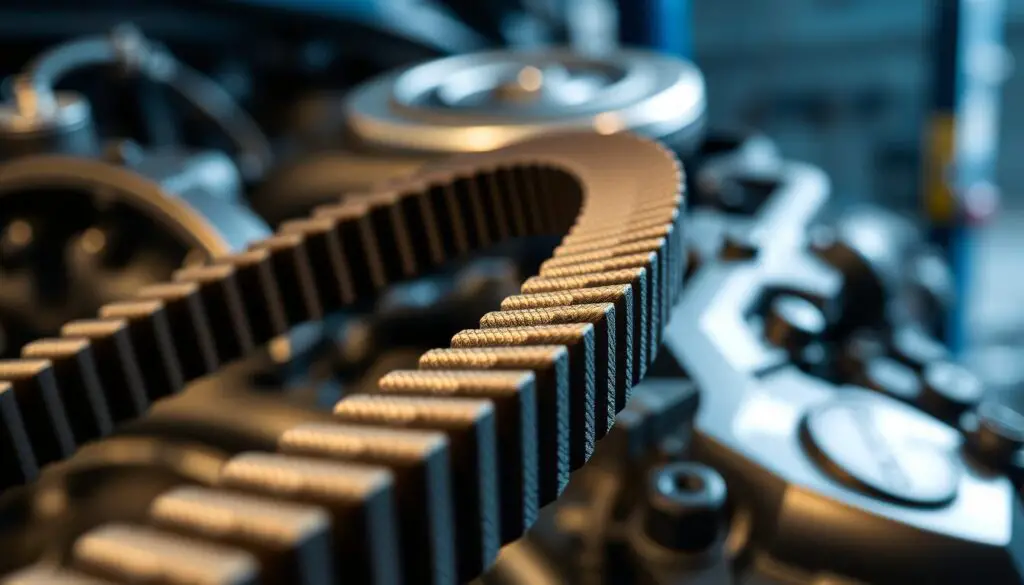
If service history is unclear, treat the belt as due and book a professional inspection. Follow the stricter of the miles or years guidance for your specific model, and consider replacing tensioners and the water pump at the same time to avoid repeat labor.
- Plan replacement around 60,000–100,000 miles or 5–10 years.
- Interference engines risk bent valves and damaged pistons if a belt fails.
- Adjust intervals earlier for severe driving or harsh climates.
For model-specific notes and related engine reliability details, see the Volvo five-cylinder engine reliability guide.
How to verify your exact interval for your model and engine
Confirming the exact service window for your specific Volvo saves time and prevents guesswork. Use factory documents and trained pros to get the interval matched to your VIN and engine family.
Check the Volvo owner’s manual and service schedule
Start with the owner manual and the official service schedule. Those pages list the recommended timing and any model-specific notes. Keep a copy with vehicle records for resale value.
Ask a Volvo-certified technician for model-specific guidance
Have a certified team perform an inspection and verify manufacturer bulletins. A technician can check tensioners, pulleys, and water pump condition while confirming whether a volvo timing belt or related work is due.
“Always follow manufacturer documents and VIN-based guidance to avoid surprises.”
- Ask the service team to search service history on pre-owned cars.
- Use genuine parts and correct torque specs for lasting results.
- Coordinate this with other scheduled maintenance to cut shop time.
Signs your Volvo timing belt needs attention before the interval
Early warning signs let you act before small faults become expensive repairs.
Dashboard and drivability
Treat a lit check engine light, hard starts, or sudden misfires as urgent signals. These drivability changes can point to timing problems that affect ignition and fuel delivery.
- Check engine light, intermittent misfires, or difficulty starting all call for prompt inspection.
Noises and vibrations
Listen for ticking, rubbing, or grinding from the front of the engine. Harsh idling or new vibration while driving often accompanies these noises.
Visual wear
Inspect for cracks, frayed edges, missing teeth, or a shiny, glazed surface. These are classic signs of accelerated wear and need immediate professional review.
Leaks and overheating
Oil contamination from leaking seals can degrade rubber quickly and ruin timing accuracy. Recurrent overheating or coolant loss near the front of the engine can indicate a failing water pump driven by the belt.
- Fix oil leaks to protect the belt and avoid costly repairs to pistons and valves.
- If symptoms appear before recommended miles, move up timing belt replacement to prevent internal damage.
When in doubt, book a diagnostic inspection promptly. Early action limits repair costs and helps keep your vehicle reliable.
Smart maintenance: pair timing belt replacement with related services
A coordinated shop visit that covers adjacent parts keeps the engine reliable and avoids extra downtime. Combine jobs to limit repeat labor and protect the cooling and drive systems that share the front of the motor.
Water pump, tensioners, and pulleys: components to replace together
Most service centers recommend changing the water pump, tensioners, and idler pulleys when you do a belt replacement. These components share labor and often age together.
Replacing them together reduces the risk of a new part failing soon after the job.
Oil leaks and seals: preventing belt contamination
Fix oil leaks from camshaft, crankshaft, or valve cover seals during the same visit. Oil contamination shortens belt life and causes uneven timing and wear.
Planning the service: estimated timing, parts quality, and installation best practices
Choose genuine parts and ensure the installation follows factory torque and alignment specs. A well-planned appointment cuts downtime and aligns with routine maintenance intervals.
Dealer advantages: Volvo-certified experts, diagnostics, and warranty-friendly repairs
Volvo dealers and specialist shops offer VIN-based diagnostics, genuine parts, and documented service. Ask about estimates, available specials, and pickup or valet options to simplify logistics.
“Combine related components and fix leaks in one visit to prevent repeat shop time and protect the engine.”
- Combine belt replacement with new tensioners and water pump when possible.
- Fix oil leaks during the same service to avoid contamination.
- Choose certified technicians and documented installation for long-term reliability.
Conclusion
A timely service visit prevents costly internal damage and keeps cars reliable. Use the quick-answer window as a baseline, then confirm exact details in the owner manual or with a certified technician.
If you notice unusual noises, drivability changes, or leaks, act sooner than the listed mileage or years. Combine belt replacement with water pump, tensioners, and seal work for a thorough result.
Choose documented professional service, keep records, and book an inspection today when history is unclear. This approach helps protect pistons and valves and keeps your vehicle ready for daily drives and long trips.
FAQ
When is it time to change a Volvo timing belt?
Most Volvo models call for a replacement between 60,000 and 100,000 miles or roughly 5–10 years. Exact intervals vary by model and engine type, so follow the owner’s manual or dealer guidance for the correct service window.
Why do these service intervals matter?
Many Volvo engines are interference designs; a failed belt can let pistons contact valves, causing costly engine damage. Regular replacement protects valves, pistons, and overall engine integrity.
Can driving style or climate change the recommended interval?
Yes. Severe driving, frequent short trips, heavy towing, and extreme heat or cold accelerate wear. In harsh conditions, shorten inspection and replacement intervals and consider earlier service.
How can I confirm the exact interval for my Volvo model?
Check the Volvo owner’s manual and the scheduled maintenance guide. If unclear, contact a Volvo-certified technician or dealership with your VIN for model-specific recommendations.
What signs indicate the belt needs attention before the scheduled service?
Look for check-engine lights, misfires, hard starts, unusual ticking or grinding noises, visible cracks or missing teeth on the rubber, and oil contamination. Any of these warrant immediate inspection.
Should other parts be replaced when the belt is changed?
Yes. Replace the water pump, tensioners, and pulleys at the same time to avoid repeat labor and to ensure long-term reliability. Also inspect seals and fix oil leaks that can damage the new belt.
Is dealer service better than an independent shop for this job?
A Volvo dealer offers trained technicians, OEM parts, and warranty-friendly records. A reputable independent shop can also deliver quality work at lower cost—verify certifications, parts quality, and warranty terms.
How much does the job typically cost and how long does it take?
Costs vary by model and region. Expect several hours of labor plus parts for belt, water pump, tensioners, and seals. Request a written estimate and a parts list before authorizing work.
Can I inspect the belt myself?
You can look for visible wear, cracks, frayed edges, glazing, or missing teeth, but the belt often sits behind covers. For a full evaluation, have a trained technician remove covers and assess tensioners and related components.
What happens if the belt fails while driving?
Failure on an interference engine often causes bent valves, damaged pistons, and extensive repairs. Pull over safely, tow to a shop, and avoid restarting the engine to prevent further damage.