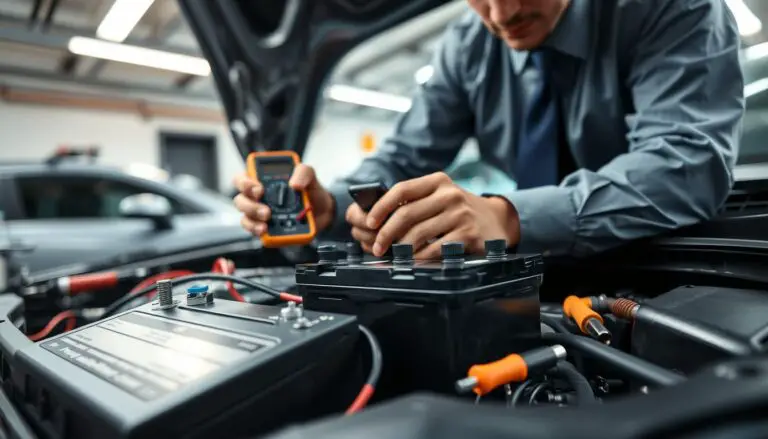

This practical guide helps owners diagnose a common engine temperature problem safely and quickly. It frames the troubleshooting process as a step-by-step plan: confirm the symptom, protect the vehicle, isolate the subsystem, then verify with simple checks.
Overheating means the gauge or warning shows a rising temperature, reduced cooling performance, or a dashboard alert. Left unchecked, heat can warp parts and cause costly engine damage.
The same symptom can look different based on driving conditions, coolant levels, and how fast the temperature climbs. This article teaches how to spot signs, what to do roadside, and which cooling components usually fail.
Expect clear guidance on safe owner checks — like coolant level inspection and obvious leaks — and when to call a professional. Repairs covered later include thermostat replacement, water pump diagnosis, radiator service, and cooling fan electrical checks.
Key Takeaways
- Act when a temperature warning appears to avoid major engine repair.
- Check coolant levels and visible leaks before driving further.
- Thermostat, water pump, radiator, and fan are common fault areas.
- Follow a safety-first approach: confirm, protect, identify, verify.
- Some checks are owner-friendly; others need a shop.
Spotting Volvo XC90 overheating signs and taking immediate action
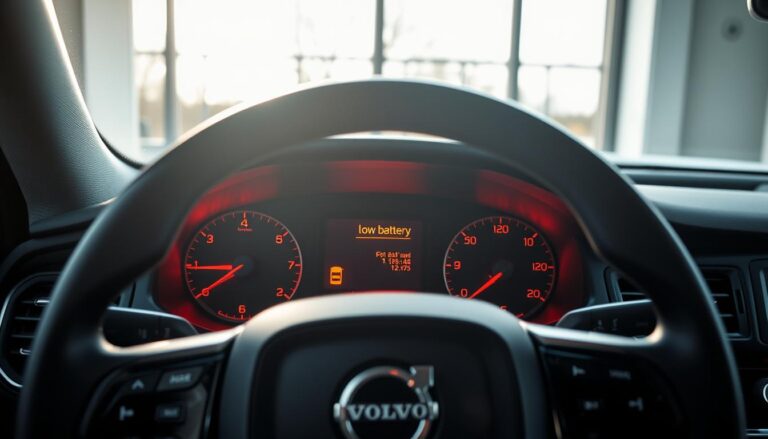
Small warnings on the dash often signal cooling trouble before severe engine damage occurs. Monitor the temperature gauge and any driver-display messages. Volvo cars show messages like engine temperature high – stop safely and a radiator icon for low coolant level. These are time-sensitive warnings designed to protect the engine.

Dashboard messages and what they mean
Thermometer icons and text link directly to engine temperature and coolant levels. A thermometer above wavy lines means the engine is too hot. A radiator icon usually points to low coolant or a leak.
Immediate action checklist
- Pull over safely and stop when prompted by the warning.
- Turn off the A/C and reduce load to help cooling.
- Let the engine idle to cool if the display advises, or switch it off if coolant level warnings appear.
Other clear signs to watch for
Steam or a sweet coolant smell under the hood, reduced engine performance, and unusual knocking are red flags. Never open the cooling system while hot. Treat any active warning as urgent and check coolant level only after the engine cools.
Why is my XC90 overheating? Common causes in the cooling system
Start with the simplest map: low coolant, poor circulation, or reduced heat rejection. Each path pushes engine temperature up quickly and helps narrow repair priorities.
Coolant loss and visible leaks
Leaks often come from radiator end tanks, hose connections, water pump seals, or the engine block. Owners spot puddles, dried residue, or that coolant needs frequent top-ups.
Low reservoir level with no clear leaks
Check the reservoir only when cool. Look for dried traces under the car or on engine parts. If the level falls again after a short drive, hidden leaks or a failing pump may be at fault.
Thermostat and flow restrictions
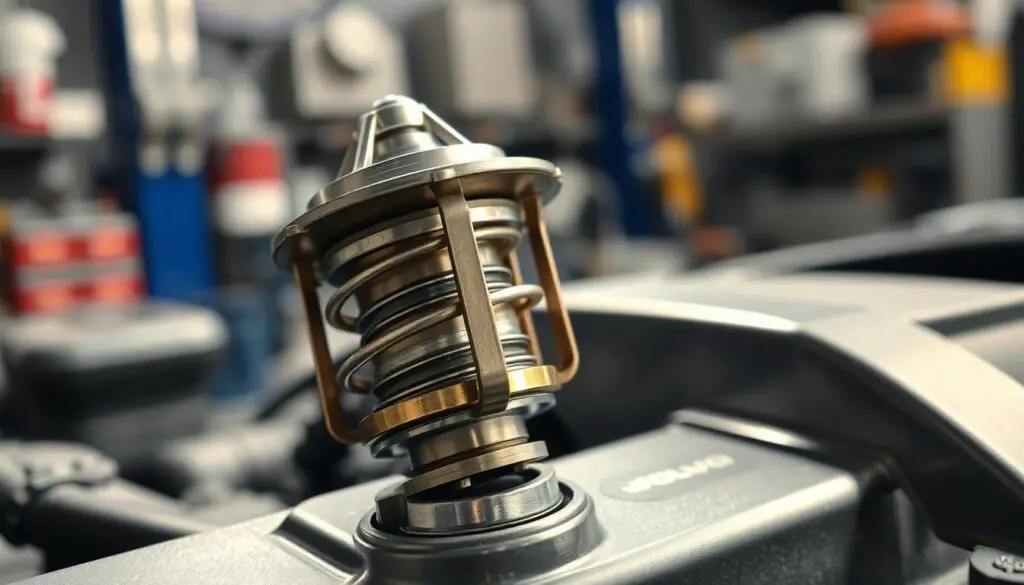
A stuck-closed thermostat blocks coolant flow and heats the engine fast. A stuck-open valve prevents proper warm-up and can mask other issues. Restricted flow through the engine is a common, rapid trigger for high temperature.
Water pump and circulation faults
Worn bearings, a broken impeller, or a leaking pump seal cause poor circulation and may produce a whining noise from the front of the engine. Delayed pump replacement lets damage spread.
Clogged radiator and blocked airflow
Sediment inside the radiator or debris outside reduces heat dissipation. Flushing or cleaning becomes necessary when coolant can’t shed heat through the radiator core.
Cooling fan and air movement
Electric fans fail by motor, relay, or sensor faults; belt-driven fans suffer clutch or tension problems. Poor airflow at idle often predicts temperature rise in traffic or slow climbs.
Severe engine risks and driving effects
Head gasket failure shows as oil/coolant mixing, white exhaust smoke, or misfires and accelerates damage. Hot climates, hilly routes, heavy loads, or running the A/C can push a marginal system over the edge.
Next step: match symptoms (puddles, noises, smoke, repeat low coolant) to the likely parts before buying replacements. For deeper engine faults, consult a shop or follow the repair checklist in the next section and see related technical notes on Volvo D12 engine problems.
How to fix XC90 overheating and prevent repeat issues
Before buying parts, run a stepwise check that separates leaks, flow faults, and airflow problems. This saves time and keeps service costs lower.
Cooling system inspection checklist
Visual first: look for wet spots, dried residue, or puddles under the car. Inspect hoses and belts for cracks or softness.
Check radiator fins for debris and confirm proper coolant level only after the engine cools.
Service and repair priorities
Address visible leaks first. If coolant loss continues, prioritize thermostat replacement for flow problems. Next, repair the water pump for weak circulation.
If heat rejection seems poor, clean or flush the radiator. Test the fan when the car heats at idle.
Fan diagnostics and shop verification
Cooling fan faults often appear in stop-and-go traffic. Distinguish motor, relay, and sensor issues from clutch or belt problems.
“A competent shop will pressure-test the system, verify fan operation, and check coolant contamination before approving major repairs.”
Maintenance habits and when to stop driving
Follow the manufacturer service schedule, top up coolant routinely, and keep timely oil changes to protect performance. Act fast on recurring top-offs to avoid serious damage.
Stop driving and call a shop if you see steam, smell strong coolant, lose power suddenly, hear knocking, or get repeated warnings. Tell the shop what you observed, when it happens, coolant level behavior, and any fan noise to speed verification and repairs.
Conclusion
, Common failures fall into three groups: coolant leaks, restricted flow, and inadequate air through the radiator.
Most cases on a volvo xc90 trace to coolant, circulation, or airflow faults. Catching these early saves repair cost and keeps the engine healthy.
Take warnings seriously: reduce load, stop safely, and avoid driving a hot car. Quick diagnosis often finds a small leak or a weak fan before a major failure.
If the problem comes back, treat it as an incomplete repair and seek full verification rather than repeated top-ups.
Maintain routine checks to keep your volvo reliable on daily drives and long trips.
FAQ
What are common causes of Volvo XC90 engine temperature rise and how can I fix them?
The most frequent culprits are low coolant level from leaks, a stuck thermostat, a failing water pump, a clogged radiator, or a faulty cooling fan system. Start by checking the coolant reservoir and radiator for visible leaks, inspect hoses and clamps, and verify fan operation when the engine heats up. Replace a faulty thermostat or water pump, flush a clogged radiator, and repair leaking hoses or seals. Prioritize repairs that restore proper coolant flow and heat dissipation to avoid engine damage.
What dashboard warnings should prompt immediate action about coolant level and engine temperature?
Watch for the temperature gauge in the red, a flashing temperature warning, or a low coolant level alert. These indicate the engine is running hotter than normal or coolant is low. Pull over safely, shut the engine off, and let it cool before checking the reservoir. Driving with those warnings risks head gasket failure and severe engine damage, so seek service if the problem persists.
What should I do if the display shows “engine temperature high” or “engine coolant level low”?
Stop driving as soon as it’s safe. Turn off the A/C and run the heater on high to draw heat away from the engine, then pull over and let the system cool. Check the coolant reservoir level once cool. If coolant is low, top with the correct Volvo-approved antifreeze mix. If the warnings return after topping off, avoid driving and have the cooling system inspected for leaks or component failure.
What other clear symptoms indicate a cooling system problem?
Steam or white vapor from under the hood, a sweet syrupy smell (coolant), noticeable power loss, rough running or misfires, and odd engine noises like whining or grinding point to cooling system trouble. These signs often accompany leaks, air trapped in the system, or failing mechanical parts such as the water pump or a broken fan.
How do coolant leaks cause overheating, and where do they usually appear?
Leaks let coolant escape, lowering system volume and reducing heat transfer. Common leak spots include the radiator, heater core, hoses, hose clamps, water pump seals, and around the engine where gaskets or freeze plugs fail. Inspect for wet spots, puddles, or crusty coolant residue. Repairs range from tightening or replacing hoses to swapping the radiator or water pump.
What if coolant level is low but I can’t find a visible leak?
Low level without an obvious leak can result from slow internal leaks, evaporation from a cracked reservoir, or air in the system after a recent service. Check the reservoir cap, pressure-test the system, and inspect for coolant in the oil or white smoke from the exhaust, which could indicate a head gasket issue. A shop can perform a dye or pressure test to pinpoint hidden leaks.
How does a faulty thermostat lead to restricted coolant flow?
A thermostat that sticks closed prevents coolant circulation through the radiator, trapping heat in the engine. Symptoms include rapid temperature rise after startup and uneven heating in the cabin. Replacing the thermostat is a relatively low-cost fix that restores normal flow and temperature regulation.
What signs point to a failing water pump on a Volvo XC90?
Look for a whining or grinding noise from the front of the engine, coolant leaks near the water pump weep hole, overheating under load, or poor heater performance. Internally damaged impellers or worn bearings reduce circulation. Water pump replacement is recommended when these symptoms appear, often paired with timing or drive belt service if applicable.
How does a clogged radiator affect engine heat, and what maintenance fixes it?
Sediment and scale restrict coolant flow and reduce heat transfer, causing higher operating temperatures. Flushing the cooling system can remove internal buildup; persistent blockage may require radiator removal and professional cleaning or replacement. Regular coolant changes help prevent clogging.
How do cooling fan problems cause temperature rises?
Electric fan motors, relays, or temperature sensors can fail, preventing proper airflow through the radiator at low speeds or idle. Some models use a belt-driven fan or clutch that can fail too. If the fan doesn’t engage, the engine can overheat in traffic or hot weather. Diagnose fan operation and replace faulty motors, relays, sensors, or belts as needed.
What are the warning signs of a head gasket failure affecting coolant and oil?
Coolant mixing with engine oil (milky oil), persistent white exhaust smoke, unexplained coolant loss with no visible leak, and misfires suggest head gasket failure. This is a serious issue that requires immediate professional diagnosis and repair to avoid catastrophic engine damage.
How do driving conditions and environment contribute to overheating?
Heavy towing, steep grades, stop-and-go traffic, hot ambient temperatures, and prolonged high-speed driving increase cooling demand. Running the A/C or carrying heavy loads compounds heat buildup. Adjust driving habits when conditions are extreme, check cooling system health, and ensure proper coolant concentration and fan operation.
What checklist should I use when inspecting the cooling system?
Inspect coolant level and condition, radiator and reservoir caps, hoses and clamps for cracks or bulges, belt tension and condition, visible leaks, fan operation, and radiator fins for blockage. Also check for oil contamination and coolant color; dark or rusty fluid indicates contamination or corrosion and calls for a system flush.
Which repairs should get priority to stop recurring temperature problems?
Prioritize repairs that restore coolant circulation and cooling capacity: thermostat replacement, water pump repair or replacement, radiator cleaning or replacement, fan motor/relay/sensor fixes, and sealing visible leaks. Addressing these items prevents repeat overheating and protects the engine.
What maintenance habits prevent cooling system failures?
Follow Volvo’s recommended service intervals for coolant changes, check levels monthly, replace hoses and belts at signs of wear, and service the radiator and fans as needed. Regular oil changes and inspections catch early issues that might affect the cooling system.
When should I stop driving and call a repair shop to avoid engine damage?
Stop driving immediately if the temperature gauge reaches red, steam appears, or the vehicle loses significant power or produces unusual noises. Continuing risks warped heads, blown head gaskets, or seized engines. Tow the vehicle to a trusted Volvo technician for a thorough cooling system diagnosis and repair.