
This alert signals that your vehicle’s onboard diagnostic system found a fault affecting performance or emissions. It differs from routine maintenance reminders because it ties directly to engine diagnostics and possible drivability problems.
Typical triggers include sensor failures, fuel or air metering errors, and ignition or fuel delivery faults. Examples are oxygen sensor or catalytic efficiency faults (P0420), EVAP leaks like a loose gas cap (P0455), MAF/MAP errors (P0171/P0172), and misfires (P030X).
Ignoring this light can raise emissions, cut fuel economy, and risk engine or catalyst damage. A flashing check engine or check engine light means a severe misfire; stop driving and get a scan immediately.
Scanning for DTCs and checking live system data is the fastest route to clarity. This guide will show what to inspect first, basic DIY checks, when to stop driving, and expected repair cost ranges in the United States.
Key Takeaways
- Alert comes from the engine diagnostic system, not routine service prompts.
- Common faults: sensors, catalytic efficiency, EVAP, MAF/MAP, and ignition.
- A flashing light indicates a severe misfire and immediate attention is required.
- Scan for codes and review live data to pinpoint root causes quickly.
- Prompt diagnosis limits damage, saves fuel, and lowers overall repair costs.
Understanding the Volvo “Service Engine Soon” warning in the present day
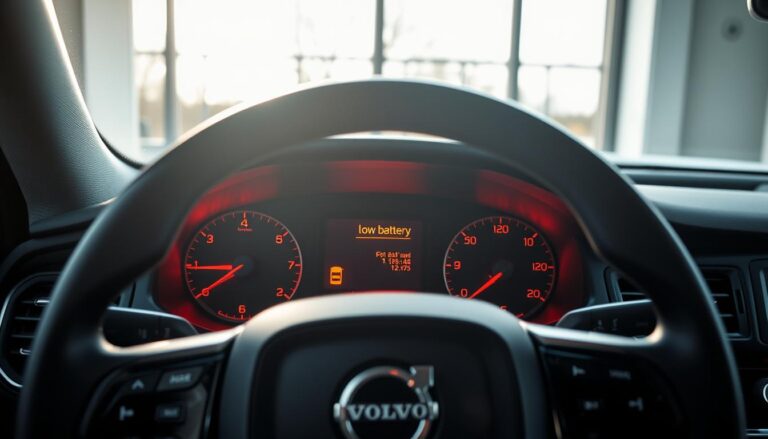
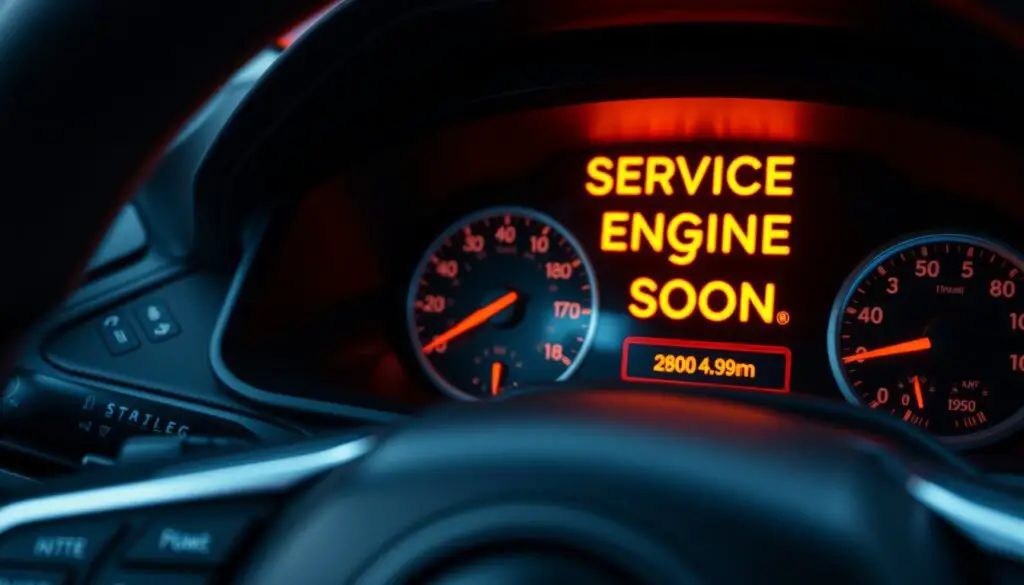
When that dash lamp appears, the car’s control module has recorded sensor data outside expected ranges. This signals a fault in engine or emissions control and asks for diagnosis rather than routine upkeep.
How this differs from a check engine indicator
Both indicators tie back to the powertrain diagnostic system. The check engine label and service lamp point to stored DTCs that flag faults in ignition, fuel, or emissions subsystems.
When the ECM sees values out of spec it logs a code and lights the dash. A steady lamp calls for prompt diagnosis. A flashing check engine light signals a strict misfire that can overheat the catalytic converter and cause rapid damage.
Why prompt action protects emissions, performance, and hardware
Addressing faults quickly limits higher fuel use, worse emissions, and escalating repairs. DTCs show where to look, but verification with live data, smoke tests, and component checks is essential.
- Treat intermittent warnings seriously; issues can return and worsen.
- Ignoring alerts often increases repair time and cost, especially if the catalyst is harmed.
- Use the warning as an early detection tool to preserve performance and avoid long-term damage.
| Indicator | What it means | Immediate action |
|---|---|---|
| Steady light | Stored fault in engine or emissions system | Scan for DTCs; schedule diagnosis |
| Flashing light | Active misfire risking catalytic overheat | Reduce driving; stop and tow if persistent |
| Intermittent | Occasional faults like EVAP leaks or aging sensors | Scan when possible and monitor live data |
Next: we’ll break down typical fault groups and step-by-step checks so you can pinpoint root causes with confidence.
What are the common causes for a Volvo “Service Engine Soon” message?
A single dash lamp can signal faults that range from a loose gas cap to worn catalytic hardware. Scan codes first to separate simple fixes from costly repairs.

How engine, emissions, and sensor faults trigger the warning light
Frequent triggers include catalytic converter inefficiency (P0420), oxygen sensor faults, EVAP large leak codes (P0455), and MAF/MAP errors that cause P0171/P0172 lean or rich conditions.
Other common entries are intake or vacuum leaks, ignition misfires (P030X), crank or cam position faults, VVT and EGR malfunctions, and fuel delivery problems like a weak pump or clogged filter.
“Small issues — such as a loose gas cap — can produce the same dash alert as big component failures.”
- These faults upset air‑fuel control and combustion quality, degrading performance and emissions.
- Sensors provide feedback to the ECM; contamination, wiring faults, or failure can mislead the control system.
- Misfires can overheat the catalyst quickly, especially under load or when the indicator flashes.
Tip: Intermittent codes may show only at certain loads or temperatures. Look for code combinations (for example, a lean code plus EVAP leak) to guide targeted testing instead of blind parts swapping.
Emissions-related triggers: catalytic converter, oxygen sensor, and EVAP system
Emissions faults often start small but can quickly damage exhaust hardware if left untreated. Scan data will point toward exhaust or vapor systems when codes reference catalyst, O2 sensors, or EVAP circuits.
Catalytic converter efficiency and overheating risk (P0420)
P0420 means the catalytic converter isn’t filtering exhaust efficiently. Efficiency drops from aging substrate, carbon clogging, oil burning, or prolonged rich running.
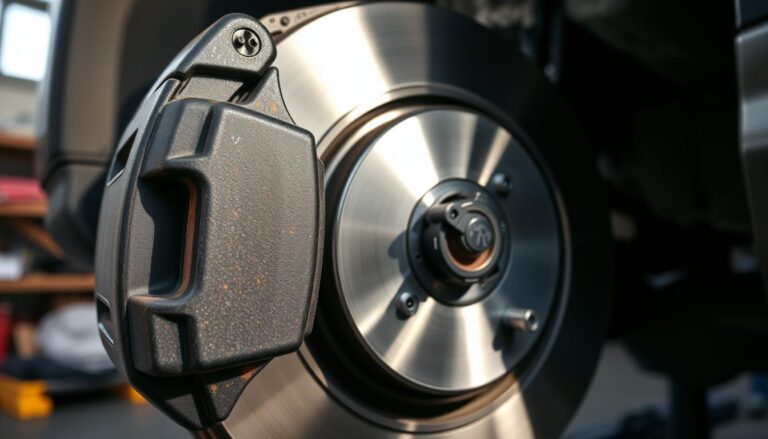
Misfires dump raw fuel into the exhaust and can raise converter temperatures fast. That overheating can crack the substrate or melt it, causing rattles and poor performance.
Oxygen sensor faults and their impact on performance
Upstream and downstream oxygen sensors feed mixture data to the ECM. Contamination or age skews readings and leads to poor fuel economy and higher emissions.
Verify O2 sensor health before condemning the converter. Faulty sensor data or improper fueling can trigger false converter codes.
EVAP leaks, loose gas cap, and large leak codes (P0455)
The EVAP system traps fuel vapors and monitors pressure for leaks. Common failures include a loose gas cap, cracked hoses, faulty purge or vent valves, or a damaged canister.
- Loose cap or bad seal — quick fix: replace with correct-spec cap.
- Intermittent leaks — often need smoke or pressure testing to find.
- Large leak codes like P0455 usually point to major hose or canister issues.
Prompt repair of emissions faults prevents further engine or converter damage and restores compliance.
Air and fuel metering issues: MAF/MAP sensors and intake air leaks
Dirty sensors or leaking intake paths commonly upset mixture control and show as drivability faults. These faults often produce a check engine light and poor engine response.
MAF and MAP roles: The MAF measures intake flow while the MAP senses manifold pressure. Both guide fuel delivery and ignition timing to match load and speed.
Typical failure modes: dirt or oil contamination, aging circuitry, damaged connectors, corroded pins, and wiring breaks can all degrade sensor output.
Dirty or faulty MAF/MAP causing lean/rich conditions (P0171/P0172)
P0171 and P0172 link to lean or rich running and show as hesitation, surging, rough idle, and higher emissions.
Clean contaminated MAF elements with a non‑residue MAF cleaner and avoid over‑oiling aftermarket filters. Persisting skewed fuel trims after cleaning can point to sensor failure or fuel pressure issues.
Vacuum leaks, cracked hoses, and rough idle symptoms
Vacuum leaks add unmetered air that mimics bad sensor data. These leaks are hard to spot and often need smoke testing or cautious propane/brake‑clean sweeps to find.
- Inspect intake boots, PCV and purge lines, and brake booster hoses for splits or loose clamps.
- Review fuel trims and MAF g/s in live data at idle and under load to validate faults.
- Use OEM‑spec sensors for reliable long‑term performance and proper service results.
Ignition and misfire problems: spark plugs, coils, and position sensors
When one cylinder loses spark, nearby components and emissions control face added stress. Ignition faults often present as rough idle, hesitation, or a persistent check engine flag. Early action prevents further engine strain and potential catalytic converter damage.
Worn spark plugs and coils commonly trigger P030X misfire codes. Worn spark plugs, cracked coils, or damaged coil wiring reduce combustion quality and lower fuel economy. Swap coils between cylinders to isolate a bad unit on many coil‑on‑plug systems.
Position sensor failures and starting/stalling
Crankshaft and camshaft sensors give timing signals the engine needs. Erratic signals can cause stalling or a no‑start, sometimes without an immediate DTC. Check sensor seating, cleanliness, and connector corrosion.
- Inspect plug condition and correct gap; look for oil fouling.
- Test coil output and examine coil‑on‑plug boots and wires.
- Use live misfire counters to pinpoint affected cylinders after repairs.
| Fault | Symptoms | Quick checks |
|---|---|---|
| Worn spark plugs | Rough idle, misfire codes | Remove and inspect gap, replace at interval |
| Bad ignition coil | Single‑cylinder misfire, poor acceleration | Swap coils, test secondary output |
| Crank/Cam sensor | Stall, no‑start, intermittent faults | Check wiring, connector corrosion, sensor alignment |
Tip: Fix ignition problems first to avoid misdiagnosing converter or oxygen sensor faults.
Fuel delivery problems that can set the service engine warning
Low fuel delivery often shows up as intermittent misfires, poor throttle response, and reduced highway power.
Inadequate supply or poor spray patterns upset combustion and trigger lean faults or misfires. Weak pumps, clogged filters, or restricted lines cut available flow and lower rail pressure under load.
Common supply and injector faults
Dirty or failing injectors reduce atomization and cause incomplete burns. That raises emissions and hurts fuel economy.
- Weak pump symptoms: hard starts, hesitation under load, and surging at speed.
- Partially clogged filters can idle normally but starve the engine during acceleration.
- Electrical problems at the pump can drop voltage and reduce output.
Test and verify: measure fuel pressure with a calibrated gauge at idle and under load, then compare to Volvo specs. Check pressure decay after shutdown to spot leakdown at the pump or injectors.
| Fault | Symptoms | Quick test |
|---|---|---|
| Weak fuel pump | Hard start, loss of power under load | Fuel pressure under load vs spec; inspect voltage at pump |
| Clogged filter | Normal idle, starved on acceleration | Replace filter; re-test pressure at wide open throttle |
| Dirty injector | Cylinder‑specific misfire, poor economy | Flow test or cleaning; compare injector balance |
When trims or misfire counters point to cylinder fueling problems, flow‑test or clean injectors even if rail pressure looks OK. After repairs, re-test pressure and confirm normal fuel trims to restore engine performance and protect the catalyst.
For related troubleshooting on reduced combustion output, see reduced engine performance.
How to diagnose it yourself: step-by-step Volvo check engine troubleshooting
Start troubleshooting by capturing stored codes and live stream data; that clarity saves time and avoids needless parts swaps.
Scan for DTCs and read live data
Use an OBD‑II scanner to record stored and pending DTCs plus freeze‑frame conditions. Note fuel trims, O2 switching, MAF values, coolant temp, and misfire counters. These readings narrow down which system to inspect next.
Visual checks: battery, fuses, wiring
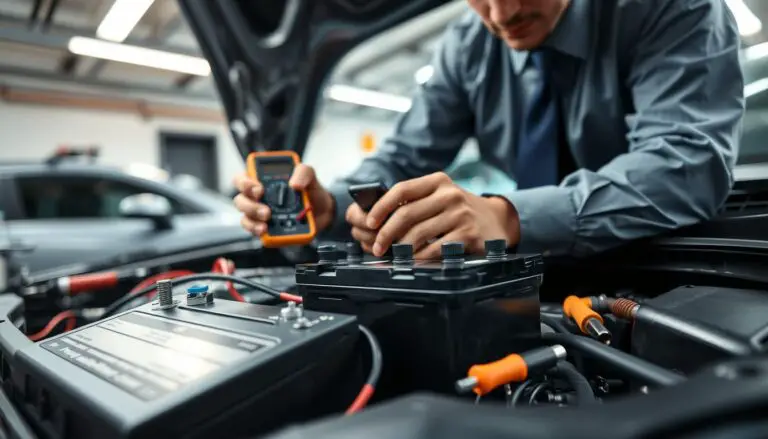
Test battery state of health; below ~12.4V recharge or replace. Low voltage can trigger spurious codes and odd sensor behavior.
Inspect fuses and wiring at coils, injectors, MAF/MAP, and EVAP connectors for corrosion or looseness.
Targeted inspections and when to reset
Smoke test for vacuum and EVAP leaks, verify fuel pressure against spec, and gently clean a contaminated MAF with proper cleaner. Check gas cap seal if EVAP codes appear.
Clear codes only after repairs and complete a drive cycle. A battery disconnect or code erase can hide a transient problem but won’t stop a persistent fault from returning.
“Capture live data first — it tells you whether to check electrical, fuel, or sensor paths.”
| Step | Quick action | Why it matters |
|---|---|---|
| OBD‑II scan | Log DTCs and freeze frame | Points to subsystem and conditions |
| Battery/fuse check | Measure voltage; inspect fuses | Prevents false or intermittent codes |
| Sensor & intake check | Clean MAF; smoke test for leaks | Fixes common lean/rich and idle issues |
| Fuel system test | Measure pressure under load | Detects pump/filter and injector faults |
Flashing vs. steady light: is it safe to drive your vehicle?
A blinking dash lamp signals an urgent combustion fault that can quickly harm exhaust hardware.
If the check engine light flashes, this usually means a severe misfire is sending unburned fuel into the exhaust. That fuel raises catalytic converter heat and can destroy the converter in minutes under load.
Pull over safely if flashing. Avoid high RPMs or heavy load and arrange a tow. Towing often costs less than replacing a damaged catalytic converter and related parts.
A steady light generally allows cautious driving to a service facility. Still, limit trips and avoid long idling or hard acceleration until inspected.
Symptoms that raise urgency: rough running, loss of power, strong fuel smell, or engine knocking.
- Flashing = stop and tow to prevent converter heat damage.
- Steady with drivability issues = minimize driving; get service soon.
- Steady with normal feel = drive gently to the shop and monitor temps.
| Indicator | Immediate action | Risk if ignored |
|---|---|---|
| Flashing engine light | Pull over; arrange tow | Catalytic converter meltdown, O2 sensor and engine damage |
| Steady engine light (poor feel) | Limit driving; seek service same day | Escalating damage, higher repair cost |
| Steady engine light (no symptoms) | Drive gently to shop; document conditions | Possible hidden faults; diagnostic needed |
Pro tip: Track coolant and oil heat, note vehicle load and conditions, and record symptoms to speed diagnosis and help the service team.
Repair timelines and cost expectations in the United States
Repair bills for dash warnings can span from a small parts swap to a multi-thousand dollar replacement. Minor fixes such as a gas cap or an EVAP hose often land near a few hundred dollars. Major work — catalytic converter, fuel pump, or multiple injector replacements — can reach $2,000–$3,000.
Many shops list diagnostic fees between $88 and $111, though some waive that charge when you approve the repair. Ask for an itemized estimate that lists parts, labor hours, shop fees, and taxes.
- Same-day: O2 sensor or MAF swaps and simple service that needs little reprogramming.
- Next-day: converter or fuel pump jobs when parts are available.
- Multi-day: wiring harness, seized fasteners, or repairs needing adaptives and re-flash.
Request returned parts and a scan report after work. This proves the fix and helps avoid repeat visits. Use OEM-quality parts for emissions components to protect economy and long-term engine health. For related diesel concerns, see D16 engine problems guide.
Preventing future warnings: maintenance and driving habits
Routine care and mindful driving cut the chance of dash warnings and keep systems running clean. Simple, repeatable actions protect emissions hardware and preserve engine performance.
Follow PMS, use correct fuel, and keep software and parts up to date
Adhere to factory maintenance schedules for plugs, filters, fluids, and timing services to stabilize performance and emissions.
Use the recommended octane and top‑tier fuel to reduce deposits and knock. Replace oxygen sensor and MAF parts with OEM or high‑quality equivalents to maintain proper control strategies.
Keep ECM software current; firmware updates can improve drivability and fix calibration issues that otherwise trigger alerts.
Avoid aftermarket issues and protect sensors and emissions systems
Poorly installed alarms, exhausts, or intakes can cause electrical noise, leaks, or wrong sensor readings. Choose professional installs and inspect connectors after modifications.
- Test the battery periodically; typical life spans three to five years to avoid voltage‑related faults.
- Check vacuum and EVAP hoses and replace brittle rubber; confirm the fuel cap seals properly.
- Schedule injector cleaning and intake service when driving conditions or fuel quality are poor.
Consistent maintenance sustains fuel economy and prevents warning recurrences.
Conclusion
Treat a dash alert as an actionable diagnostic cue and act quickly.
Scan for DTCs, validate findings with live data, and run targeted checks. This approach helps spot emissions, air/fuel metering, ignition, sensor, and fuel delivery faults before they worsen.
If the check engine light flashes, stop driving and arrange tow to avoid converter damage. A steady engine light still needs prompt inspection to prevent long‑term harm.
Use OEM parts, document symptoms and repairs, and follow routine maintenance. Timely fixes protect fuel economy, performance, and emissions compliance while saving time and cost down the road.