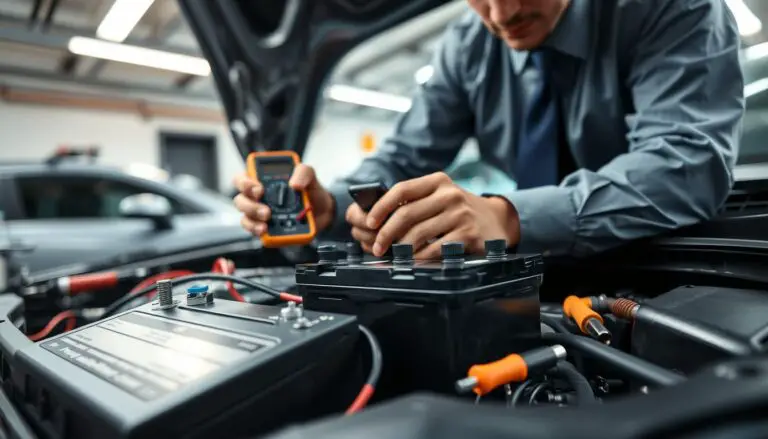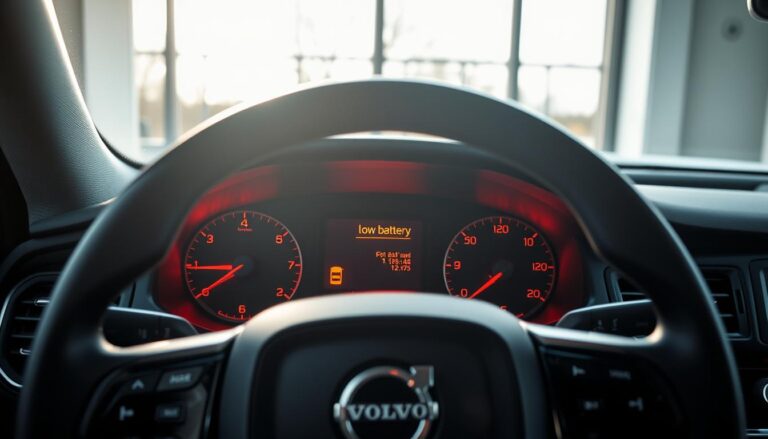

Finding the true source of an oil leak in an aging Volvo matters now. Left unchecked, small drips can lead to burning smells, contaminated belts, and sudden failures that harm safety and performance.
Start by scanning visible areas around the valve cover, oil pan, and crankshaft seals. Heat and age often harden gaskets until they let oil seep out. That oil can pool under the front of the car or drip between the engine and transmission.
Front crank seal leaks may coat the serpentine belt and reduce accessory power. Rear main seal drips show near the bell housing. Faulty filters, loose drain plugs, or damaged pans also rank high on the list of causes.
This section prepares you to match signs — dark puddles, burning odor, or belt slippage — to likely trouble spots. Prompt attention reduces downtime and protects engine life for your vehicle or car, including models like the Volvo EX90.
Key Takeaways
- Heat and age commonly weaken gaskets and seals, causing seepage.
- Look for oil under the front of the car and around the valve cover.
- Front crank seal leaks can contaminate belts and hurt drivability.
- Small drips can escalate into safety and performance problems.
- Early checks and targeted fixes extend engine life and avoid costly repairs.
How to spot oil leaks in older Volvo engines right now: signs, smells, and safe checks
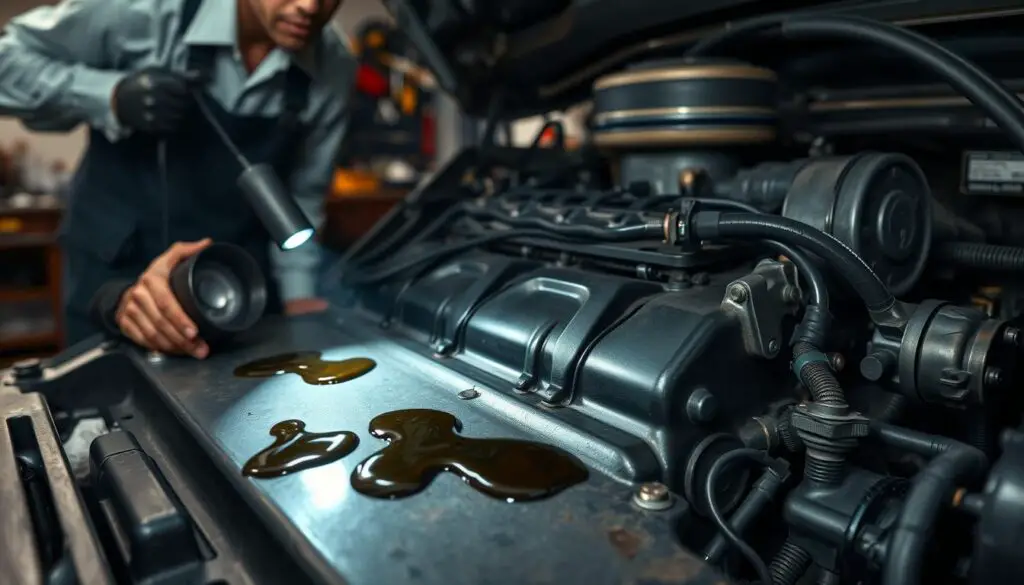
A quick driveway check for brown or black puddles often catches a problem before it grows. Scan under the front of the car for fresh dark spots. These marks are a reliable sign that fluid is escaping the engine.
Visible signs
Open the hood on level ground and look for oil film around the valve cover and wetness near the timing cover. Oil tracks up the block point to high-mounted leaks. Forward puddles tend to mean pan gasket or pan damage.
Smells and sounds
A sharp burning smell while hot usually means oil meets hot components like the exhaust. If belts chirp or slip, suspect contamination from nearby seepage.
Dashboard and dipstick
If a warning light appears, check the dipstick. Low engine oil or a falling level signals an active leak or pressure issue that needs fast action.
Why urgency matters
Low pressure, overheating, and internal wear can follow ignored leaks. Document smells, sounds, and visible patterns to help a technician. For deeper diesel or heavy-duty issues, see this guide onengine D12 problems.
| Symptom | Likely area | Immediate action |
|---|---|---|
| Dark puddle under front | Oil pan/gasket | Check pan, tighten drain plug |
| Oil film at valve cover | Valve cover gasket | Inspect gasket, replace if brittle |
| Burning oil smell | Oil on exhaust/manifold | Avoid driving, trace source |
What are common sources of oil leaks in older Volvo engines?
Small drips often trace back to a handful of failing gaskets, seals, or service mistakes. Identifying which component fails first makes repairs more effective and prevents repeat problems.
Valve cover gasket problems
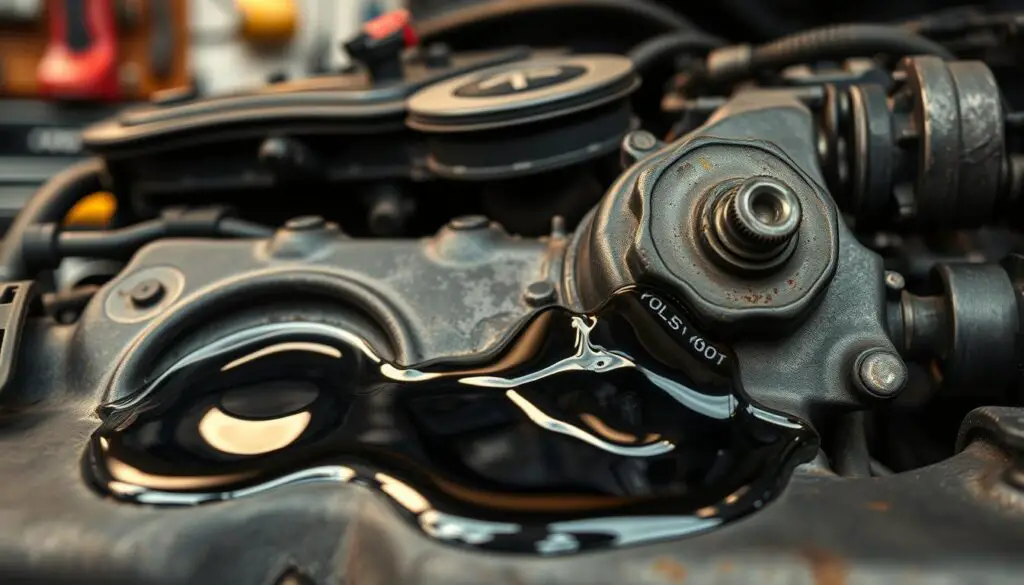
Heat and age harden the valve cover gasket. Minor seepage shows as oil at the cover edge and can produce a burning smell when oil hits hot parts.
Oil pan gasket and pan damage
A worn oil pan gasket or a dented oil pan from road debris leads to low-mounted drips and dark puddles under the front of the vehicle. These signs help distinguish pan issues from higher leaks.
Front crankshaft seal and serpentine belt contamination
When the front crank seal fails, oil can sling onto the serpentine belt. That contamination causes belt slippage, noise, and reduced accessory power if not fixed.
Rear main seal and timing cover seals
Rear main seal drips typically collect between the engine and transmission bell housing. Timing cover seal deterioration lets oil threaten timing belt or chain components, raising the risk of a serious failure.
Oil filter and drain plug mistakes
Loose drain plugs or improperly installed filters often produce fast, obvious leaks after service. These are avoidable but common causes for rapid oil loss.
Tip: Multiple seals and gaskets age together on higher-mileage cars. Accurate identification of the source reduces unnecessary parts replacement and limits further damage.
How to troubleshoot, repair, and prevent Volvo engine oil leaks
Start with a clean engine bay. Remove grease and dirt so new stains stand out. Then run the motor briefly and watch where fresh fluid runs. Bright light or a UV dye helps you follow the path from high points down to the drip.
Step-by-step troubleshooting
Clean, inspect, run, and trace. Degrease suspect areas, check fasteners, and look at gasket lines. Verify oil filter seating and drain plug torque first, since service errors show up quickly.
Repair choices
Small fixes—filter seals or a tightened plug—suit skilled owners. Replace worn gaskets and damaged pans with OEM parts to reduce repeat problems. For front or rear crankshaft seal jobs and timing cover work, seek a Volvo-certified technician to avoid costly repairs.
Maintenance plan
Prioritize regular maintenance. Use scheduled oil changes, periodic torque checks, and early gasket replacement. After any repair, recheck levels and pressure, road-test, and inspect for residual seepage to protect performance and safety.
Conclusion
A quick final check of seals, gaskets, and service fittings helps prevent small drips from becoming major repairs.
Inspect stains, monitor engine oil levels, and respond to warning lights without delay. Early attention keeps oil pressure steady and protects performance.
Typical fixes include replacing worn seals, fitting new gaskets, repairing a damaged oil pan, and correcting filter or drain plug installation. Use OEM parts and proper torque to reduce repeat issues.
After any repair, verify level and pressure, perform a short road test, and recheck for residual leaks. Seek professional help for rear main or timing cover work that needs special tools.
Follow these steps and your Volvo cars and vehicle will stay cleaner, more reliable, and ready for the road.
FAQ
How can I quickly spot oil leaks on my older Volvo?
Look for dark stains or fresh drips under the vehicle, especially after it has sat overnight. Check the valve cover area, oil pan seam, timing cover, and the bell housing area for wet oil. Smell for burning odors while the engine is warm—oil on hot components often creates a distinct scent. Finally, monitor the dipstick and dashboard: falling oil level or oil pressure warnings signal active loss.
Which gasket failures commonly cause seepage around the valve cover?
Heat and age harden rubber and cork valve cover gaskets, allowing oil to seep past the seal. Seepage often shows as wet oil at the top of the engine and can drip onto exhaust components, producing a burning smell. Replacing with OEM-quality gaskets and ensuring correct torque on cover bolts stops most leaks.
Why does the oil pan or its gasket leak on older Volvos?
Road debris, corroded drain plug threads, or a crushed gasket can let oil leak at the pan seam. Damage to the pan itself produces larger drips and puddles beneath the front or rear of the engine. Repair options include replacing the gasket, repairing or replacing a damaged pan, and using a torque-specified drain plug.
What signs point to a failing front crankshaft seal?
A leaking front crank seal often wets the timing/serpentine belt and nearby pulleys, causing belt slippage or contamination. You may see oil along the timing cover edge and find oil splatter on the accessory belt. Address this promptly to avoid belt failure and accessory damage.
How does a rear main seal leak present itself?
Rear main seal leaks usually drip between the engine and transmission bell housing. Signs include oil on the transmission housing, a steady drip beneath the center of the car, and unexplained low oil levels. Repairing this seal often requires engine/motor support or transmission removal, so professional service is common.
Can the timing cover cause major oil loss if its seal fails?
Yes. A degraded timing cover seal or gasket allows oil to escape near timing components. This not only reduces oil level but risks contaminating the timing belt or chain, which can cause timing-related failures. Replace seals with OEM parts and inspect timing components during repair.
Are oil filter and drain plug issues a frequent leak source?
Absolutely. An improperly installed oil filter, a loose or stripped drain plug, or a worn crush washer will leak. These leaks often show as small drips under the oil pan area after an oil change. Use correct torque specs, a new crush washer, and an OEM filter to prevent recurrence.
What’s a practical step-by-step way to trace a leak?
Clean the engine and suspected areas with a degreaser, run the engine to operating temperature, then inspect for fresh wet spots. Use UV dye in the oil and a blacklight to trace slow leaks. Check seams, gaskets, seals, filter, and drain plug in that order to pinpoint the source.
When is a DIY repair reasonable versus seeing a Volvo-certified technician?
Replaceable items such as the oil filter, drain plug washer, and valve cover gasket are often reasonable for experienced DIYers with proper tools. Rear main seals, timing cover seals that require timing component removal, and complex engine/transmission work are best handled by a Volvo-certified technician to avoid costly mistakes.
How can I prevent future leaks and protect engine performance?
Follow a regular maintenance schedule: timely oil changes with correct grade, periodic inspections of seals and gaskets, and use OEM parts for replacements. Keep bolts torqued to spec and avoid over-tightening. Early detection and repair preserve oil pressure, prevent overheating, and reduce risk of major engine damage.