
Brief overview: A sudden stop in engine power can stem from many systems. Fuel delivery faults, weak ignition parts, electrical failures, sensor or ECU errors, overheating, and mechanical breakdowns all play a role. This guide lays out common causes and clear next steps you can take on the road.
Immediate safety: If your car loses power, activate hazard lights and move to a safe spot. Try a brief key-off reset and confirm the shifter is in Park or Neutral. Avoid repeated cranking that could drain the battery.
This section previews the diagnostic path. You will learn how to read symptoms like sputter, a dead dash, or a hot gauge. We link warning lights to specific systems so you can discuss problems with a technician. The structure moves from safety to diagnostics and ends with prevention tips to protect your vehicle and engine.
Key Takeaways
- Recognize the common causes: fuel, ignition, electrical, sensors/ECU, overheating, and mechanical faults.
- Prioritize safety first: hazards on, coast to a safe area, brief key-off reset.
- Use symptoms and warning lights to narrow down which system is failing.
- A systematic approach reduces risk and limits further car damage.
- Know when to seek professional help versus simple checks you can do yourself.
Immediate steps when your Volvo stalls on the road
If your vehicle loses power on the road, steer smoothly to a safe shoulder or parking lot and turn on the hazard lights. Keep the parking brake engaged and, if stopped on a shoulder, angle the steering wheel away from traffic for added protection.

Pull over safely and use hazard lights to protect you and your vehicle
Signal early and avoid abrupt lane changes. Once stopped, set the transmission to Park or Neutral and confirm all occupants are secure. If the area is unsafe, stay belted with hazards flashing and call for help.
Smart restart basics: park or neutral, brief key-off reset, fuel and indicator checks
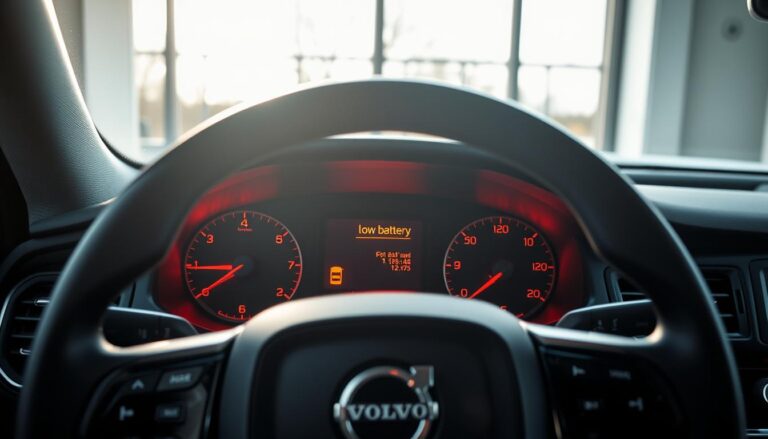
Turn the ignition fully off for about one minute to let modules reset, then try a restart. Check the fuel gauge and dashboard indicators before cranking again.
- Prime the fuel system by switching the key to ON briefly to re-establish fuel pump flow.
- Limit cranking runs to 10–15 seconds and allow short cool-down periods between attempts.
- If you smell fuel, see smoke, or hear odd air or pump noises, stop attempts and exit the vehicle if it is safe.
When to call roadside assistance or a Volvo service center
Call for help if the engine will not restart, if it restarts and dies repeatedly, or if the check engine light is illuminated with drivability issues. Also request assistance when you detect smoke, a strong fuel odor, or unusual noises near the tank or pump.
| Situation | Immediate Action | When to Call Help |
|---|---|---|
| Car stalled on shoulder | Hazards on, transmission Park/Neutral, brief restart attempt | Persistent no-start or unsafe location |
| Fuel gauge low | Prime fuel by key ON, check recent refuel history | Engine dies again after restart |
| Smoke or fuel smell | Exit vehicle if safe, keep others away | Call roadside assistance or tow immediately |
When contacting a dispatcher, give concise details: whether the engine died suddenly or sputtered, any recent refueling, and if dash accessories lost power. For related diagnostic guidance, see volvo v70 starts then dies.
What can cause my Volvo to stall unexpectedly?
When an engine quits, listening and quick checks often reveal which subsystem failed.
Fuel system problems are common. Low fuel, a clogged fuel filter, weak fuel pump, or bad injectors can starve the engine. Listen for pump priming at key ON and watch for hesitation under load.
Ignition faults like worn spark plugs, weak ignition coils, or a failing ignition switch cut spark and cause misfires. These issues often show as rough idle or sudden shutdowns without warning.
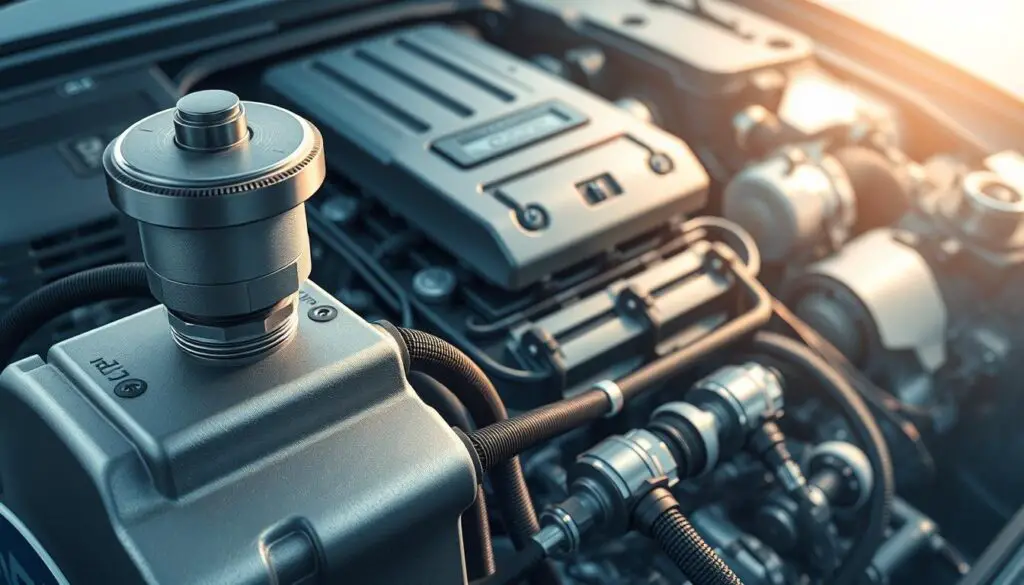
Electrical and sensor trouble also leads to stalling. A dying battery, alternator dips, or loose grounds drop voltage to control modules. Faulty MAF, oxygen, throttle position, or crank position sensor readings can upset fuel trims and idle control.
Overheating and mechanical failures are other risks. Low coolant, a failing water pump, or a slipped timing belt/chain may force shutdowns. Newer hybrid models, especially the Volvo EX90, add high-voltage and drive-system safety needs—avoid touching orange cables.
Quick checks vs. pro diagnostics: confirm fuel level, listen for pump prime, inspect plugs, and scan codes. For ignition switch troubleshooting and related tests, see ignition switch problems. Persistent or recurring stalling needs professional diagnostics with pressure gauges and OEM scans.
How to fix and prevent Volvo stalling issues
Routine checks and timely replacements are the easiest way to avoid mid-drive shutdowns.
Stay on schedule: follow the manufacturer’s maintenance plan for spark plugs, air and fuel filter changes, and battery or charging system inspections. Replacing worn plugs and coils as a set prevents uneven spark and reduces engine roughness.
Professional diagnostics
Scan and test before replacing parts. Use an OEM-level scan tool to read sensor and ECU codes. Log live data for position sensors and throttle adaptation. Perform fuel pressure and volume tests to confirm fuel pump and injector flow before changing components.
Driving and safety habits
- Keep the tank above one-quarter to help fuel pump cooling and steady delivery in hot weather.
- Use high-quality fuel and periodic cleaners to limit deposits that harm injector spray and engine response.
- Monitor warning lights and address small issues early to avoid bigger engine or system failures.
| Action | Why it matters | When to contact service |
|---|---|---|
| Scheduled maintenance | Prevents filter, plug, and coil wear that lead to stalls | Recurring misfires or multiple fault codes |
| Diagnostic scan & pressure test | Confirms sensor and fuel delivery health before parts changes | Intermittent shutdowns or low fuel pressure |
| Hybrid high-voltage care | Specialty tools and safety for models like the volvo ex90 | Any orange-cable work or battery warnings |
| Service options | Choose quality parts; ask about loaner vehicles and centerfinance | Long repairs or warranty-covered issues |
Conclusion
Conclusion: Summarize a compact action plan for safety, quick checks, and informed service decisions.
If a volvo car stalled, put safety first: hazard lights on, move clear, and attempt a brief key-off reset before extra cranking. Use simple checks—fuel level, pump sound, and dash indicators—when it is safe to do so.
Stalling often links back to fuel delivery, ignition faults, electrical drops, sensor or ECU errors, overheating, or other mechanical system failures. Regular maintenance, quality fuel, and timely parts replacement cut risk and extend engine life.
When in doubt, seek professional service. Consider loaner options, centerfinance plans, or special offersvolvo while work is done. For hybrid models, rely on trained hybridshop technicians for high-voltage work.
A clear, stepwise approach—safety, quick checks, then precise diagnostics—keeps cars moving and lowers the chance of repeat problems.
FAQ
Discover What can cause my Volvo to stall unexpectedly?
Sudden engine shutdowns often stem from fuel delivery failures, ignition faults, electrical problems, sensor or ECU errors, overheating, or internal mechanical issues. Hybrid and modern models such as the EX90 may add high-voltage drive or software-related factors. Perform a quick visual check of fuel level, warning lights, and coolant, then seek diagnostic scanning if the problem persists.
Immediate steps when your Volvo stalls on the road — Pull over safely and use hazard lights to protect you and your vehicle
Move to a safe shoulder or parking area, apply hazard lights, and set the parking brake. Exit only if it’s safe and visible; use roadside triangles if available. Keep passengers away from traffic while you assess the scene and prepare for a restart or tow.
Immediate steps when your Volvo stalls on the road — Smart restart basics: park or neutral, brief key-off reset, fuel and indicator checks
Shift to Park (or Neutral for manuals), turn the key or button off for 10–30 seconds, then attempt a restart. Check fuel gauge, dashboard lights, and listen for fuel pump prime. If the engine cranks but won’t run, avoid repeated attempts and call for professional help.
Immediate steps when your Volvo stalls on the road — When to call roadside assistance or a Volvo service center
Call for help if the vehicle won’t restart, if warning lights indicate major faults, or when you detect smoke, strong odors, or overheating. Use a Volvo dealer or certified technician for complex hybrid or high-voltage problems and warranty-sensitive repairs.
Fuel system problems: low fuel, clogged fuel filter, weak fuel pump, or faulty injectors
Running low on fuel can cause sputtering and shutdowns. Clogged filters, failing pumps, or dirty injectors reduce pressure and flow. Have fuel pressure tested, replace filters on schedule, and use quality gasoline to reduce deposits.
Ignition system issues: worn spark plugs, failing ignition coils, or a bad ignition switch
Worn plugs or weak coils cause misfires and loss of power that may end in a stall. A faulty ignition switch interrupts power intermittently. Regular spark plug and coil inspections prevent breakdowns.
Electrical faults: dying battery, failing alternator, or loose wiring connections
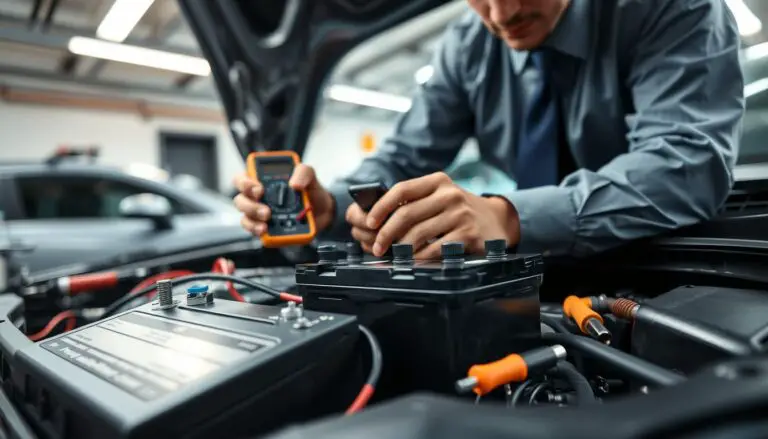
A weak battery or a bad alternator can let voltage drop and shut down engine management systems. Corroded or loose wiring and poor ground connections create intermittent failures. Test charging and inspect battery terminals when issues appear.
Sensor and ECU troubles: MAF, oxygen, and throttle position sensors, crankshaft position sensor, and engine control unit
Faulty sensors send incorrect data to the engine control unit, causing poor fuel/air management and shutdowns. The crankshaft or cam position sensors are critical for ignition timing; failures often prevent restarting. Use an OBD-II scan to read fault codes.
Engine overheating: low coolant, water pump or radiator issues leading to shutdown
Overheat can trigger automatic limp modes or cause the engine to cut out. Check coolant level, radiator condition, and for leaks. Address thermostat and water pump failures promptly to avoid severe damage.
Mechanical concerns: timing belt/chain or internal engine problems that can cause a stall
A slipped or broken timing belt/chain disrupts valve timing and can stall or destroy the engine. Internal failures like severe compression loss also cause sudden stops. Follow the manufacturer’s replacement intervals and inspect for unusual noises.
Hybrid and newer Volvo models (including EX90): special considerations for high-voltage and drive systems
Hybrid systems add electric motor controllers, battery management, and high-voltage components. Some faults disable propulsion or force shutdowns for safety. Always use trained technicians for high-voltage diagnostics and repairs.
Quick DIY checks vs. when to use professional diagnostics and code readers
Quick checks include fuel level, battery terminals, obvious leaks, and warning lights. Use an OBD-II scanner to capture codes. If codes appear, if the vehicle won’t start, or if high-voltage systems are involved, schedule professional diagnostics.
Stay on schedule: fuel, ignition, and electrical maintenance to stop stalls before they start
Follow recommended service intervals for fuel filters, spark plugs, coils, and battery inspections. Replace worn parts proactively and use genuine or high-quality components to reduce the risk of roadside failures.
Professional diagnostics: sensor/ECU scans, fuel delivery testing, and quality fuel practices
Technicians perform ECU scans, fuel pressure tests, and electrical load checks to pinpoint causes. They measure sensor outputs and confirm fuel injector performance. Using top-tier fuel and periodic injector cleaning improves reliability.
Driving and safety habits: keep the tank filled, avoid aggressive acceleration, and monitor warning lights
Maintain at least a quarter tank to prevent sediment pickup and fuel starvation. Avoid aggressive driving that stresses the engine and electrical systems. Address dashboard warnings immediately to avoid escalation.