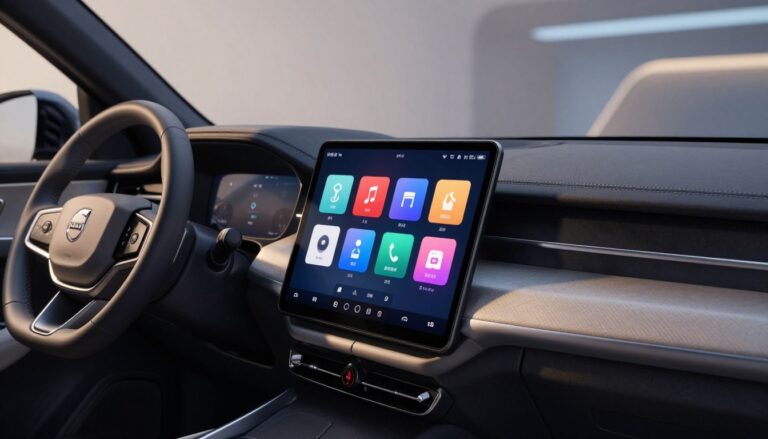

This article guides U.S. luxury SUV shoppers through the visual and functional choices that give certain cars a distinct road identity.
Exterior innovation here means visible systems: lighting signatures, surfacing, proportions, aero efficiency, and safety-driven visibility—not cabin or infotainment details.
We will preview real head-to-head matchups such as the XC90 vs Mercedes-Benz GLE, BMW X5, Lexus RX, and the XC40 vs BMW X1. Each comparison focuses on usability—parking, family needs, towing perception, and highway presence—alongside design intent.
Expect a practical, brand-aware view that links Scandinavian restraint and sustainability to form decisions. Electrification trends—mild hybrid, plug-in, and EV—also shape aerodynamic choices and a cleaner visual language.
The goal is simple: give readers clear markers to decide which exterior character best matches their priorities.
Key Takeaways
- We define exterior innovation in visual and functional terms.
- Comparisons focus on real-world usability for U.S. buyers.
- Scandinavian design and sustainability inform styling choices.
- Electrification pushes cleaner shapes and better aero.
- Head-to-head matchups will show practical differences for families and drivers.
Why Volvo’s Exterior Design Philosophy Stands Out in Today’s Luxury SUV Market
A quiet, purposeful design language can signal trust and long-term value to shoppers.
Scandinavian restraint as a competitive differentiator for drivers and families
Less is more means calm surfaces, disciplined lines, and a premium presence that avoids visual noise. This approach appeals to buyers who want a luxury suv that reads refined without shouting.
The look also suits family life. An understated profile feels sophisticated at a valet and approachable for school drop-off. That balance helps drivers feel confident in everyday use.
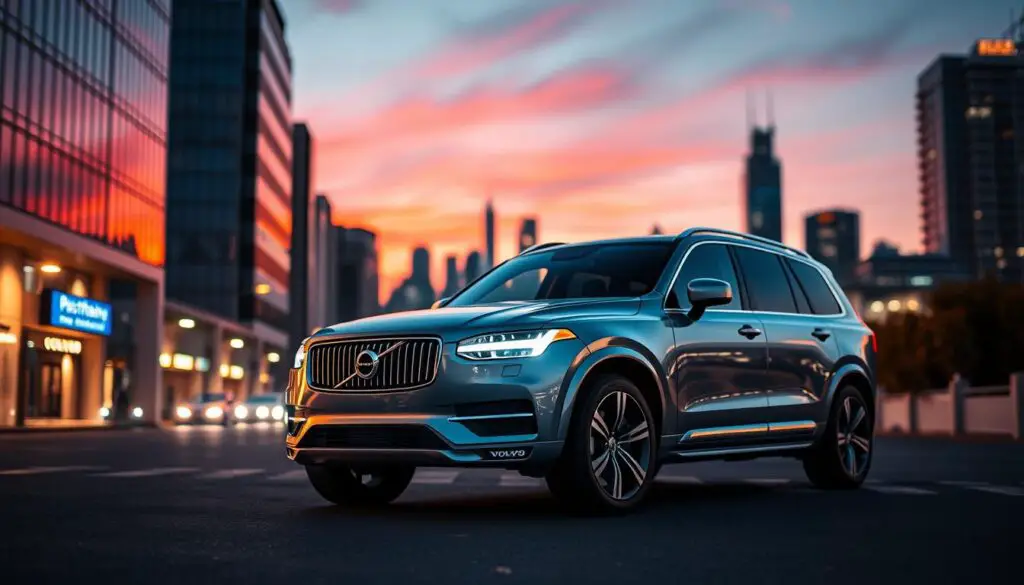
How “understated yet refined” styling contrasts with more aggressive rivals
Restraint stands against sharper creases, oversized intakes, and busy lighting graphics. For many shoppers, this is a clear style choice rather than a compromise.
“Design restraint actually adds to the allure.”
- Consistent design across models builds brand trust and a timeless look.
- Simple forms often hide integrated tech: lighting, sensors, and aero work within clean surfacing.
- Understated design tends to age better and supports perceived long-term value.
Which exterior innovations distinguish Volvo vehicles from competitors?
A focus on visibility and usable proportions turns styling choices into practical benefits for drivers and families.
Signature lighting and clean surfacing that prioritize visibility and a modern look
Distinct lighting signatures give quick recognition at night and in poor weather. The lamps serve a design role and a safety role, improving sightlines for drivers and making the car easier to see for others.
Clean surfacing reduces visual clutter. That simplified skin also hides sensors and tech systems without interrupting the overall look.
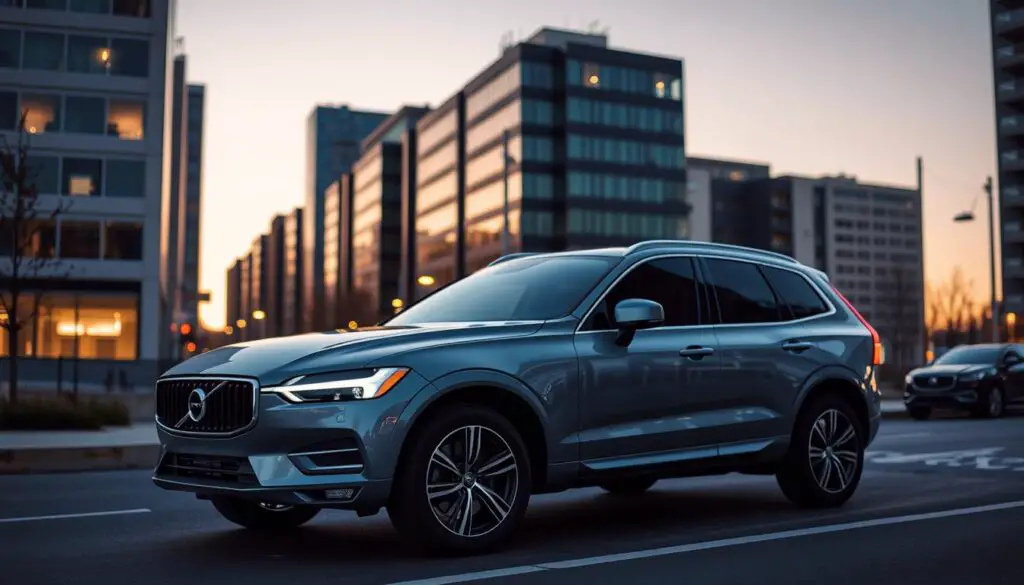
Functional aerodynamics that support efficiency for mild hybrid and plug-in hybrid models
Smooth transitions and controlled airflow are styling choices with measurable benefits. Every model is at least a mild hybrid, so aero-led details help lower drag and boost real-world fuel and electric modes.
On plug-in hybrid and EV models, less ornamentation improves range and supports quieter, more efficient performance.
Purposeful proportions across SUVs for everyday usability and premium presence
Proportions are chosen to balance garage fit, cargo access, and third-row practicality while still projecting a premium stance.
The XC60 acts as a mid-size anchor where this design language scales cleanly across the lineup, keeping features and performance expectations consistent.
Next sections will test these traits against rivals that favor sportier faces and more dramatic surfacing to show how those priorities read on the road.
Head-to-Head: Volvo XC90 vs Mercedes-Benz GLE Exterior Character and Road Presence
Where one SUV aims for calm refinement, the other telegraphs athletic intent before the engine starts. This comparison focuses on how visual choices shape buyer perception when mechanical specs are similar.
Understated refinement vs aggressive styling cues
The volvo xc90 reads as modern luxury with long, composed surfacing and restrained lighting. That calm look suggests efficiency and long-term appeal.
The GLE favors bold grille treatments, sharper angles, and a taller stance that signals sporty performance and presence.
Design choices that align with sustainability-forward positioning
Both offer a 2.0L turbo I4 engine and similar horsepower (247 vs 255), so exterior character often decides buyers.
Key contrasts:
- Size: XC90 at 198.1″ lends an elongated silhouette; GLE at 193.3″ feels more compact but taller.
- Towing: XC90 rates 5,000 lbs vs GLE 3,500 lbs — a subtle cue of capability and seriousness.
- Aero and surfacing: cleaner shapes on the XC90 support hybrid efficiency and quieter driving.
| Model | MSRP | Horsepower | Length |
|---|---|---|---|
| XC90 | $59,745 | 247 | 198.1″ |
| GLE | $54,950 | 255 | 193.3″ |
Takeaway: When powertrains align, look at lighting, grille treatment, and stance to decide which visual language matches your priorities: quiet, efficiency-led luxury or bolder, performance-forward flair.
Head-to-Head: Volvo XC90 vs BMW X5 How Exterior Proportions Reflect Different Priorities
A vehicle’s proportions often preview its intended use before anyone opens the door.
Family-first packaging signals show up as a longer roofline, upright greenhouse, and a practical rear profile. The volvo xc90 stretches to 198.1 inches to help fit three rows and generous cargo space. That length cues usable interior room for passengers and a clear focus on family needs.
Family-first packaging signals in a three-row luxury SUV
Practical design means softer surfacing and higher rear hips to simplify loading. The XC90’s silhouette reads as usable and calm, matching its interior emphasis on passengers and storage.
Sport-forward stance and performance-first visual language
The BMW X5 trims length to 194.3 inches and tightens proportions. That shorter form plus a 3.0L turbo engine and 335 horsepower visually promises sharper performance and agile driving. Towing parity (5,000 lbs) shows capability is equal, but styling sends different signals about priorities.
| Model | MSRP | Engine | Horsepower | Length |
|---|---|---|---|---|
| volvo xc90 | $59,745 | 2.0L turbo I4 | 247 | 198.1″ |
| BMW X5 | $60,400 | 3.0L turbo I6 | 335 | 194.3″ |
Takeaway: For buyers who value passengers, space, and cargo space, the volvo xc90’s exterior honesty signals family-ready utility. Shoppers chasing performance and sharper road manners will likely prefer the X5’s athletic look and higher horsepower when making a comparison during test driving.
Head-to-Head: Volvo XC90 vs Lexus RX Exterior Practicality and Premium Appeal
This comparison frames two premium SUVs that aim for refined presence but answer different daily needs.
Practical premium fits both models, yet size and stance push buyers toward different priorities.
Size, stance, and everyday versatility expectations in the U.S. luxury SUV segment
Footprint matters: the XC90 stretches 198.1″ while the RX measures 195.9″. That small gap affects curb appeal and third-row viability.
XC90 seats up to seven and offers higher towing at 5,000 lbs. The RX seats five and rates 3,500 lbs. These traits signal how each model is meant to be used.
Both deliver similar mpg in base trims, so buyers often decide by style, capability, and usable space rather than fuel numbers.
“If you need occasional third-row room or stronger towing, the XC90’s form is the clearer choice.”
| Model | MSRP | Horsepower | Length | Seating |
|---|---|---|---|---|
| XC90 | $59,745 | 247 | 198.1″ | Up to 7 |
| RX | $51,025 | 275 | 195.9″ | 5 |
Tip: at a dealer, note ride height impression, rear overhang practicality, and whether clean surfacing or sculpted detail better matches your lifestyle. If you like the XC90 look but want a smaller option, consider the volvo xc60 as a familiar alternative.
Compact Luxury Comparison: Volvo XC40 vs BMW X1 Exterior Dimensions, Maneuverability, and Utility
In tight urban garages, a few inches can change daily usability for a compact luxury crossover. Buyers who park in city lots or narrow driveways often prefer a shorter overall length that improves confidence and reduces fender benders.
Shorter length for easier parking and city driving
The XC40’s shorter footprint makes U-turns, angled parking, and tight garages easier to manage than a longer rival. That real-world advantage helps commuting drivers and families run errands with less stress.
Designing for versatility: cargo use cases and weekend-ready capability
Don’t assume small means impractical. The XC40 and BMW X1 both seat five passengers and, with rear seats folded, offer nearly identical max cargo with no major loss of usable space for weekend gear.
How towing availability (up to 3,500 lbs when equipped) changes buyer perception
Towing up to 3,500 lbs reframes the compact as a capable vehicle for trailers or small boats. When paired with a stronger base horsepower rating, the package reads as compact but purposeful rather than just a city runabout.
- Pack-and-go usability: liftgate access and rear opening matter more than length alone.
- Mapped to typical U.S. ownership: commuting, kid drop-offs, and weekend trips.
- Consider the volvo xc60 as a related option if you want slightly more presence while keeping the same design language.
Exterior Design That Supports Safety: Volvo’s Brand DNA in Real-World Driving
Practical design choices—lighting, geometry, and clear sightlines—directly support safer driving.
Legacy and timeline of safety leadership
Safety has been core since 1959: the three-point belt. Later milestones include the rearward-facing child seat (1972), Side Impact Protection (1991), Whiplash Protection (1998), Inflatable Curtain (1998), Roll Stability Control (2002), Pedestrian Detection with Full Auto Brake (2010), and Run-off Road Protection (2014).
Confidence signals that matter at the curb
Strong safety ratings reinforce buyer trust. For 2025, multiple models earned NHTSA five-star performance, including XC40 B5, XC60 B5 and T8, XC90 B5/B6/T8, S60 B5, and V60 Cross Country B5. That breadth makes the exterior read as reassuring rather than aggressive.
How advanced systems shape the skin
Modern collision avoidance and pilot assist rely on clean surfacing and precise sensor placement. Cameras and radar need unobstructed fields of view. So lighting clarity, predictable geometry, and compact sensor hubs are styling choices that back up safety systems.
| Item | Year | Impact |
|---|---|---|
| Three-point belt | 1959 | Saved lives; foundation for safety-first engineering |
| Inflatable Curtain | 1998 | Protected heads in side impacts and rollovers |
| Pedestrian Detection | 2010 | Reduced collisions with automatic braking |
Electrification Influence: How Hybrid and EV Strategy Shapes Volvo’s Exterior Innovation
When powertrains trade revs for quiet torque, styling priorities shift toward sleek efficiency.
Lineup-wide mild-hybrid availability means subtle aero and cleaner surfacing are standard cues, not optional extras. That approach pushes a consistent visual language across the range and links form to function.
The growth of plug-in hybrid and full EV models such as the volvo ex30 and volvo ex90 accelerates this trend. Designers hide cooling in tight apertures, smooth transitions, and favor low-drag profiles to improve range and reduce wind noise.
Balancing luxury presence with range-minded engineering
The challenge is clear: keep a premium stance while trimming drag. The volvo xc60 shows how electrified cues—subtle grille treatment, flush fittings—can appear on a high-volume model without forcing buyers into a full EV.
| Type | Exterior focus | Real-world benefit |
|---|---|---|
| Mild-hybrid | Minimal aero tweaks, cleaner vents | Improved fuel and smooth start/stop |
| Plug-in hybrid | Subtle aero panels, optimized underbody | Better electric range and quieter running |
| EV (ex30/ex90) | Simplified front, lower drag coefficient | Maximized range and refined cabin quiet |
Takeaway: Electrification shapes both how a car looks and how it feels. Quiet, smooth delivery pairs naturally with calm, efficient styling that still reads like a modern luxury suv.
Conclusion
The closing view shows how calm design, smart aero, and visible safety cues translate into usable benefits.
Key exterior features include signature lighting for visibility, clean surfacing that hides sensors, and proportions that favor passenger space and cargo practicality. The XC90 examples emphasize refinement and a sustainability-forward stance when compared to sportier rivals.
Safety is central: a long safety legacy and broad NHTSA five-star results mean many buyers read the styling as confidence, not flash. Electrification—mild hybrid, plug-in, and EV—keeps the look modern while aiding efficiency.
For a final check, see models in person and review local inventory to feel how design, visibility, and cabin space meet your daily needs. Note that Android Auto availability varies by model year and trim.
FAQ
What exterior features set Volvo apart in the luxury SUV segment?
Volvo models use clean surfacing, distinctive LED lighting signatures, and restrained Scandinavian proportions to create a premium presence. These choices emphasize visibility, safety, and a modern look while keeping lines uncluttered for aerodynamic efficiency—beneficial for both mild-hybrid and plug-in hybrid powertrains.
How does Volvo’s design philosophy benefit families and drivers?
The brand favors functional, family-first packaging: wide doors, predictable sightlines, and usable cargo layouts that make loading passengers and gear easier. Proportions prioritize comfort for five to seven passengers in models like the XC60 and XC90, while maintaining a refined road stance that reads as premium without excess ornamentation.
In what ways do lighting and surfacing improve safety and style?
Signature headlights and taillights improve night visibility and make vehicles recognizable at a distance. Smooth, controlled body panels reduce glare and channel airflow, supporting driver awareness and contributing to collision-avoidance systems by improving sensor placement and sightlines.
How do Volvo SUVs balance aerodynamics with a luxury appearance?
Designers integrate subtle aero elements—optimized grille openings, underbody panels, and tapered rooflines—so vehicles look elegant while lowering drag. This balance helps efficiency and range for plug-in hybrids and battery-electric models like the EX30 and EX90 without compromising premium presence.
What exterior differences matter when comparing the XC90 to the Mercedes-Benz GLE?
The XC90 leans toward understated refinement and sustainability cues, while the GLE often shows bolder, more aggressive detailing. Volvo’s approach highlights practicality and safety-first proportions, whereas Mercedes emphasizes athletic flair and visual drama.
How does the XC90 compare to the BMW X5 in exterior priorities?
The XC90 emphasizes family utility and safe packaging across three rows, offering calm, cohesive lines. The X5 projects a sport-forward stance with pronounced sculpting that signals performance. Buyers choosing between them often weigh passenger comfort against dynamic styling cues.
What distinguishes the XC90 and Lexus RX in day-to-day practicality?
The XC90 prioritizes usable space, easy access for third-row seats, and minimalist detailing for longevity. The RX often emphasizes a bold front-end and stylized surfaces. For U.S. buyers, these differences translate into choices about cargo versatility and suburban driving comfort.
How do XC40 and BMW X1 exterior dimensions affect urban driving?
The XC40’s shorter length and tight turning circle make parking and maneuvering simpler in city environments. The X1 may favor slightly different proportions for cargo flexibility, but both target buyers who need weekend-ready capability and efficient urban utility.
Does towing capability change how buyers view compact Volvo models?
Yes. Available towing ratings—up to 3,500 lbs when properly equipped—add real-world versatility for outdoor lifestyles. Design choices that preserve rear loading height and hitch integration make compact SUVs more appealing to buyers who tow small trailers or gear.
How does exterior design support Volvo’s safety reputation?
Structural geometry, hood height, and windshield angles all contribute to pedestrian protection and driver visibility. These exterior decisions reflect Volvo’s long safety legacy and help maintain strong NHTSA and IIHS performance across the lineup.
What role does electrification play in shaping exterior styling?
The shift to mild-hybrid, plug-in hybrid, and full-electric models influences grille treatment, cooling needs, and aerodynamic details. EV-dedicated models like the EX30 and EX90 adopt cleaner, more aero-led surfaces to maximize range while preserving premium materials and proportions.
How do design constraints tied to efficiency affect premium appearance?
Engineers and stylists balance reduced drag, optimized wheel designs, and sealed underbody panels with tactile paint finishes and precise panel gaps. This ensures vehicles remain luxurious in look and feel while meeting range and fuel-efficiency targets.
Are exterior cues linked to sustainability choices in materials?
Yes. Volvo increasingly uses recycled and responsibly sourced exterior components and trim, and color palettes that age well. These choices reinforce a sustainability-forward brand position without compromising the upscale aesthetic buyers expect.