

In the rapidly evolving world of electric vehicles, the delicate balance between aesthetic appeal and aerodynamic efficiency has become a critical factor in determining success. Volvo, with its Scandinavian design heritage, has emerged as a leader in creating electric vehicles that seamlessly blend striking visual elements with optimized aerodynamics. This careful equilibrium isn’t just about looking good—it directly impacts range, energy consumption, and overall performance of their EVs.
As the automotive industry transitions toward electrification, Volvo’s approach to electric vehicle aerodynamics and design balance offers valuable insights into how manufacturers can create vehicles that are both visually compelling and functionally superior. Let’s explore how Volvo achieves this balance and why it matters for the future of sustainable mobility.
The Critical Role of Aerodynamics in Electric Vehicle Performance
For electric vehicles, aerodynamic efficiency isn’t just a performance consideration—it’s fundamental to their practical viability. Unlike internal combustion vehicles, where fuel capacity is simply a matter of tank size, an EV’s range is directly affected by how efficiently it moves through air. Volvo’s engineers understand that every improvement in aerodynamic drag translates to meaningful gains in driving range and energy efficiency.
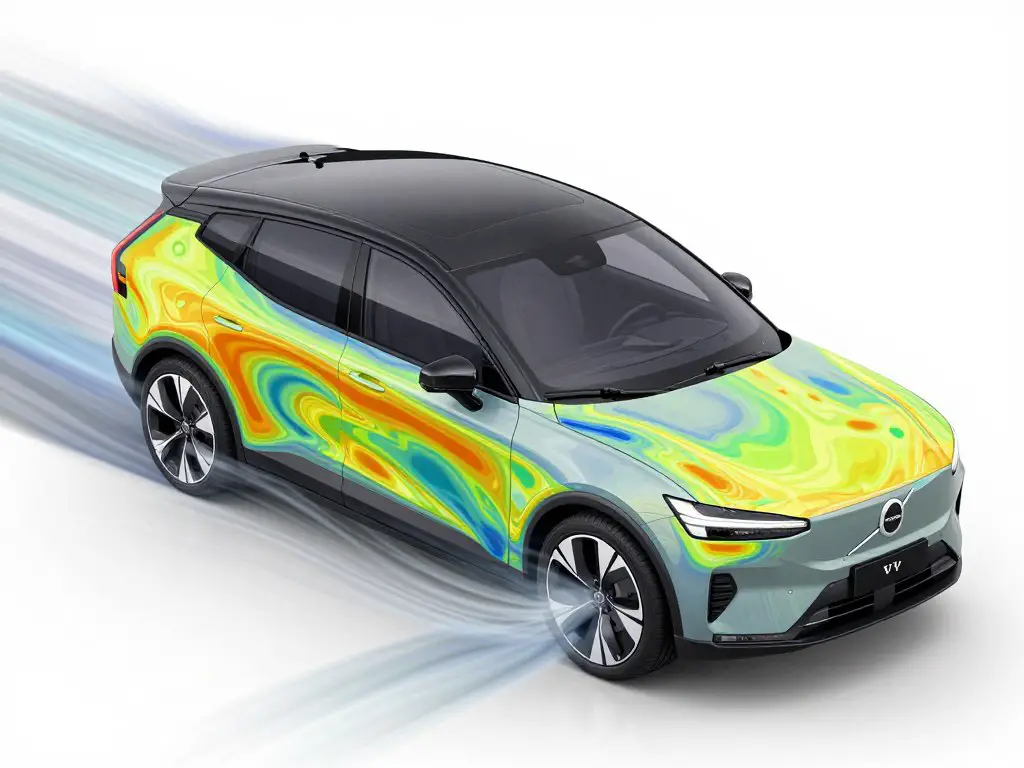
The physics are straightforward: the lower the aerodynamic drag coefficient (Cd), the less energy required to push the vehicle through air. For every 10% reduction in aerodynamic drag, an electric vehicle can gain approximately 5-8% in driving range. This relationship makes aerodynamics a primary consideration in Volvo’s electric vehicle development process, not an afterthought.
Key Aerodynamic Challenges for EVs
- Minimizing frontal area while maintaining interior space
- Reducing turbulence around wheels and underbody
- Managing airflow through cooling systems
- Balancing aerodynamic needs with pedestrian safety requirements
- Maintaining brand identity while optimizing shape
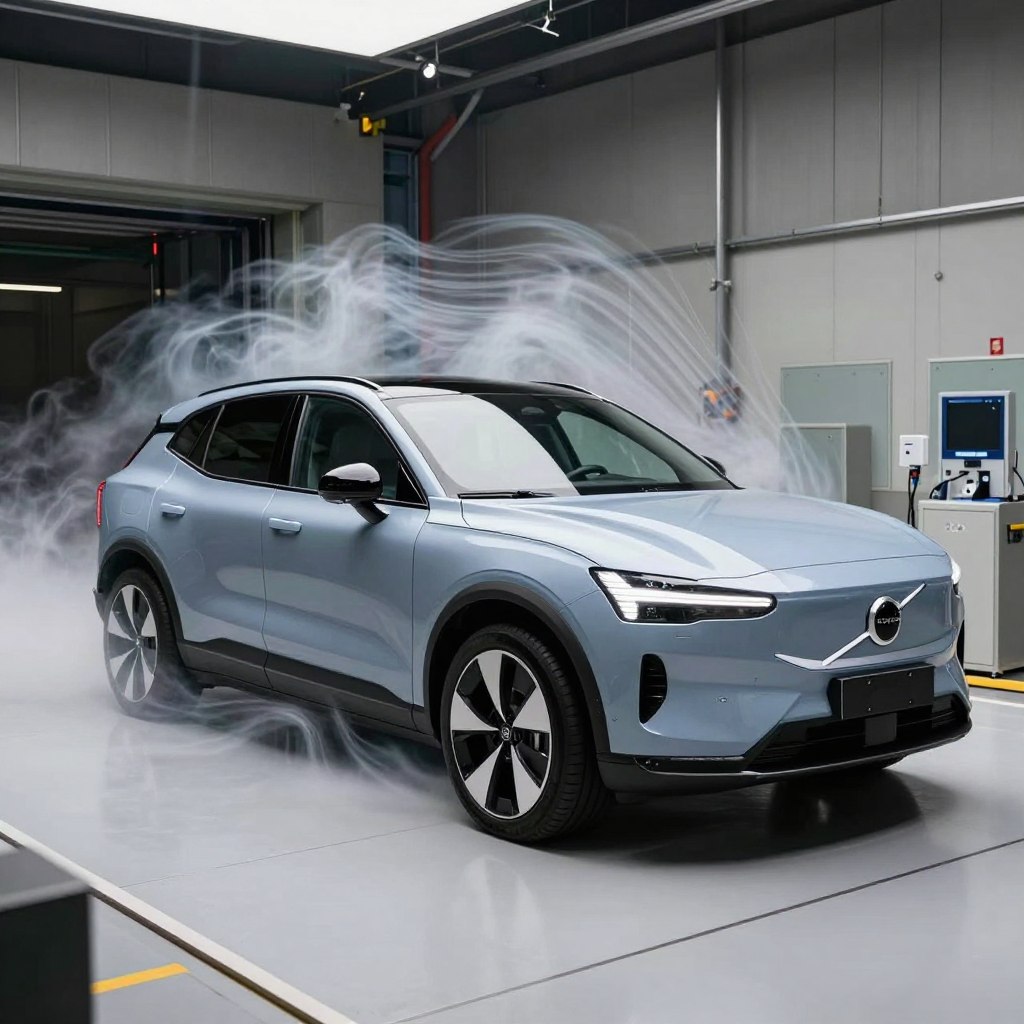
Volvo’s approach to these challenges reflects their “less but better” design philosophy. Rather than adding complex active aerodynamic systems that can fail, they focus on fundamental design elements that passively improve airflow while maintaining the clean, minimalist aesthetic that defines their brand identity.
Volvo’s Design Philosophy: “Less But Better”
At the core of Volvo’s approach to electric vehicle aerodynamics and design balance is their distinctly Scandinavian design ethos. The company embraces a “less but better” philosophy that prioritizes clean lines, purposeful elements, and functional beauty. This approach naturally aligns with aerodynamic principles, as unnecessary design elements often create drag.
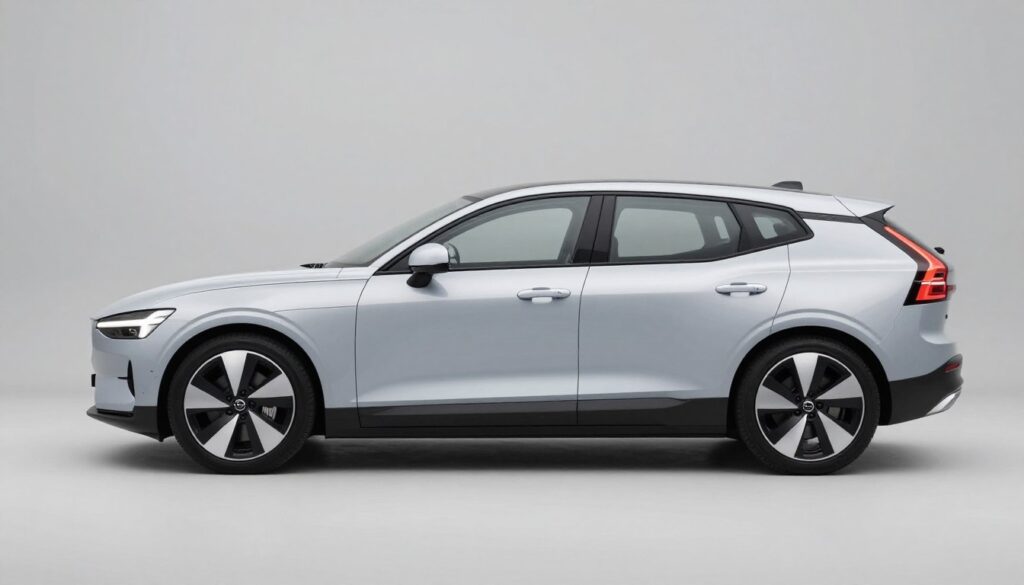
The Volvo Concept Recharge embodies the “less but better” design philosophy
Robin Page, Head of Design at Volvo, explains: “Our Concept Recharge represents a manifesto for the all-electric future of Volvo Cars, as well as a new type of vehicle. It displays new and modern proportions that go hand-in-hand with increased versatility and shows what technology can enable in terms of design.”
“Inside the Concept Recharge, we create a truly Scandinavian living room feeling. The interior integrates our latest user experience technology with beautiful, sustainable and natural materials. Each part of the interior is like a piece of art and could stand alone as individual furniture in a room.”
This philosophy manifests in several key design decisions that simultaneously enhance aesthetics and aerodynamics:
Simplified Exterior Surfaces
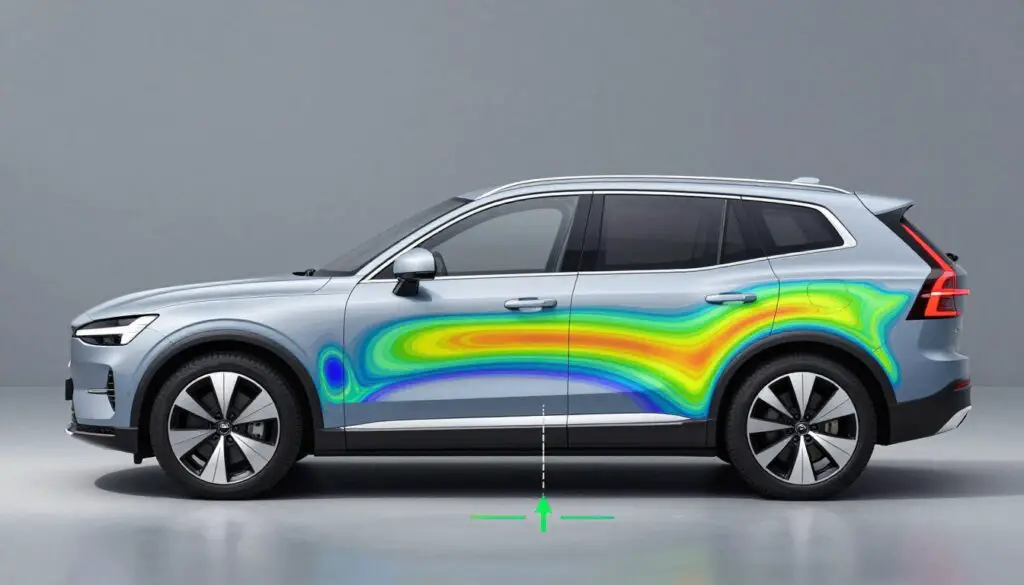
Volvo’s electric vehicles feature smooth, uninterrupted surfaces that allow air to flow naturally around the vehicle. By eliminating unnecessary character lines and decorative elements, they reduce areas where airflow can become turbulent.
Reimagined Front Design
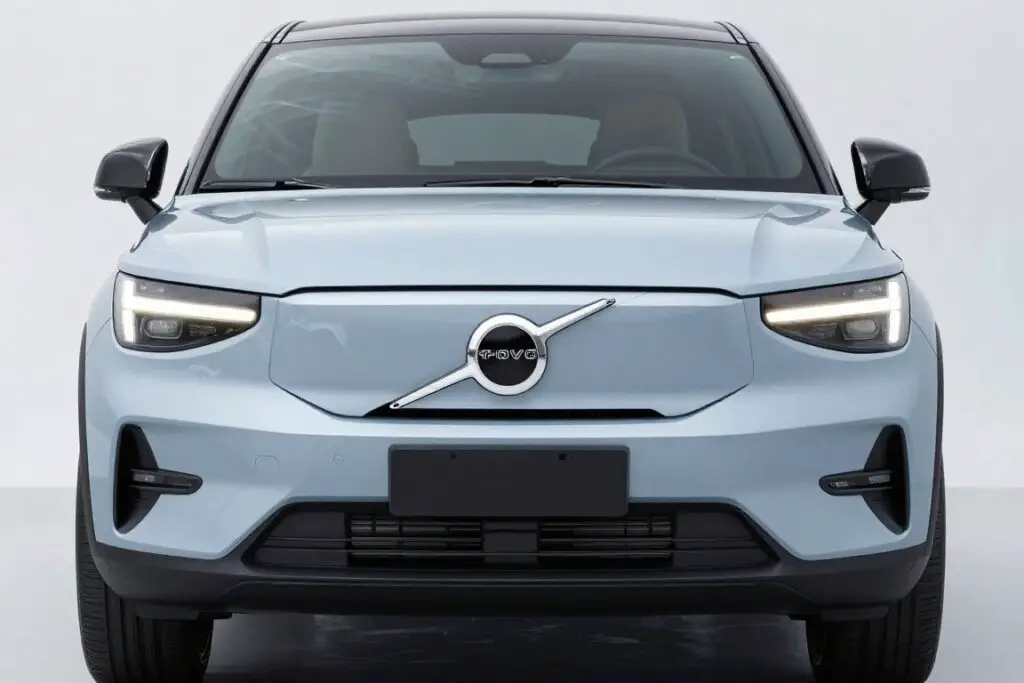
With no need for a traditional grille to cool an internal combustion engine, Volvo has replaced this element with a shield-like structure. This change isn’t merely cosmetic—it fundamentally improves airflow around the front of the vehicle while establishing a new visual identity for Volvo’s electric lineup.
Optimized Proportions
Volvo’s dedicated electric vehicle platforms allow for extended wheelbases, shorter overhangs, and more balanced proportions. These changes not only create more interior space but also improve aerodynamic efficiency by optimizing the vehicle’s overall shape and reducing areas of turbulence.
Technical Innovations: Where Design Meets Aerodynamics
Volvo’s approach to electric vehicle aerodynamics and design balance isn’t just about creating visually appealing vehicles—it’s about integrating specific technical innovations that enhance performance while maintaining aesthetic integrity. These innovations represent the perfect marriage of form and function.
Active Rear Spoilers
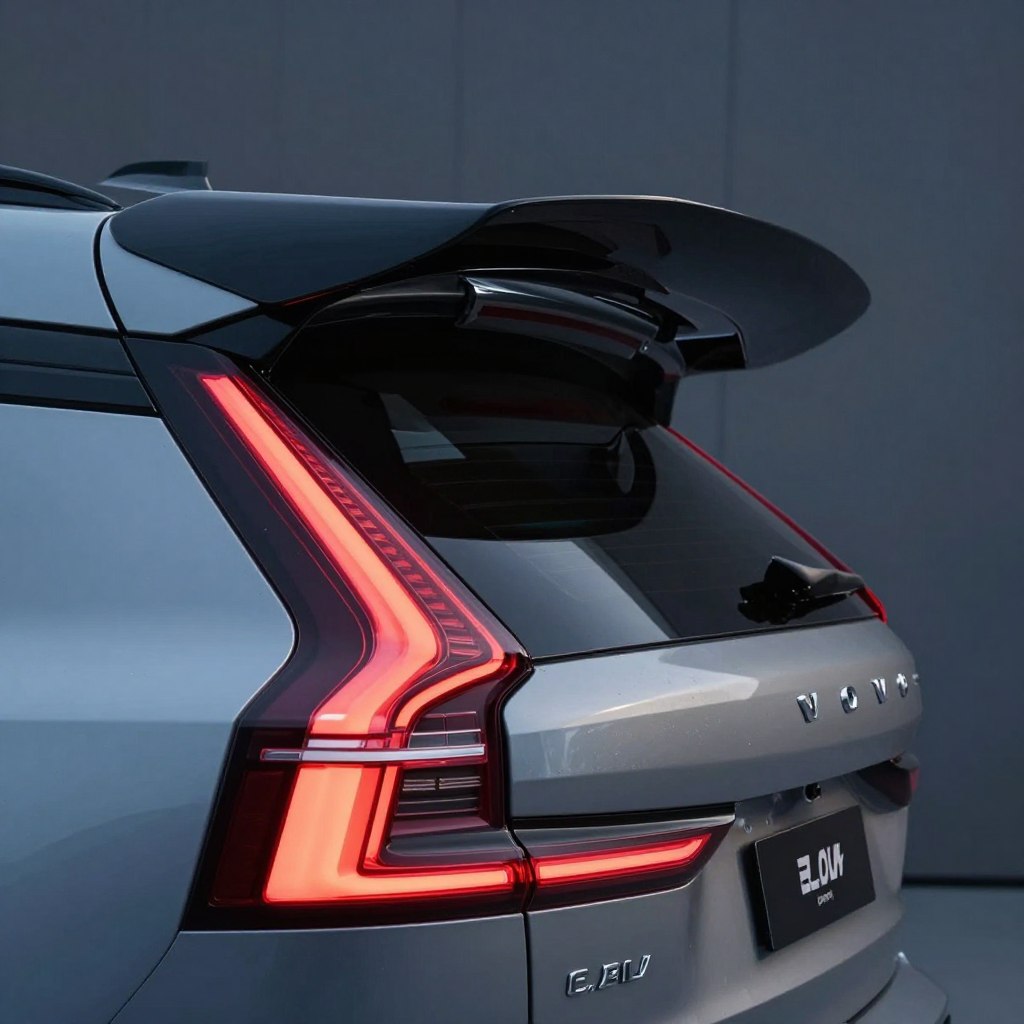
Volvo’s electric vehicles feature signature vertical rear lamps that have been reimagined with a set of wings that extend at higher cruising speeds. These elements automatically deploy to improve overall aerodynamics when needed, then retract to maintain clean lines when not required.
Optimized Wheel Design
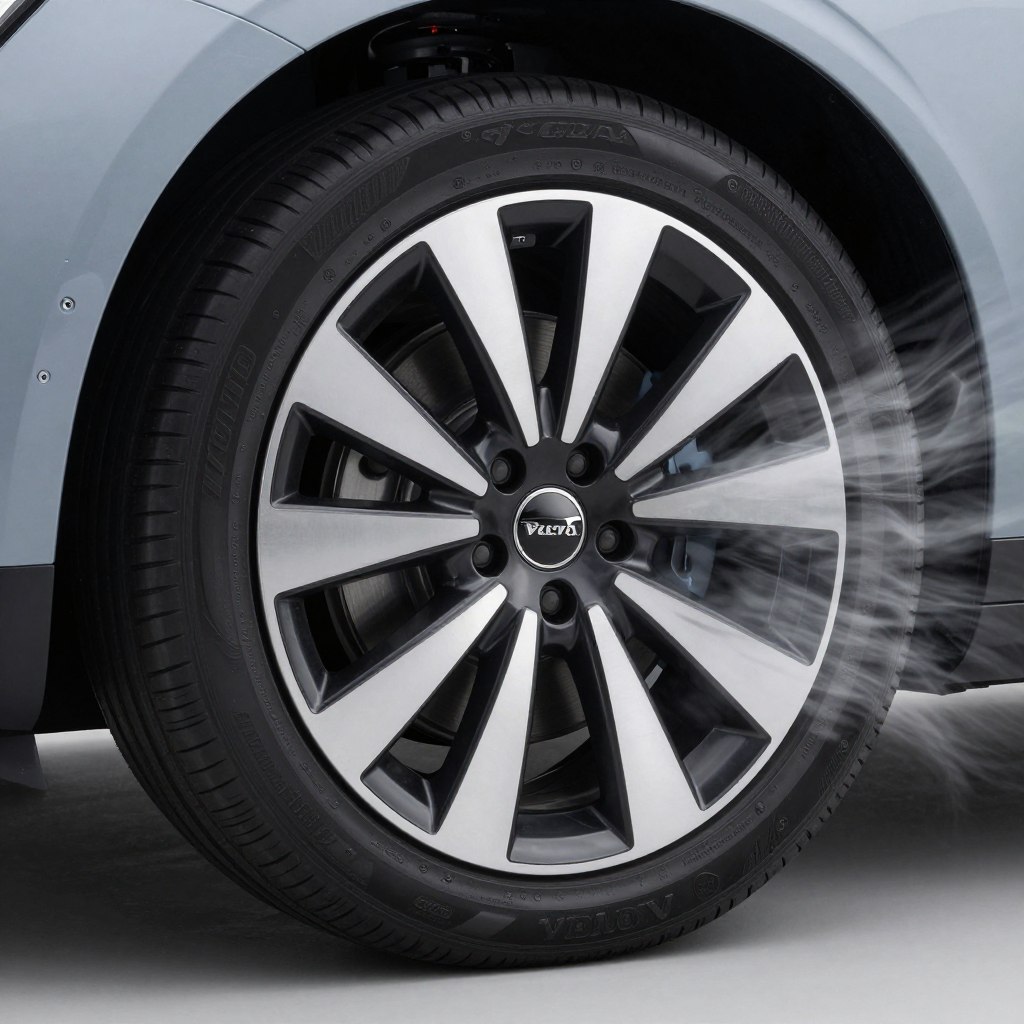
Wheels account for approximately 25% of a vehicle’s aerodynamic drag. Volvo’s electric vehicles feature specially designed wheels that minimize turbulence while maintaining visual appeal. These designs channel air more efficiently around the wheel wells and along the vehicle’s sides.
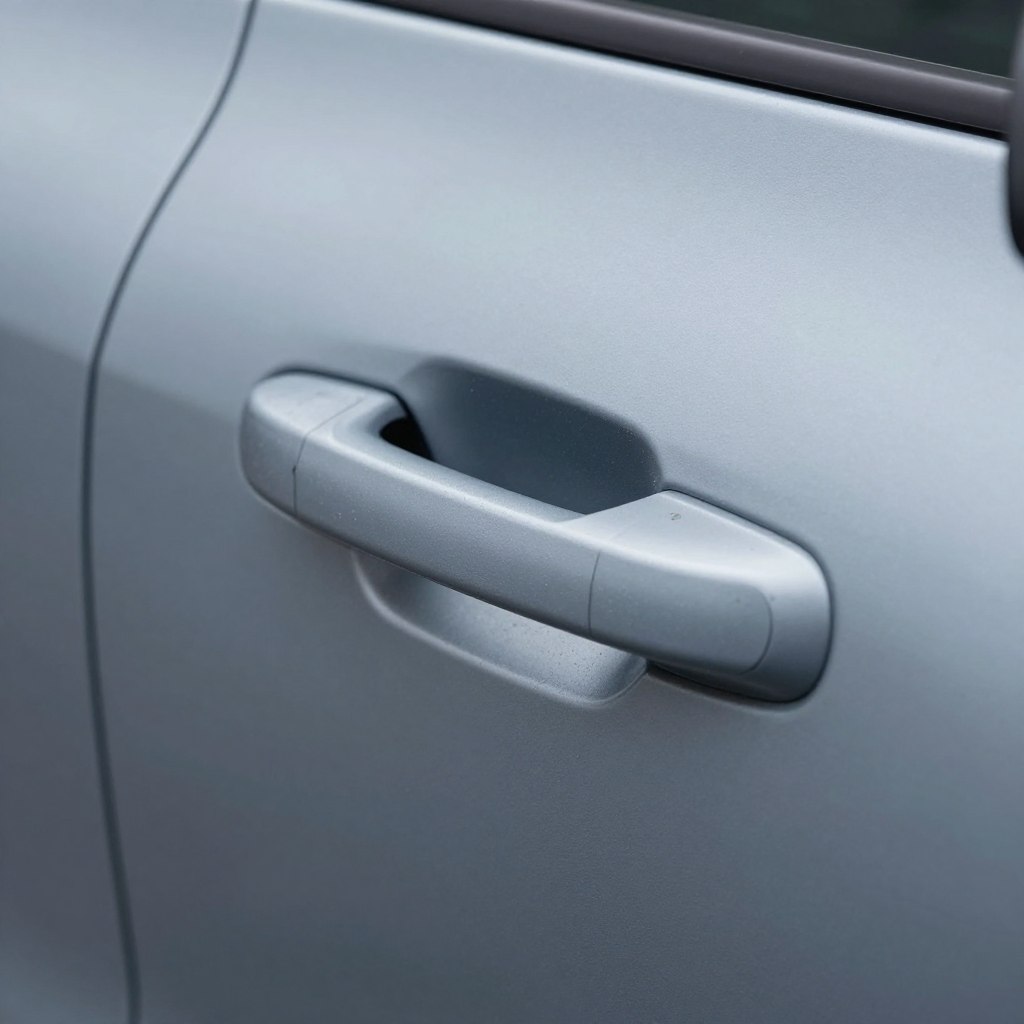
Flush Door Handles
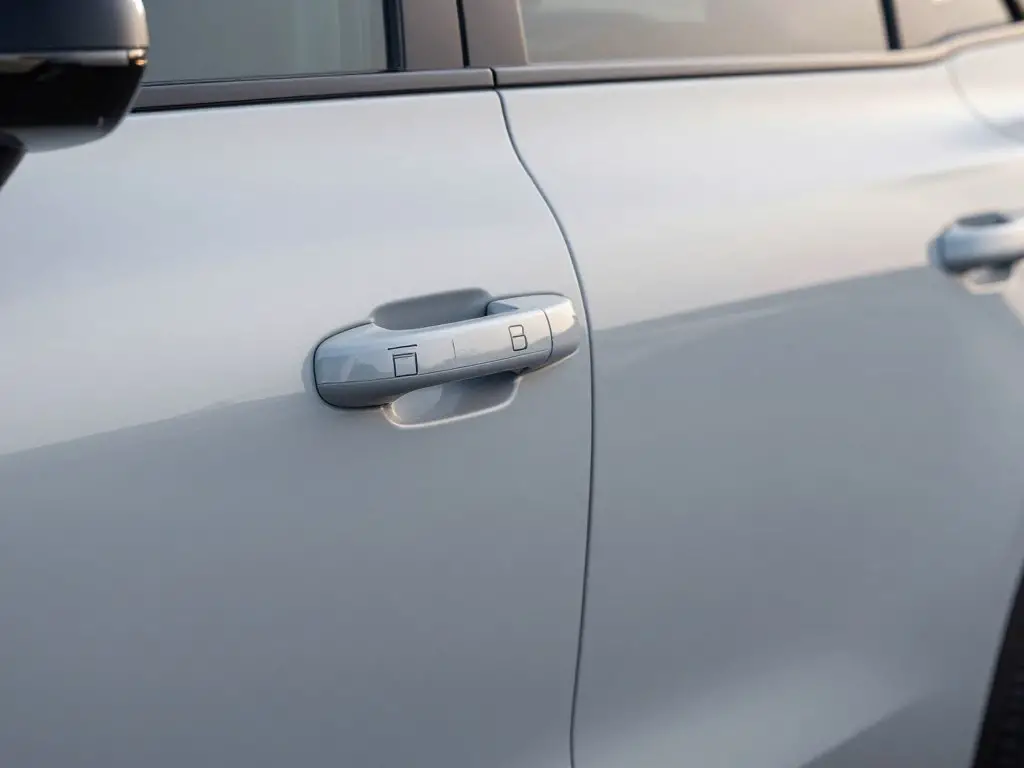
Small details make a big difference in aerodynamic performance. Volvo’s electric vehicles utilize flush door handles that sit within the door surface when not in use. This seemingly minor design element significantly reduces drag by eliminating protrusions that disturb airflow along the vehicle’s sides.
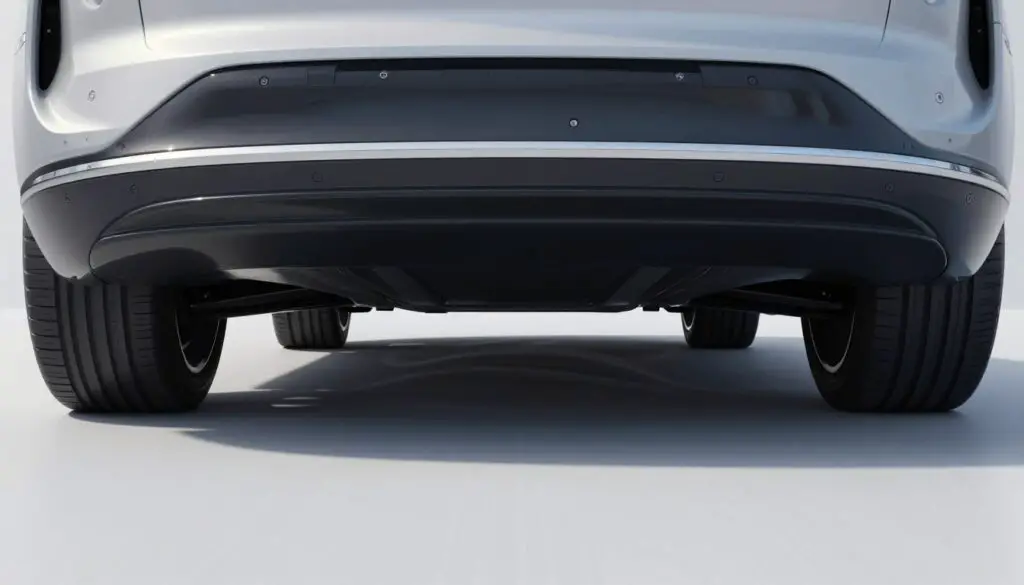
Flat Underbody Design
One of the most significant yet least visible aerodynamic innovations in Volvo’s electric vehicles is the completely flat underbody. By removing the complexity of exhaust systems and traditional drivetrains, Volvo engineers have created a smooth surface that allows air to flow unimpeded beneath the vehicle, dramatically reducing drag.
Volvo’s Electric Models: Aerodynamics in Action
Volvo’s commitment to balancing design with aerodynamics is evident across their growing electric vehicle lineup. Each model demonstrates how the company’s philosophy and technical innovations translate into real-world vehicles that are both visually striking and aerodynamically efficient.
Volvo EX90: The Flagship Electric SUV
The Volvo EX90 represents the pinnacle of Volvo’s electric vehicle aerodynamics and design balance. Despite its substantial size as a seven-seat SUV, the EX90 achieves remarkable aerodynamic efficiency with a drag coefficient of approximately 0.29—a figure that would be impressive for a sedan, let alone a large SUV.
This efficiency is achieved through careful attention to detail, including:
- Optimized front fascia with minimal openings
- Streamlined A-pillars and roof profile
- Active aerodynamic elements that adjust based on speed
- Specially designed wheels that minimize turbulence
- Completely sealed underbody for smooth airflow
Volvo C40 Recharge: Coupe-Inspired Aerodynamics
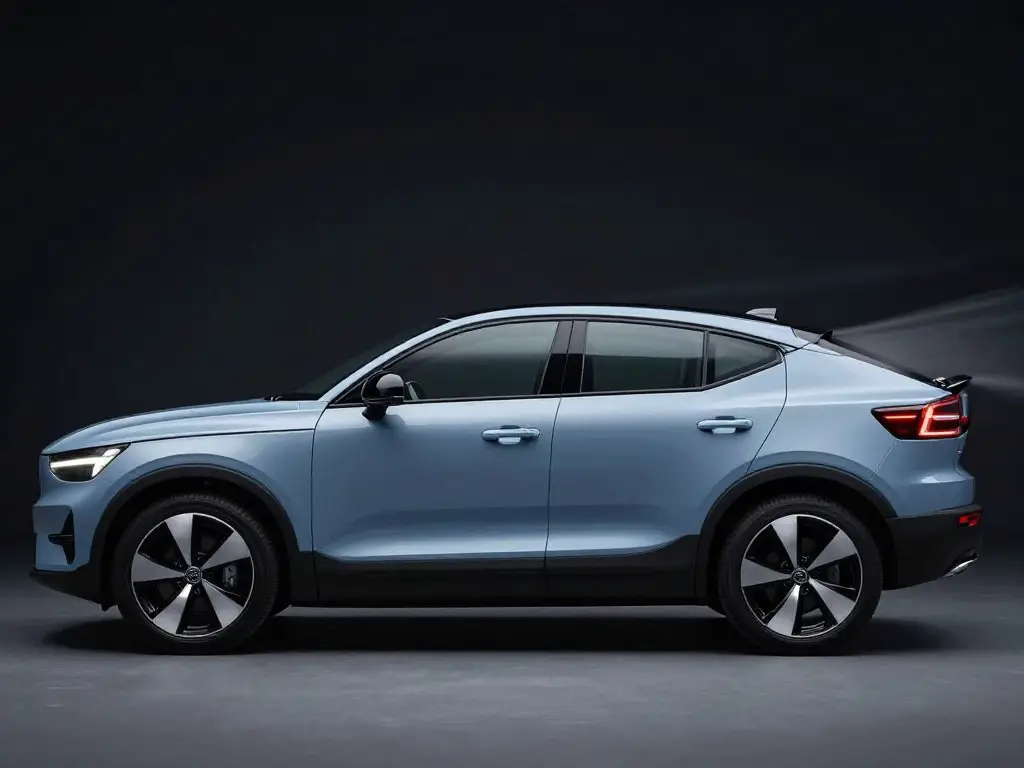
The C40 Recharge takes a different approach to the electric vehicle aerodynamics and design balance challenge. Its coupe-inspired roofline not only creates a distinctive visual identity but also significantly improves aerodynamic performance by reducing the vehicle’s frontal area and allowing air to flow more smoothly over the body.
Key aerodynamic features include:
- Dramatically sloping roofline that reduces drag
- Integrated rear spoiler that manages airflow separation
- Closed-off front grille with minimal cooling openings
- Aerodynamically optimized wheel designs
- Carefully shaped side mirrors that minimize turbulence
Volvo Concept Recharge: The Future Vision
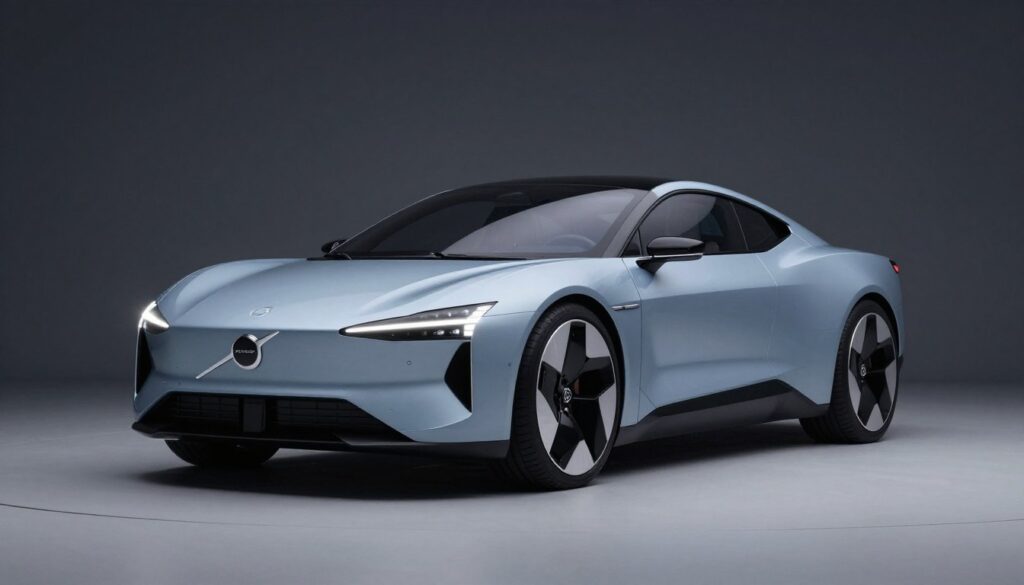
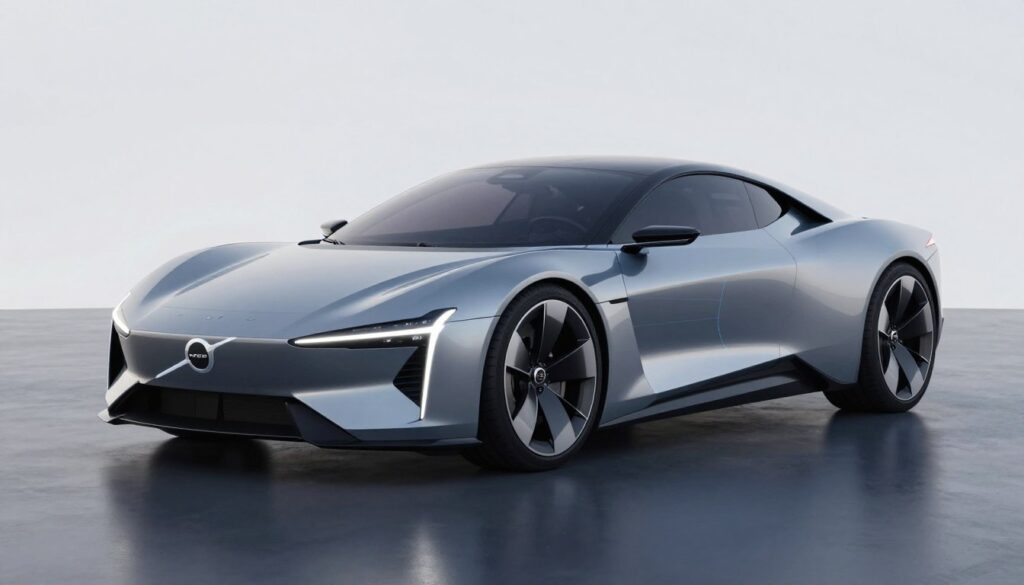
While not a production model, the Volvo Concept Recharge provides the clearest vision of how Volvo approaches electric vehicle aerodynamics and design balance. This concept vehicle serves as a design manifesto for the company’s electric future, showcasing how dedicated EV platforms enable new proportions and aerodynamic opportunities.
The Concept Recharge features a completely flat floor, extended wheelbase, and shorter overhangs—all made possible by removing the complexity of internal combustion engines. These fundamental architectural changes allow for both improved interior space and better aerodynamic performance, demonstrating how Volvo’s future EVs will continue to balance form and function.
The Real-World Impact: Performance, Range, and Efficiency
Volvo’s careful balance of design and aerodynamics isn’t just about theoretical advantages—it translates to meaningful real-world benefits for drivers. The company’s holistic approach to electric vehicle development ensures that their EVs deliver on the promises of electrification while maintaining the brand’s core values of safety, quality, and environmental responsibility.
Extended Range
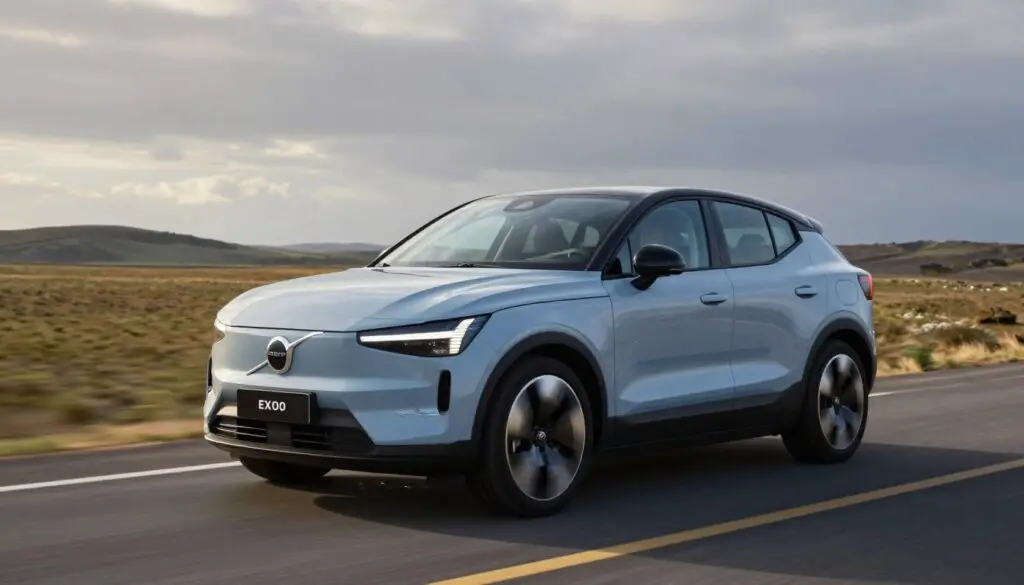
The most immediate benefit of Volvo’s approach to electric vehicle aerodynamics and design balance is extended driving range. By reducing aerodynamic drag, Volvo’s electric vehicles can travel farther on a single charge—a critical factor for consumer adoption of EVs. The company’s attention to aerodynamic detail helps their vehicles achieve up to 8% more range compared to what would be possible with less optimized designs.
Improved Efficiency
Beyond just range, aerodynamic efficiency improves overall energy consumption. This means Volvo’s electric vehicles require less electricity to travel the same distance, reducing charging costs and environmental impact. The company’s holistic approach ensures that their EVs maintain efficiency across a wide range of driving conditions and speeds.
Enhanced High-Speed Stability
Aerodynamic design isn’t just about efficiency—it also affects how a vehicle handles, particularly at highway speeds. Volvo’s balanced approach ensures their electric vehicles remain stable and composed at high speeds, with reduced wind noise and improved directional stability. This contributes to the premium driving experience expected from the brand.
Reduced Environmental Impact
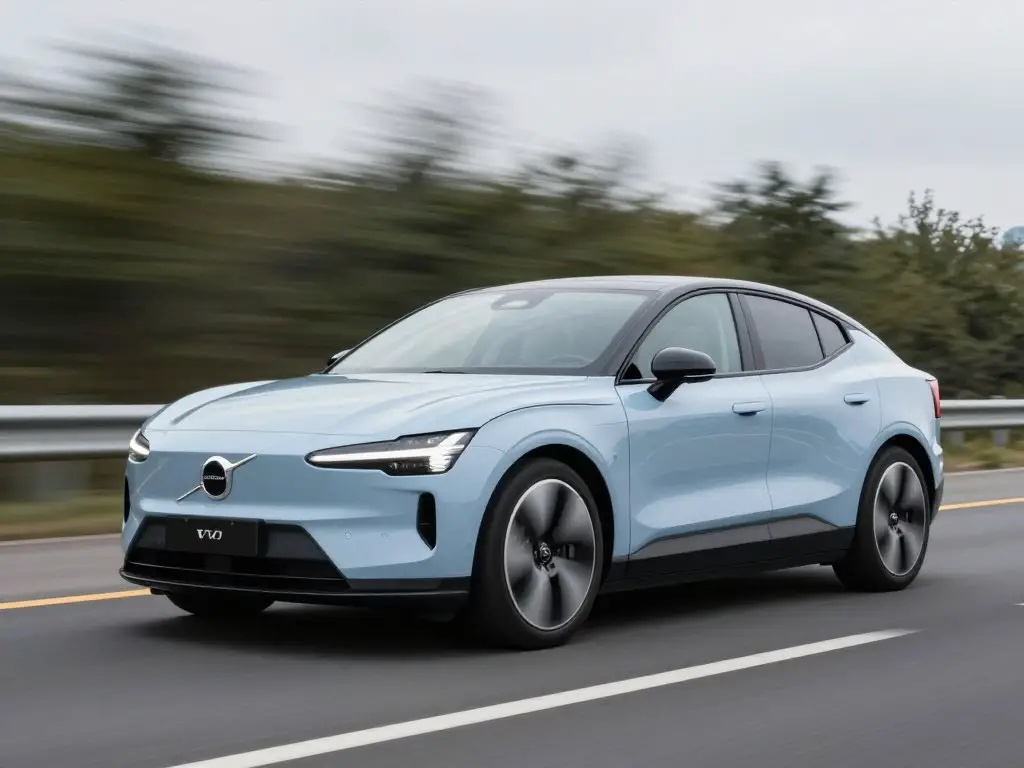
The efficiency gains from Volvo’s aerodynamic design directly translate to environmental benefits. By requiring less energy to operate, their electric vehicles reduce the upstream emissions associated with electricity generation. This aligns with Volvo’s broader commitment to sustainability and climate neutrality across their entire business.
The Future of Volvo’s Aerodynamic Design
As Volvo continues to advance its electric vehicle lineup, the company’s approach to balancing design with aerodynamics will evolve. Future models will likely incorporate even more sophisticated aerodynamic solutions while maintaining the clean, Scandinavian aesthetic that defines the brand.
Volvo continues to push the boundaries of what’s possible in aerodynamic design
Emerging technologies like active aerodynamics, advanced materials, and artificial intelligence-driven design optimization will play increasingly important roles in Volvo’s development process. These innovations will allow for even greater efficiency gains while maintaining the brand’s commitment to distinctive design.
As Volvo works toward its goal of becoming a fully electric car company by 2030, the lessons learned from their current approach to electric vehicle aerodynamics and design balance will inform an entirely new generation of vehicles that push the boundaries of what’s possible in sustainable mobility.
Conclusion: The Art and Science of Balanced Design
Volvo’s approach to electric vehicle aerodynamics and design balance represents a masterful integration of art and science. By embracing their Scandinavian design heritage and combining it with cutting-edge aerodynamic innovations, the company has created electric vehicles that excel in both form and function.
This balance isn’t achieved by chance—it’s the result of a deliberate design philosophy, technical expertise, and a holistic approach to vehicle development. As the automotive industry continues its transition toward electrification, Volvo’s example demonstrates that efficiency and beauty can coexist, creating vehicles that are both environmentally responsible and emotionally appealing.
For consumers considering an electric vehicle, Volvo’s lineup offers a compelling proposition: cars and SUVs that deliver on the practical promises of electrification without sacrificing the aesthetic qualities that make driving a joy. This careful balance of design and aerodynamics will continue to define Volvo’s approach as they lead the way toward a more sustainable automotive future.