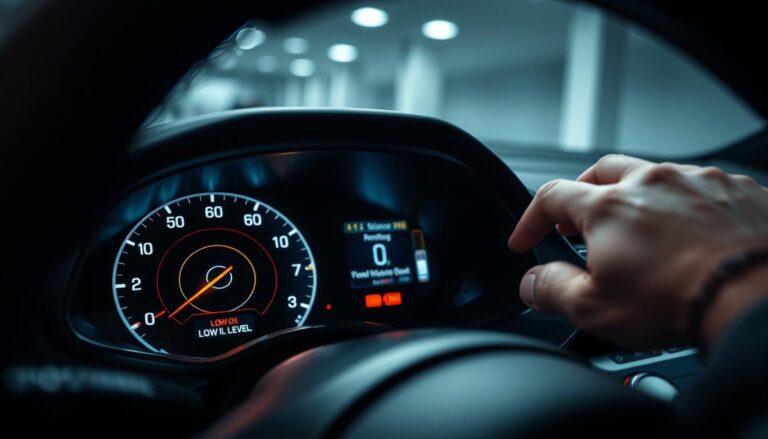

Many Volvo owners notice their car behaves like an electric-first vehicle, then the gasoline power cuts in at odd moments. The situation often happens during pull-away, stops, or when accessories demand extra power. That sudden switch can feel like a fault, yet it may reflect control logic protecting reliability and cabin comfort.
Pure selected, Pure available, and Pure delivering propulsion are not always the same thing. The system can honor a driver request but still override it when battery state, temperature, or heavy A/C load needs more energy.
Community reports point to high A/C draw without preconditioning and to a “no power until past the oil drop” reading on the dash as clues. Those signs sometimes link to ERAD-related behavior rather than a simple setting mix-up.
This guide helps owners spot when a switch is normal, what to watch for at startup or traffic restarts, and which patterns merit a service visit.
Key Takeaways
- Unexpected switches often aim to protect battery, emissions, or cabin comfort.
- Check when the change happens: pull-away, startup, or stop/start events matter.
- High A/C demand and dash “no power” cues can indicate normal control action or deeper faults.
- Track repeatability and warnings before scheduling dealer diagnostics.
- Simple checks today—battery state, accessory load, and temperature—can reveal patterns to share with service.
How Pure Mode Works in a Hybrid System
Modern cars choose the easiest, safest way to meet a driver request. Selecting an electric-preferred setting nudges the system to favor battery use, but the vehicle still checks several factors before staying EV-only.
What “Pure” means versus blended operation
Pure here means an electric-first strategy, not a guarantee the gasoline system stays off. A blended setting mixes battery and engine to balance efficiency and responsiveness. The two approaches aim for different trade-offs: one biases electric travel, the other blends for overall economy.
How the car decides between battery, motor assist, and fuel power
The control unit reads available energy, battery temperature, pedal demand, vehicle speed, and HVAC load. Cold batteries or low state of charge can limit the battery’s ability to deliver output and prompt brief gasoline use for system readiness or heating.
The motor may assist the engine under heavier loads, or the vehicle will run on EV-only when conditions allow. Think of the car as constantly balancing requested output versus safe, available electric energy.
| Input | Effect | Driver impact |
|---|---|---|
| Battery temperature | Limits available output | May trigger brief gasoline use |
| State of charge | Defines EV duration | Affects pull-away behavior |
| HVAC / defrost | Increases electrical load | Can cause engine start for comfort |
| Pedal request / grade | Demands more power | May shift to motor assist or fuel |
Why is my hybrid engine starting in Pure mode?
The vehicle checks several things at every key cycle before it honors a selected drive mode.
Default drive logic often resets to a safe baseline after each shutdown. That means a car might not retain your last setting unless it was saved or configured to do so. Many owners find they must pick their preferred drive mode after restart.
What a successful electric start indicates is simple: the battery has enough charge, its temperature falls within allowed limits, and the system sees no immediate need for fuel support. In that case, the vehicle will use electric propulsion first.
Battery charge, temperature, and time since last drive
A high indicated state of charge does not always mean high available output. Cold-soaked batteries near 0°C can show good percentage yet provide limited power.
After long idle time the system may run checks and prioritize component protection. That can push the car toward gasoline support for predictable performance until battery condition improves.
Accessory load and comfort settings that trigger the engine
HVAC, defrost, seat heaters, and heavy A/C at the same moment you request propulsion can force the gasoline system to assist. Preconditioning the cabin beforehand reduces that extra electrical demand and often keeps the vehicle on electric power at pull-away.
Configuration options exist on some models and regions; owners report tools that alter default behavior. Availability varies by model year and market, and changing settings can affect diagnostics or warranty coverage.
- Check default drive mode behavior after a cold sit.
- Try preconditioning to lower immediate HVAC load.
- Note temperature and time since last drive when documenting patterns.
When the Engine Starts Anyway: Normal Reasons Pure Switches to Gas
High cabin load at a stop often forces the car to call on fuel support even when the driver has chosen an electric-preferred drive. The control system watches electrical demand and will summon the gasoline source to keep cabin comfort and response steady.
A/C demand at startup and at traffic lights
High compressor draw at pull-away or while stopped can exceed available battery power. In that case the system starts the gasoline unit to run climate loads and avoid rapid battery strain.
Acceleration requests and pedal input
Pushing past the EV power band with firm accelerator or quick pedal tip-in prompts the car to add fuel for extra torque. Merging or uphill launches are common moments where gasoline support protects performance.
Low available electric power during gear shifts
Moving from reverse to drive can show a short “no power” feeling. The system may brief the fuel source to synchronize torque and ensure a predictable pull-away.
Short trips and conservative behavior
Repeated cold starts, brief stops, and constant HVAC demand make the system favor reliability over maximum EV-only miles. Over the years software and calibration changes can alter how often that happens.
| Trigger | Why it happens | Driver cue |
|---|---|---|
| A/C at idle | Compressor needs extra power | Engine runs at stop, sudden climate comfort return |
| Firm accelerator | Power demand > electric band | Quick surge, fuel joins motor for torque |
| Reverse → Drive | Low available electric torque / sync | Brief “no power” then gasoline assist |
| Short-trip pattern | Conservative strategy for reliability | Frequent engine starts on repeated runs |
Tip: Reproduce the event on the same route and with the same HVAC settings to separate normal triggers from a fault. That helps service diagnose whether behavior matches expected operation or needs attention.
Troubleshooting Steps You Can Do Today (Before Scheduling Service)
Before you call the shop, try a few focused checks that a driver can run today. These steps help separate normal control behavior from a repeatable issue worth service time.
Confirm default drive mode behavior
Note which drive mode the vehicle returns to after each restart. Record whether the driver must reselect the setting, and check for any lag when choosing it in the infotainment menu.
Reduce immediate load and test accessory effects
Run an A/B test: first start with A/C and defrost off, then repeat with A/C on. If the engine engages only with heavy HVAC, that points to normal load management rather than a control fault.
Watch the dash gauge during pull-away
Use the power gauge to spot the exact moment energy shifts from battery to fuel. Note if the gauge crosses a consistent threshold or if a pedal input triggers the change.
Monitor hybrid battery state of charge and early use
Record SOC at startup and during the first 1–3 minutes. Track whether charge drops unusually fast before the engine joins. Also log outside temperature and how long the car sat before driving.
Log warnings and repeatable conditions
“Document any warning messages verbatim and repeat the test on the same route or stop to reproduce the issue.”
If the behavior stops with reduced HVAC load and a gentle pull-away, it likely reflects normal control logic. If it persists with moderate SOC and low accessory use, bring your notes to service for deeper diagnostics.
Signs It’s Not Normal: Possible ERAD or Hybrid Motor/Control Issues
Owners report a repeatable symptom where the car registers throttle input on the dash but refuses to move until the needle crosses the oil-drop zone.
“No power until past the oil drop” — what drivers describe
The display moves, the vehicle does not. You press the accelerator and watch the gauge climb, yet the car stays still until the indicator hits the oil region. That pattern suggests the electric drive path may not be delivering torque and the system forces gasoline takeover.
Intermittent loss of electric pull-away
Some vehicles will pull briefly on electric, then cut torque until fuel joins. This sudden gasoline takeover at low speed is often reported with suspected ERAD faults on certain AWD models.
What to document before service
- Order to record: outside temperature, battery SOC, drive selected, HVAC settings.
- Note reverse→drive behavior, traffic-light starts, dash messages, frequency per week.
- Record any warning lights, worsening trends, or links to bumps or steering angle.
- Capture short dash+road video if safe and legal.
“If propulsion waits for the oil-drop region despite adequate SOC and low accessory load, schedule professional diagnosis.”
| Symptom | Likely area to check | Driver cue |
|---|---|---|
| No movement until oil-drop on gauge | Motor torque path / ERAD | Throttle shown but no wheel torque |
| Brief electric pull-away, then stop | Control module or connector fault | Sudden gasoline takeover after a few feet |
| Intermittent warnings or logged faults | High-voltage logs, software | Stored fault codes or dash warnings |
At service: technicians will read fault codes, review high-voltage logs, update software, and test motor and control modules. Good documentation and video speed diagnosis and reduce shop time.
Conclusion
Quick takeaway: owners should expect the petrol unit to join when cabin comfort, low battery output, or firm throttle demand outpace electric capability.
Most occurrences trace to heavy A/C or defrost at startup, a cold or limited battery, or aggressive pedal inputs during pull-away. These are control choices that protect comfort and predictable power delivery.
Use simple checks first: confirm which drive mode the car defaults to, try a start with HVAC off or after preconditioning, and watch the power gauge during the first few seconds of pull-away. Log SOC, outside temperature, and any dash cues.
If the vehicle refuses to move despite a shown power request—especially when it waits for the oil-drop range—seek service with your notes and any video. That pattern may point to a torque-path fault rather than normal strategy.
Thanks to community members who share repeatable tests—those reports help separate normal behavior from issues and speed dealer diagnosis.
FAQ
What does “Pure” mean versus other drive modes and gasoline operation?
“Pure” refers to an all-electric driving setting where the vehicle prioritizes battery and motor power over the internal combustion unit. In this state, the control system limits fuel use and relies on stored energy. Other modes blend electric assist with gas engine input or favor fuel for sustained highway speeds. The system shifts between these based on battery charge, speed, and driver demand.
How does the car decide between battery power, motor assist, and fuel power?
The vehicle uses sensors and a control unit to evaluate state of charge, accelerator position, speed, accessory load, and temperature. The algorithm chooses the most efficient source: electric only when available and sufficient, blended when extra torque or range is needed, and gasoline when battery limits or operating conditions require it.
What does default drive logic mean when the vehicle starts in Pure?
Default logic defines the mode the car returns to after startup or key-on. If the default is set to Pure, the system will attempt electric-only starts whenever conditions allow. This indicates the control software prioritizes zero-emission pull-aways until a limit or request forces a switch.
Can battery charge level, temperature, or time since last drive make the car start in Pure?
Yes. A healthy state of charge and moderate battery temperature favor electric starts. Long parking times can allow the system to maintain enough charge for a Pure start. Cold batteries or low SOC will usually prevent electric-only operation and cause the engine to fire instead.
Do accessories or comfort settings trigger the gasoline engine at startup?
Heavy accessory loads—like full cabin heating, demanding climate control, or multiple electronics—can force the engine to run to supply power or to precondition the cabin. Turning off high loads or using eco/low-power climate modes can help the car remain electric at takeoff.
Why will the engine start even if the vehicle begins in Pure?
The system switches to fuel when demands exceed electric capacity. Common triggers include strong acceleration, steep grades, A/C compressor engagement, or low battery. The control unit ramps the engine up to maintain performance and protect battery longevity.
How does A/C demand affect Pure operation at startup or at traffic lights?
A/C compressors require noticeable energy. On some cars, immediate HVAC demand at startup causes the engine to run rather than draw large current from the battery. Preconditioning the cabin while plugged in or reducing A/C set points can prevent this.
When does acceleration or pedal input force the switch to gasoline?
Heavy accelerator input asks for torque beyond the motor-only band. The drive control responds by engaging the engine to supply extra power and maintain drivability. Gentle throttle during pull-away increases chances of staying electric.
Why might the system use fuel when shifting from reverse to drive?
Direction changes require quick torque and sometimes higher power than the battery can safely deliver. The control may start the engine to ensure smooth transition and prevent stress on electric components, especially if SOC is marginal.
How do short-trip driving patterns influence electric-only starts?
For brief runs, the system may favor gasoline to preserve battery longevity or to meet emission and thermal management requirements. If trips are repeatedly very short, control logic can prioritize reliability over EV-only performance.
What simple checks can I perform before scheduling service?
Confirm the selected drive mode and whether it defaults on key-on. Try starting with A/C and accessories off, then repeat with them on to compare. Observe the dash power gauge at pull-away to see when the switch occurs. Note battery SOC and any dash warnings.
How can I reduce immediate electrical load to test Pure behavior?
Turn off climate control, heated seats, and high-draw infotainment features. Use eco settings if available and avoid rapid throttle for the first block. Compare results with and without preconditioning to isolate the cause.
What should I monitor during the first minutes of driving?
Watch battery state of charge, power flow indicators, and any warning messages. Note the exact conditions when fuel engagement happens: outside temperature, accessory settings, speed at switch, and pedal position.
What warning signs suggest a control or motor problem rather than normal behavior?
Red flags include sudden intermittent loss of electric pull-away, repeated unexpected gasoline takeover with mild demands, or a “no power until engine runs” pattern. Also watch for persistent error messages, limp-home modes, or abnormal noises.
What details should I document for a service visit?
Record date, time, outside temperature, SOC at startup, selected drive mode, accessory settings, exact moment the engine engaged, and any dashboard messages. Replicate the condition on different trips if possible to help technicians diagnose ERAD or motor control faults.
Could hybrid battery condition or control module faults cause abnormal starts?
Yes. A weakened battery, thermal issues, or a faulty inverter or control module can prevent reliable electric-only starts. These faults may force frequent gasoline engagement or create performance gaps that require expert diagnosis.
When should I contact dealership service or a qualified technician?
Seek professional help if you see recurring unexpected engine starts, warning lights, loss of electric acceleration, or safety-related behavior. Provide your documented conditions to speed up troubleshooting and reduce repair time.