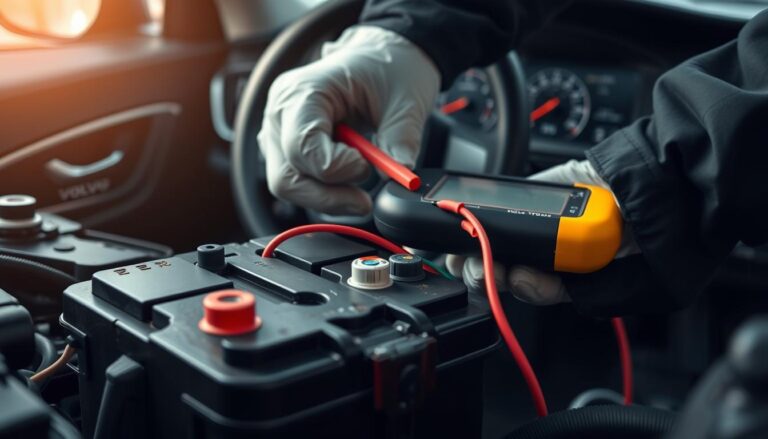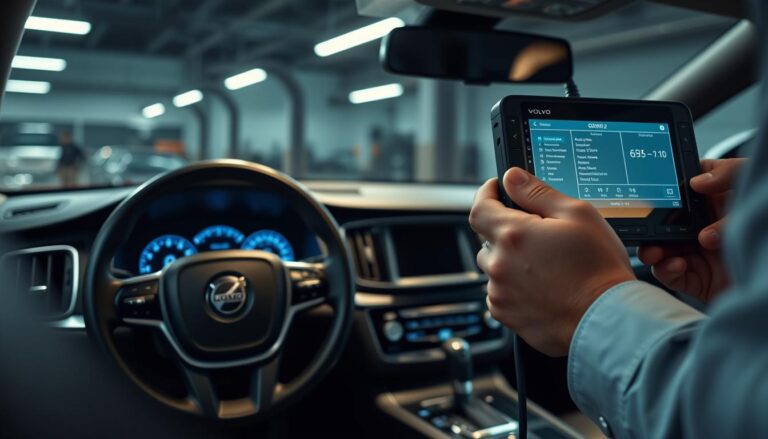

Facing sudden range drops, winter dips, or a slow loss of efficiency? This guide defines what range loss can look like and gives clear, practical steps you can follow. It focuses on everyday driving habits, smart charging, climate impacts, and basic checks that keep the battery healthy.
Who this is for: U.S. Volvo drivers, including EX30 owners, who commute, road-trip, or manage seasonal weather swings. The advice is safe and practical, not risky hypermiling.
The article is organized for easy use: first we help you judge what’s normal, then we address the biggest drains — cold weather and HVAC — followed by tires, charging habits, driving style, regen use, route planning, and drag or extra weight. Expect step-by-step checks and simple habits that lower energy demand and help the battery operate efficiently.
Key Takeaways
- Identify real signs of range loss and what causes them.
- Practical driving and charging tips that improve everyday efficiency.
- Cold weather and HVAC are major drains; plan for them.
- Small changes—tire care, regen use, and lighter loads—add up.
- Safety-first tactics and manufacturer-aligned practices guide every tip.
Why Your Volvo EV Range Drops and What “Normal” Looks Like Today
Certain numbers on the dashboard are estimates based on lab tests and ideal conditions. Real-world driving usually differs because traffic, speed, and weather change how much energy a trip needs.
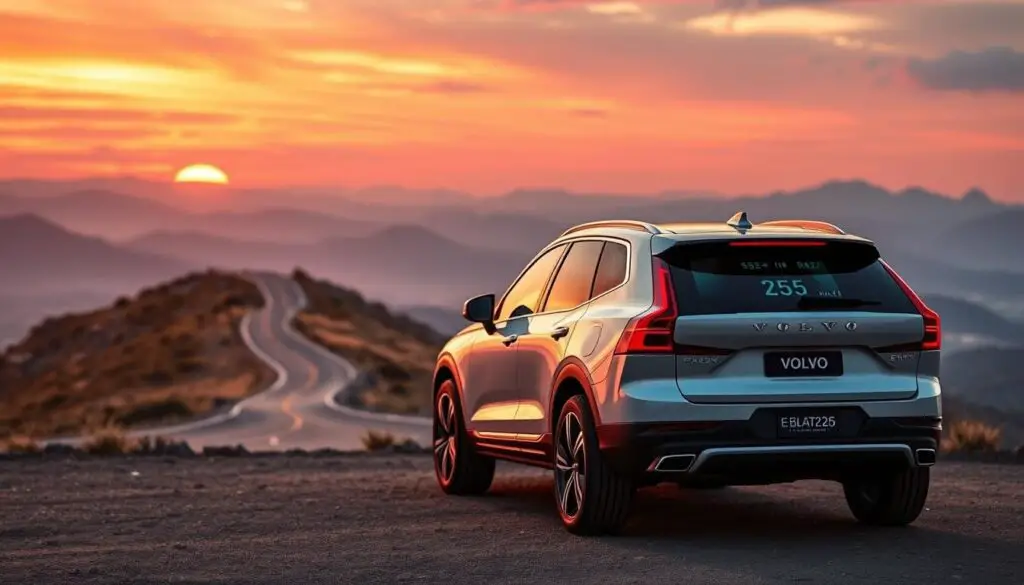
Real-world range vs. estimated range on mixed routes
EPA or factory numbers assume steady speeds and moderate climate use. Most U.S. commutes mix suburban stop-and-go with highway miles. Short trips often look worse per mile because cold starts and frequent accelerations raise consumption.
Why daily energy use changes
Wind, elevation, and precipitation alter load every day. Higher speeds increase aerodynamic drag and demand much more power. Repeated accelerations cause sharp consumption spikes that cut performance.
Quick self-check framework
- Compare recent mi/kWh on similar routes.
- Review climate settings and accessory use.
- Note recent changes: tires, racks, or temperature swings.
| Factor | Typical effect | What drivers can check |
|---|---|---|
| Speed | Large increase in energy at higher mph | Track mi/kWh at highway vs. local roads |
| Stops & acceleration | Frequent spikes in consumption | Use gentler throttle and stronger regen |
| Accessories & setup | Small changes shift estimated values | Remove racks, check tire and climate settings |
Baseline: focus on cutting wasted energy and keeping systems efficient. The goal is steady, realistic gains rather than chasing a single perfect number each day.
Quick Signs Your Battery Performance Is Being Limited
A short diagnostic saves time. Run a few targeted checks before assuming a battery fault. These observations help you pick the highest-impact fixes in later sections.
Common triggers and a fast checklist
What changed? Note recent shifts: colder weather, longer highway miles, new tires, roof racks, or a different charging habit. Any of these can raise energy use quickly.
- Did outside temperature drop recently?
- Are you seeing more sustained high-speed driving?
- Have you added accessories that add drag or weight?
- Has your daily charging pattern changed (fast charging or parked at high state of charge)?
Cabin and climate clues
Persistent HVAC runs, high cabin setpoints, frequent defrosting, and strong fan speed are common hidden drains. Preconditioning while plugged in reduces the load during the first miles.
Watch whether the loss happens mainly at drive start — a warm-up demand — or evenly across a trip. Start-only drops point at heater use and thermal management. Continuous drops suggest speed, drag, or tires.
Tip: Diagnose the pattern first. That makes later fixes more effective and faster to test.
Cold Weather Range Loss in EVs and What to Expect
Cold weather can trim predicted miles by double digits on the chilliest days.
Expectation: On very cold days, drivers often see about a 15%–20% drop from the car’s estimated value. This is common across many models and reflects real-world use rather than a defect.
Why usable energy falls
Low temps slow battery chemistry. Cells deliver less usable energy until they warm.
The system may draw extra power while warming the pack. That heat demand cuts usable miles early in a trip.
Compounding electrical loads
Cabin heat, seat heaters, defrost, headlights, wipers, and mirror heaters add steady draw. On dark winter commutes these extras raise total consumption noticeably.
| Item | Typical impact | Driver action |
|---|---|---|
| Cold pack | Lower efficiency, warm-up power | Charge often; precondition while plugged |
| Heaters & HVAC | High energy draw early miles | Use seat heat; lower fan where possible |
| Lights & accessories | Small steady drain | Limit nonessential loads; check wipers |
Practical note: Short trips show the biggest percent loss because warm-up needs dominate. Leave a buffer, charge more often, and adjust climate settings. Preconditioning and smarter HVAC use are often the fastest ways to get miles back.
Precondition the Cabin While Plugged In to Save Battery
Using grid power to warm or cool the cabin before unplugging keeps propulsion energy available for the trip. Preconditioning means adjusting cabin temperature and related thermal systems while the vehicle is connected to mains power.
Preheat or precool using grid power before you unplug
Morning routine: Charge overnight at home, set a departure time, and schedule preheat or precool a few minutes before you leave. That short window cuts the peak HVAC draw right after unplugging.
Use workplace charging to precondition before the drive home
If your office offers charging, start conditioning near the end of your shift. Using on-site power means the cabin and battery are already at a friendly temperature for the commute.
Why it helps: Preconditioning preserves battery power for driving, improves comfort, and often reduces the immediate load on the pack.
| Action | When | Main benefit |
|---|---|---|
| Set departure time | Night or morning | Warm/cool while plugged at home |
| Short preconditioning | 5–15 minutes before unplug | Lower peak HVAC draw |
| Workplace conditioning | End of workday | Drive home with more usable battery |
Test it: Track your usual trip for a week with and without preconditioning. Compare mi/kWh and comfort. You may see measurable gains in usable energy and a better start each drive.
Use Efficient Climate Control Instead of Running Heat or AC Full Blast
Small climate adjustments often yield noticeable gains in usable miles without sacrificing comfort. Treat climate settings as a practical lever you can move immediately on cold days.
Prioritize heated seats and heated steering wheel over blasting HVAC
Heated seats and steering wheel warm people directly and use far less energy than heating the whole cabin. Use these features first for quick comfort during short trips.
Warm passengers, not the whole cabin, by managing vents
Aim vents where people sit and reduce flow to empty seats. Close rear vents when you drive alone and lower overall fan speed when possible.
When turning climate control down can meaningfully improve range
Dialing the setpoint down a few degrees after the cabin warms can cut steady HVAC draw. This matters most on short runs, stop-and-go commutes, and very cold days when heat would otherwise run continuously.
“Treat climate control as a ‘range lever’—small changes add up quickly.”
Safety note: Keep defrost priority for visibility. Turn off max defrost once windows clear and then revert to efficient settings.
- Comfort-first: start with seat and wheel heat, then raise air if needed.
- Vent management: aim vents, close unused outlets, avoid high fan speed.
- Short trips: expect the biggest gains from reduced HVAC use.
| Action | Energy effect | When to use |
|---|---|---|
| Seat & steering heat | Low energy, quick comfort | Short trips, daily commutes |
| Targeted venting | Moderate savings by limiting air volume | When driving alone or with few passengers |
| Lower cabin setpoint a few degrees | Reduced continuous HVAC load | After cabin warms, during cold days |
Quick tip: Use these small steps together for the best balance of comfort and efficiency.
Check Tire Pressure Often for Better Efficiency and Range
Tire pressure often slips silently as seasons change, and that costs energy. Underinflated tires raise rolling resistance, so the car must use more power to hold speed.
Direct mechanism: Low pressure increases the tire’s contact patch and friction. That forces the vehicle’s drivetrain and battery to work harder, which lowers efficiency and affects handling.
Where to find the correct PSI
The recommended PSI is usually on a sticker in the driver-side door jamb. Follow the manufacturer number rather than guessing; tire sidewalls show maximum, not operating, pressure.
Seasonal behavior and check cadence
Air contracts in cold weather, so pressure will drop as temperatures fall. A setting that was fine in autumn can be low by winter.
- Check monthly year-round and more often during temperature swings.
- Verify before long trips and when the car feels sluggish or pulls.
- Proper PSI improves handling, braking, and tread life while making estimated miles more predictable.
| Issue | Effect | Driver action |
|---|---|---|
| Underinflation | Higher energy use | Top up to recommended PSI |
| Cold temps | Pressure loss | Recheck during season changes |
| Overinflation | Uneven wear | Follow door-jamb PSI |
Consider Winter Tires if You Drive in Cold Regions
Winter traction often makes the biggest difference between a stressed commute and a confident one.
When to consider them: Choose winter tires if you face frequent subfreezing mornings, regular snow or ice, or mountain roads where traction matters. These tires use rubber compounds and tread designs that stay flexible at low temperature and bite into slick surfaces.
Safety and steady performance on cold trips
Benefits: Improved grip cuts wheelspin and reduces sudden corrections. That means fewer energy-wasting accelerations and steadier momentum on long winter trips.
Any small efficiency change from softer rubber is often offset by smoother driving and fewer detours or stops. In practice, safer handling helps preserve usable energy during a cold-day journey.
“Better traction equals fewer surprises — and a more consistent, predictable drive in low-temperature conditions.”
- Install before sustained cold arrives and switch back when temperatures stay above seasonal thresholds.
- Use winter tires together with preconditioning and moderate speeds for best results.
- Think of safety as part of energy management: predictable handling avoids wasted power from abrupt maneuvers.
| Condition | Primary benefit | Driver action |
|---|---|---|
| Frequent subfreezing mornings | Better traction at low temperature | Fit winter tires before season starts |
| Snow or ice exposure | Improved control and shorter stopping | Use dedicated winter wheelset for full-season protection |
| Mountain or steep routes | Maintain momentum with less wheelspin | Keep winter tires through thaw cycles |
Park in a Garage or Covered Area to Reduce Temperature Swings
Simple parking choices each day influence how hard the battery management system must work. Leaving the car sheltered limits exposure to extreme cold or heat and reduces immediate HVAC demand on startup.
Why the parking environment matters
Vehicles left in direct sun heat up quickly. Long sun exposure forces the cabin and pack cooling system to run harder when a driver starts a trip.
Similarly, cars parked in open, windy spots cool more overnight, which raises warm-up loads for heaters. A milder starting temperature saves energy early miles.
Park-smart habits that pay off
- Park in a garage at home when possible, or use covered parking.
- Choose shaded spots during hot days and wind-sheltered areas in winter.
- If no garage exists, prioritize covered parking at work or errands to avoid repeated heat-soak/cold-soak cycles.
Long-term consistency matters: small daily cuts in thermal stress reduce wasted energy and help keep usable miles and overall performance steadier over time. It won’t create extra battery capacity, but it does lower needless warm-up and cool-down losses.
Keep Your Volvo EV Battery in the Sweet Spot with Smarter Charging
A consistent charge rhythm gives drivers predictable usable miles and fewer surprises on cold mornings.
Follow the 80/20 guideline for day-to-day charging
Target: keep the battery between roughly 20% and 80% for routine use.
This preserves long-term health while leaving ample usable energy for errands and commutes.
When charging to 100% makes sense for long trips
Set a full charge before long trips, cross-country days, or routes with sparse plugs. Return to the 80/20 habit after you finish the trip.
Why keeping the battery “topped up” helps in very cold weather
In very cold conditions, the system may reserve about 15%–20% of capacity for thermal management.
Starting with a higher charge reduces anxiety and keeps usable miles closer to what the dashboard predicts.
“A steady charging routine is one of the simplest ways drivers can smooth daily performance.”
Charging rhythm for U.S. drivers:
- Top up overnight at home when possible.
- Avoid habitually arriving near empty before a cold or highway-heavy drive.
- Use 100% only for planned long-distance trips, then resume normal limits.
| Situation | Recommended action | Main benefit |
|---|---|---|
| Daily commute | Charge to ~80% | Good balance of usable energy and cell longevity |
| Long trips | Charge to 100% before departure | Maximum usable miles for sparse charging routes |
| Cold weather | Start the day at a higher state of charge | Offsets reserved capacity for heating the pack |
Outcome: Smarter charging reduces surprise swings and keeps the car’s estimate closer to real-world results. Check vehicle or app guidance for any model-specific settings and use this 80/20 baseline as your default.
Drive Smoother to Reduce Power Demand and Improve Range
Smooth inputs at the wheel lower peak power demands and improve day-to-day efficiency.
Gentle acceleration and gradual stops
Why smoothness matters: hard launches and late braking create big spikes in power use that raise consumption and shorten trips. Apply throttle progressively, especially from stops, and aim for quiet, steady output rather than sudden bursts.
Keep a steady pace for better efficiency
Maintaining consistent speed on arterials and highways uses less energy than frequent speed swings. Look farther ahead, lift early, and let regen do most deceleration when traffic allows.
- Practical accel tip: roll on the throttle gently for the first few seconds after moving.
- Stopping tactic: release earlier and coast to engage regenerative braking.
- Commute habit: leave a few minutes earlier so you avoid aggressive maneuvers and lane weaving.
Smoother driving feels calmer, keeps passengers comfortable, and boosts overall efficiency.
Slow Down and Use Eco Mode for Immediate Range Gains
Trimming highway speed and engaging Eco settings are quick, effective steps that drivers can test on a familiar route. These options reduce steady propulsion demand and can deliver clear improvements without changing gear or tires.
How highway speed impacts EV efficiency
Air resistance rises sharply with speed. Efficiency often falls faster above 70 mph than many expect.
Actionable target: try 65 mph instead of 70 mph where safe and legal, then compare mi/kWh on the same highway segment.
Why Eco mode helps most during winter months
Eco mode smooths throttle and limits nonessential power use. That lowers peak draws when HVAC and battery heating already stress the pack.
Use Eco mode on cold commutes and steady highway drives for more predictable performance and modest gains in usable range.
- Slower speed may add minutes but can cut a charging stop.
- Test the combination on a repeatable route for real data.
- Use Eco mode consistently on commutes where predictability matters more than quick acceleration.
| Factor | Benefit | When to use |
|---|---|---|
| Lower speed | Less aerodynamic drag | Highway segments |
| Eco mode | Smoother power use | Winter and city driving |
| Combined | Improved overall efficiency | Long trips or cold days |
Take Advantage of Regenerative Braking Settings
Small changes to regen behavior can turn stop-and-go traffic from a drain into a partial recharge source.
What it does: When you slow, the motor acts as a generator and sends energy back into the battery. This process lowers reliance on friction pads and recovers energy that would otherwise be lost.
Match settings to your driving
Try stronger regen for city commutes. It captures more energy and makes one-pedal driving practical. On open roads, lighter regen feels smoother and reduces abrupt deceleration.
Technique that helps
Anticipate stops and lift off early to let regen do most deceleration. This recovers more energy without harsh braking and keeps passengers comfortable.
Added upside: More regen means less wear on the braking system and fewer pad replacements.
Safety note: In slippery conditions, choose settings that feel stable and predictable. Always prioritize consistent braking performance over maximum recovery.
| Setting | Best for | Main benefit |
|---|---|---|
| High regen | Stop-and-go city driving | Maximizes recovered energy |
| Medium regen | Mixed urban/highway | Balanced feel and recovery |
| Low regen | Highway or slick roads | Smoother coast and predictable braking |
Plan an Eco-Friendly Route to Avoid Energy-Wasting Conditions
Picking roads with fewer lights and gentler grades often yields more usable miles than the fastest path.
Why routing matters: Frequent stops, steep climbs, and short high-speed bursts increase energy demand. That makes the vehicle work harder and cuts effective distance.
Choose steadier roads when time difference is small
When a slower route only adds a few minutes, favor steady speeds and fewer intersections. Consistent motion typically improves efficiency and lowers total power use.
Use navigation for economical directions
Many navigation apps offer an eco or economical option. Compare that suggestion with the fastest route and pick whichever gives more predictable energy use for your commute.
- Avoid short highway bursts at high speed.
- Skip congested stop-and-go corridors when practical.
- Watch for routes with repeated traffic lights or tight signal spacing.
Build a personal best-route library. Save reliable options for common destinations and update them seasonally. Better routing makes estimates more predictable and lowers last-minute charging changes.
| Issue | Effect | Driver action |
|---|---|---|
| Frequent stops | Higher energy use | Pick fewer-intersection streets |
| Steep grades | Large consumption spikes | Route around climbs when possible |
| High-speed bursts | Big aerodynamic loss | Use steady-speed segments |
Reduce Vehicle Weight to Improve EV Efficiency
Lightening what you carry can quietly raise daily efficiency and stretch typical trips. Extra mass forces the motor to use more energy during acceleration and climbs. That raises consumption and nudges down the car’s usable miles.
Why clearing out the trunk helps you go farther
Every extra pound increases the load the vehicle must move. On stop-and-go runs, those penalties show up fast because frequent accelerations repeat the same demand.
How extra cargo weight can reduce efficiency even on short trips
As a rule of thumb, about 100 pounds of extra weight can cut efficiency by up to roughly 2%. Over weeks of commuting, that loss adds up.
- Do a trunk audit: remove unused sports gear, heavy toolboxes, and “just in case” items.
- Keep essentials—first aid, jumper cables—but avoid daily carriage of nonessentials.
- Recheck loadout seasonally; winter gear can add surprising mass.
Quick tip: Trim the load for city commutes first. Those short trips amplify weight penalties and give the fastest, measurable improvement.
Avoid Range-Reducing Accessories That Add Drag
What sits above the cabin matters: added rails or boxes push more air drag at speed. Roof-mounted gear disrupts smooth airflow and raises the energy your vehicle needs on highways. That loss is most visible on long, steady-speed runs where air resistance dominates.
Common culprits and plain-driver effects
Roof rails, cargo boxes, bike racks, and loose carriers are frequent offenders. Left on year-round, they cut efficiency and lower the dashboard estimate from its factory baseline. Even a low-profile box can cost several miles per hour of highway driving.
Simple practices that help
- Remove external accessories when not needed.
- Pick aerodynamic carriers if you must carry gear.
- Test impact by driving a consistent highway loop with and without the accessory to see real-world results.
Keeping the exterior near factory shape helps your car’s estimated range match actual outcomes. Small choices about the roof can add up to steadier, more predictable efficiency.
| Accessory | Typical effect | Practical action |
|---|---|---|
| Roof rails | Increases air drag at speed | Remove when unused; use flush rails if available |
| Cargo box | Notable highway efficiency loss | Choose low-profile models; uninstall after trip |
| Bike rack | Variable drag depending on position | Mount inside or use compact racks when possible |
Conclusion
Finish strong by focusing on the few changes that return the largest gains for drivers.
Priority actions: precondition while plugged, manage climate for targeted comfort, check tire pressure, and slow down on highways when safe. These moves often give the biggest immediate improvements for the Volvo EX30 and similar electric vehicles.
Stick with an 80/20 charging habit for daily use, top up to 100% for longer trips, and add extra top-ups on very cold days. Smooth acceleration, steady speed, Eco mode, and stronger regenerative braking on city commutes lower power consumption and wear on braking systems.
Keep tires at the door‑jamb PSI, remove roof rails or cargo boxes when idle, and clear unnecessary cargo. Pick three changes to try this week, log mi/kWh for several days, and adjust based on your routes, climate, and driving style.
FAQ
Why does my Volvo’s battery deliver less usable distance on cold days?
Battery chemistry slows when temperatures drop, so available energy and charging speed fall. Heating systems, headlights, and defrosters add load, too. Preconditioning while plugged in, parking in a garage, and using heated seats instead of cabin heat cut that extra draw.
What counts as normal real-world range versus the car’s estimated number?
Manufacturer range is based on test cycles that differ from everyday U.S. driving. Real-world range varies with speed, stops, traffic, and accessory use. Expect lower figures during highway cruising, cold weather, or when HVAC runs frequently.
How much does driving faster reduce efficiency?
Aerodynamic drag rises with the square of speed, so higher highway speeds can dramatically increase energy use. Slowing a bit and using Eco mode yields immediate gains, especially on long runs and in winter.
Are there quick signs that cabin climate settings are hurting distance?
Yes. Rapid range drops after turning the heater or A/C on, or when switching to full fan/blast modes, show HVAC is the culprit. Prioritize seat and steering-wheel heaters, lower fan speed, and zone control to cut consumption.
How often should I check tire pressure for better efficiency?
Check at least monthly and before long trips. PSI falls as temperatures drop, and underinflated tires raise rolling resistance and energy use. Find the correct PSI on the door placard or owner’s manual.
When is charging to 100% appropriate versus stopping at 80%?
Daily charging to about 80% protects battery health and gives ample range for normal use. Charge to 100% only for planned long trips; in very cold weather, a higher state of charge can help maintain usable range, but avoid constant full charges.
How does regenerative braking improve overall efficiency?
Regenerative braking recovers kinetic energy and returns it to the battery, reducing net energy use and brake wear. Set stronger regen for stop-and-go city driving; lighter regen can feel smoother on highways.
Will removing roof racks and excess cargo really make a measurable difference?
Yes. Roof rails and cargo boxes increase aerodynamic drag, especially at higher speeds, and extra weight raises energy demand. Clearing the trunk and stowing accessories when not needed helps extend distance.
Should I use winter tires in cold climates, and how do they affect efficiency?
Winter tires improve traction and safety on snow and ice. They can slightly increase rolling resistance and reduce range, but the safety benefits in low temperatures usually outweigh the modest efficiency loss.
How can preconditioning at home or work preserve battery and trip distance?
Preheating or precooling while the vehicle is plugged in uses grid power, so the car starts the trip with a comfortable cabin and a battery at optimal temperature. Workplace charging lets you precondition before the drive home, reducing HVAC load en route.
What driving habits give the biggest range gains without hardware changes?
Smooth acceleration, gradual braking, maintaining steady speeds, and using Eco mode are the most effective. Planning routes that avoid heavy traffic and frequent stops also lowers energy spikes and improves efficiency.
Could software or battery health issues be limiting performance?
Yes. Software updates, battery management settings, or an aging battery can change usable capacity. Check for available vehicle updates, use recommended charging practices, and have a dealer or certified technician run a diagnostic if losses seem abnormal.
How does parking in a garage affect long-term battery performance?
Avoiding extreme heat or cold reduces thermal stress and HVAC demand at start-up. That preserves usable capacity and reduces energy needed for cabin comfort, helping maintain more consistent daily distance.
Is it better to warm passengers rather than the whole cabin to save power?
Yes. Using heated seats and steering wheel focuses warmth on occupants with far lower energy draw than heating the entire cabin. Direct vents and lower fan speeds further reduce HVAC power use.