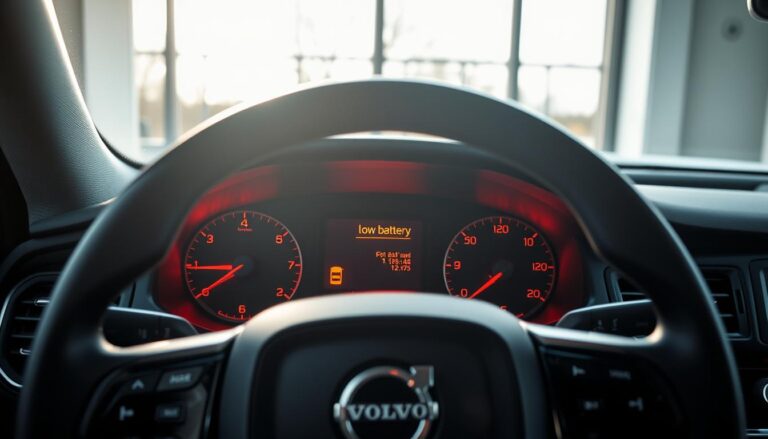

Owners today can face a frustrating situation when their car will not start because the small 12V battery has lost power. Carl Hunt shared eight years and 170k miles of T8 ownership, noting that this is a common issue after long use. Understanding the charging flow helps you tell whether the problem is the 12V system or the larger 400V traction setup.
Many drivers assume the traction pack is the only source of power. In fact, the 12V cell supports key electronics and can stop a vehicle from starting even when the main pack is healthy. A faulty wall charger, such as the Hypervolt Home 3 Pro, can sometimes interfere with the car’s charging behavior and create confusing symptoms.
Take the time to diagnose carefully and consider professional help when issues persist. Quick checks at home can narrow the situation, but long-term failures often need a shop that knows hybrid systems.
Key Takeaways
- Small 12V cells can prevent start-up even if the main traction pack is fine.
- Carl Hunt’s long-term T8 use highlights battery wear over time.
- Wall chargers like Hypervolt Home 3 Pro may affect charging behavior.
- Diagnose whether the 12V or 400V system is at fault before repairs.
- Minor checks help, but recurring issues often need professional service.
Understanding the Volvo Hybrid Electrical Architecture
Understanding how the low-voltage and high-voltage systems cooperate is key for owners facing start-up faults.
The Role of the 12V Battery
The small 12V cell runs interior lights, window motors, seat controls and many software modules. It feeds critical electronic systems and accessories that keep the car responsive.
If the 12V fails, vehicle electronics will not boot, even when the high-voltage pack has charge. That makes the low-voltage unit the first place to check for no-start symptoms.
The 400V Traction Battery Connection
The high-voltage traction pack supplies the ERAD and provides the main start-up torque through the starter/generator. The starter/generator sits on the top right under the bonnet when facing the windshield.
These two domains work together. A transformer/rectifier circuit keeps the 12V topped up from the 400V system so voltage stays stable for components and software.
| Function | 12V System | 400V Traction |
|---|---|---|
| Main role | Run accessories, lights, software modules | Power ERAD and start the engine |
| Location | Under bonnet / low-voltage bay | Pack under chassis / traction bay |
| Interaction | Maintained by transformer circuit | Supplies charging and start torque |
How to troubleshoot a dead 12V battery in a Volvo hybrid?
First, look at the small cell’s posts and cables—loose clamps and corrosion often block current flow. Clean any green or white deposits and tighten clamps. A poor connection can mimic a bigger problem and stop the car from powering up.
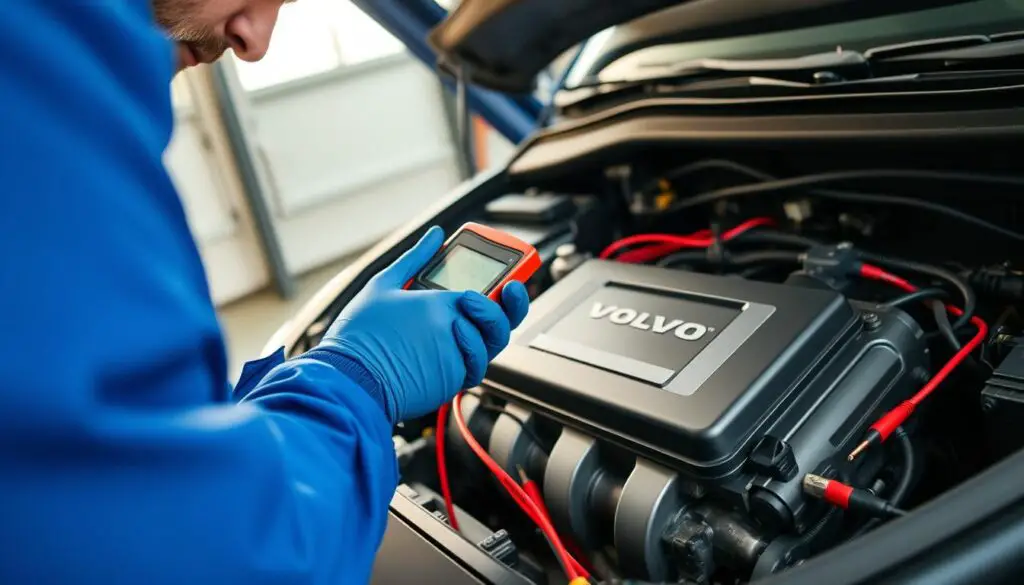
Next, confirm the traction pack has usable charge. The low-voltage unit gets topped from the high-voltage pack via a transformer. If the main pack is empty or the transformer fails, the 12V cell will not receive charge while on the road.
Watch for dead instrument lights or unresponsive software accessories. Those signs mean the low-voltage system cannot support vehicle systems during normal use.
- Inspect terminals and body earth for secure contact.
- Verify the traction pack state and observe the charging behavior.
- Note recurring faults even after replacement—this can indicate a charging system issue.
If symptoms persist after these checks, seek professional diagnosis. Dealers and specialized shops can test the transformer/rectifier and confirm whether the cell itself or the charging system is the root issue. For related electrical failures, see ignition switch problems.
Common Causes of Battery Power Loss
Cold weather often unmasks aging components. Freezing temperatures slow the chemistry inside batteries and cut available voltage quickly. Carl Hunt’s December cold snap made an 8-year-old unit show its limits.
Several issues combine during low temperatures. Corroded terminals raise resistance and stop the system from keeping steady voltage. That resistance can make lights dim and electronics fail.
- Extreme temperatures reduce capacity in lead-acid and AGM cells.
- Faulty wall chargers may create parasitic drain while the car is parked.
- Terminal corrosion and poor earth connections block proper charging.
Watch for dim lights or repeated start failures. These signs often mean cold weather is amplifying an existing problem. If symptoms persist, follow a detailed diagnosis or consult service resources such as auto start/stop troubleshooting.
Evaluating the Role of External Charging Equipment
External charging gear can change how a car’s electrical network manages voltage during a charge cycle.
Third-party chargers like the Hypervolt Home 3 Pro are built to charge the main pack. In some cases, users have reported odd behavior that affects the auxiliary cell and the vehicle’s software. Always inspect the charging cable and terminals for secure contact before a session.
Modern cars use data links between the charger and the vehicle to control current and voltage. A communication fault can lead the charger to apply incorrect charge patterns. That may stress the system and leave the small cell undercharged.
- Test with an alternate charger if you suspect the unit.
- Check connector pins and earth paths for resistance.
- Note whether the charger logs show repeated disconnects.
| Item | Normal Behavior | Fault Signs |
|---|---|---|
| Charger communication | Stable handshake, set current limits | Repeated retries, timeout errors |
| Voltage delivery | Steady ramp to target | Fluctuations, drops during charge |
| Effect on auxiliary cell | Maintained by transformer while charging | Aux cell not topping up after sessions |
Professional Service and Diagnostic Procedures
When symptoms persist after basic checks, a trained technician will follow structured diagnostics. Professional service uses tools that read fault logs and measure live voltages across circuits.
Testing the Transformer and Rectifier
Technicians verify the 400V-to-12V converter with controlled tests. If the dealer already tested the battery and charging system but the car still failed to start, the transformer/rectifier is a likely fault.
Diagnostic gear checks current flow, communication lines, and thermal behavior under load. These checks confirm whether the unit supplies steady voltage while the vehicle is charging or on the road.
Verifying Battery Health
Service teams test cell health with load testers and conductance meters. They inspect terminals and ground paths for high resistance or corrosion.
Technicians also check that recent software updates have not altered charge management. The result is a clear plan: repair converter faults, replace worn cells, or update software.
- Confirm converter output and continuity.
- Measure terminal voltage under load.
- Verify starter/generator receives proper voltage at engine start.
| Check | Normal Result | Fault Sign |
|---|---|---|
| Transformer output | Stable 12–14V under load | Voltage drop or no output |
| Battery conductance | Acceptable mS reading | Low conductance indicating wear |
| Terminals & grounds | Low resistance, clean contact | Corrosion, loose clamps |
Conclusion
Final thoughts: Regular checks and simple habits keep your car’s low-voltage system reliable. Record charge sessions, inspect terminals, and note odd charger behavior for clear history you can show a technician.
Monitor cell health and watch for dim lights or repeated failures. A worn battery will sap power and leave the vehicle unable to boot key electronics even when the main pack shows charge.
If problems recur, seek professional service. Trained technicians can test the converter, measure voltages under load, and pinpoint faults safely. With routine upkeep you can enjoy hybrid benefits and fewer surprises on the road today.
FAQ
What are the first checks I should perform when my Volvo hybrid won’t power on?
Start with visible, quick checks: confirm the parking brake is set, ensure the key fob battery is charged, and look for dashboard messages. Inspect the 12V terminals for corrosion or loose clamps and clean or tighten as needed. If accessories like lights and infotainment are dead but the high-voltage system shows no faults, the low-voltage supply is likely the issue.
Can the high-voltage traction pack charge the low-voltage system automatically?
Yes. Volvo hybrids use a DC–DC converter that steps down the high-voltage pack to maintain the low-voltage system. If the converter or its fuse/relay fails, the low-voltage supply won’t recharge, leaving systems without power even when the traction pack is healthy.
Is jump-starting safe for a Volvo hybrid?
Jump-starting can work but requires caution. Use the manufacturer-recommended jump points, not the 400V components. Follow the owner’s manual sequence and clamp polarity. If unsure, call Volvo Roadside Assistance or a professional to avoid damaging electronic modules.
What tools or equipment should I have for basic diagnostics?
Carry a digital multimeter to measure terminal voltage, insulated gloves, and a battery terminal cleaner. A compact jump pack with reverse-polarity protection is useful. For deeper checks, a professional-grade scanner that reads Volvo hybrid modules is necessary.
What voltage should I expect at the low-voltage terminals when the system is healthy?
A healthy resting voltage is about 12.4–12.7 volts when the car is off. With the vehicle on or the DC–DC converter active, voltage typically measures near 13.5–14.5 volts. Readings well below 12.0 volts indicate a discharged or failing battery.
How do extreme temperatures affect the low-voltage supply?
Cold reduces battery capacity and can prevent engine start or accessory operation. Heat accelerates internal degradation and increases self-discharge. Store the vehicle in moderate conditions if possible and have the battery tested after prolonged exposure to extremes.
Could vehicle software or accessories drain the low-voltage system when parked?
Yes. Software faults, aftermarket accessories, or parasitic draws from modules (alarms, telematics) can drain charge over days to weeks. Use a professional parasitic current test to isolate the source, and update vehicle software at a dealer if bugs are suspected.
When should I involve Volvo service instead of DIY fixes?
If the DC–DC converter, fuses related to charging, or hybrid control modules are suspected, seek dealer service. Also call professionals for repeated failures, unusual warning lights, or when high-voltage service plugs and interlocks need inspection. Volvo technicians have model-specific tools and safety procedures.
How is battery health verified by technicians?
Service centers use load testers, conductance testers, and full charge/discharge profiles to determine remaining capacity and internal resistance. They also check charging system voltage, inspect fuses/relays, and run hybrid system diagnostics with Volvo-approved scanners.
Are aftermarket chargers safe for top-off charging a low-voltage pack?
Use a smart charger designed for automotive lead-acid or AGM chemistries and follow the charger’s settings for voltage and profile. Avoid crude chargers without regulation. When in doubt, have the dealer confirm the correct charging method for your Volvo model.
What signs indicate the DC–DC converter or rectifier is failing?
Symptoms include repeated low-voltage drops while the traction pack is available, warning messages about the 12V system, blown high-current fuses for low-voltage distribution, or abnormal charging voltages. A technician can test converter output under load to confirm failure.
Can a single failed cell in the low-voltage pack cause system-wide issues?
Yes. One weak or sulfated cell can drop overall voltage and prevent proper starting or accessory operation. Technicians measure individual cell voltages and use conductance tests to identify failing cells and determine if full battery replacement is required.
What preventive steps reduce the chance of future low-voltage loss?
Keep the vehicle software updated, avoid prolonged storage without a maintenance charger, remove or disable unnecessary aftermarket electronics, and schedule periodic battery health checks. Driving the car regularly lets the DC–DC converter maintain the low-voltage pack.
How long will a replacement low-voltage battery typically last in a Volvo hybrid?
Lifespan varies by climate and usage but commonly falls between three and six years. Severe temperatures, frequent short trips, and parasitic drains shorten service life. Follow Volvo’s maintenance recommendations and replace when capacity tests show significant decline.