

When a vehicle shows signs of oil entering the combustion path, lubrication drops and wear speeds up. This harms performance, raises emissions, and increases repair costs.
New engine oil is golden and thin. As it darkens from heat and contaminants, that can be normal. Thick, tar-like fluid or rapid darkening signals stress, overdue service, or contamination.
Blue or gray smoke at the exhaust and a burnt scent after driving are strong clues that oil reaches the combustion chamber. Common routes include worn valve seals, piston ring wear, turbo leaks, or a faulty PCV system that raises crankcase pressure.
Modern cars may flash an oil or check light when pressure falls or flow is restricted. Track oil top-ups and mileage to measure oil consumption and decide next steps.
This guide outlines simple owner checks, likely causes, and when to seek professional repair. Repairs range from seals and gaskets to more involved piston or turbo work. Regular maintenance and prompt attention reduce long-term damage and cost.
Key Takeaways
- Oil entering combustion reduces lubrication and speeds engine wear.
- Normal oil darkening differs from thick, tar-like change that signals trouble.
- Blue/gray exhaust smoke and a burnt smell are clear warning signs.
- Track top-ups and mileage to quantify oil consumption severity.
- Common causes: worn seals, rings, turbo leaks, and PCV faults.
- Modern vehicles often warn with an oil or check light; inspect promptly.
- For deeper causes and repair options, see Volvo D12 engine problems.
What does it mean if my Volvo engine is burning oil?
Oil burning refers to oil that enters the combustion chamber and ignites with fuel, producing blue or gray smoke and a persistent, burnt odor in the exhaust. This often occurs before any dashboard warning appears.
In practice, increased oil consumption is a primary clue—more frequent top-ups and a falling oil level on the oil dipstick show the problem in numbers.
Internal clearances and sealing surfaces control where lubrication belongs. When seals, rings, or cylinder walls wear, oil migrates past them into the combustion path.
Key parts involved include valve seals that protect intake runners, piston rings that scrape the cylinder, and the PCV system that manages crankcase vapors. Turbo seals on some models can also allow oil into intake or exhaust.
One-off smoke after startup can be transient. Repeated smoke after deceleration often points to valve area issues, while persistent smoke under load suggests ring or cylinder wear.
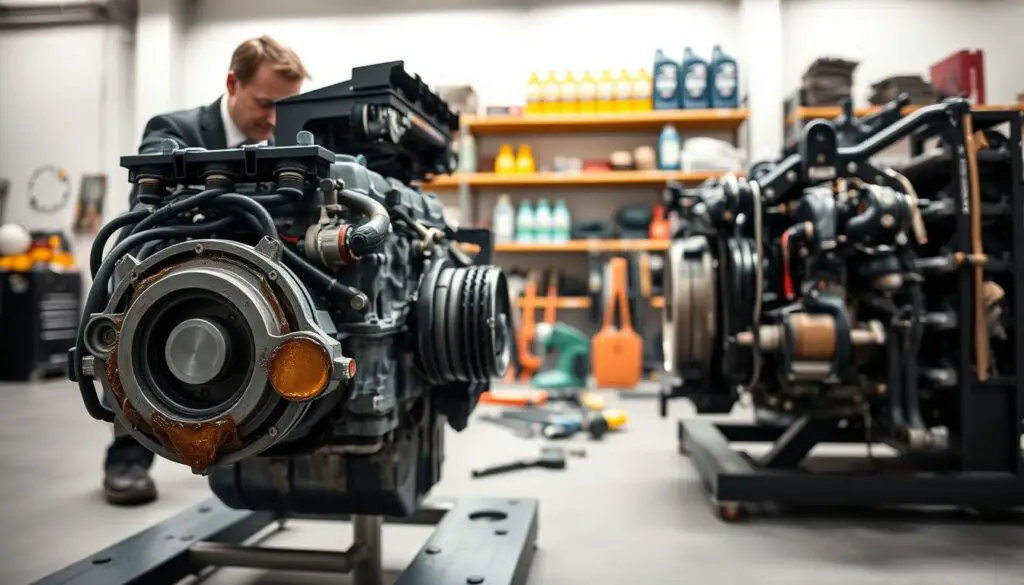
- Check the dipstick for level and color.
- Watch for smell, visible smoke, or dashboard alerts.
- Address early—unresolved oil burning increases wear and repair cost.
Troubleshooting signs: smoke, lights, and oil level checks
Inspect exhaust color, dashboard alerts, and the dipstick to quickly judge how severe a problem might be. A visual check often flags issues before they worsen.
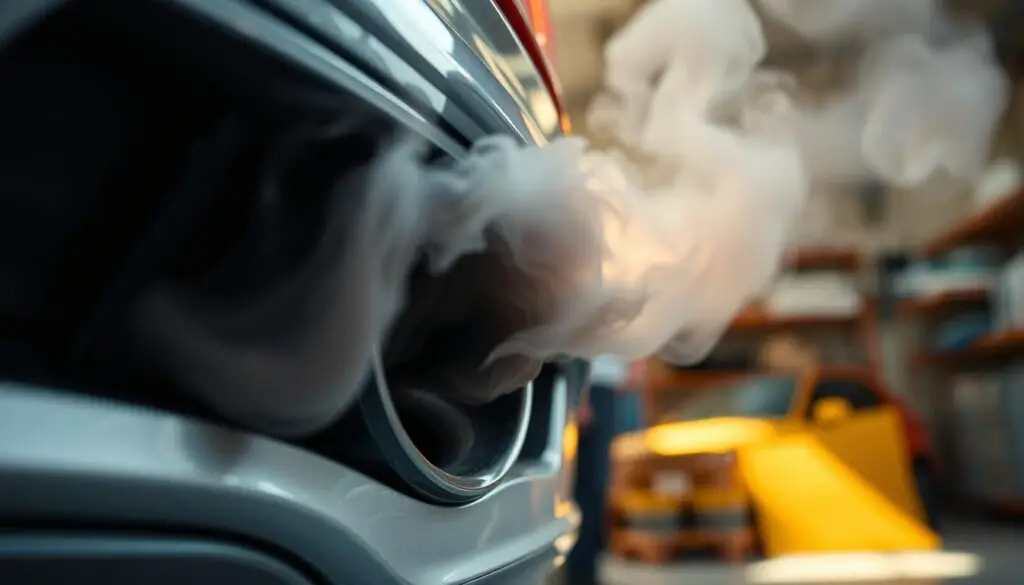
Blue or gray smoke from the exhaust
Blue or gray smoke at the tailpipe is a clear sign oil reaches combustion. That smell may arrive before you actually see smoke. This differs from white condensation steam after cold starts.
Oil light or check engine light
An illuminated oil or check engine light can indicate low pressure or restricted flow. Do not ignore a persistent light; driving under these conditions risks severe wear or shutdown.
Reading the oil dipstick
Park level, wait a few minutes, pull and wipe the dipstick, then reinsert. Confirm the oil level sits between the marks and note the color and texture.
| Sign | Likely cause | Quick action |
|---|---|---|
| Blue/gray exhaust smoke | Valve seals or rings letting oil past | Document when you see smoke; inspect further |
| Burnt smell or puddles | External leaks at gaskets or seals | Check underside for wet areas; repair leaks |
| Thick, tar-like oil | Overheated or contaminated lubricant | Plan oil change and diagnostic check |
Track mileage between top-ups to quantify oil consumption. Clear notes help technicians spot whether seals, rings, or other parts need repair.
Common Volvo causes of high oil consumption and oil burning
A short list of recurring faults explains most cases of rapid oil consumption and blue-gray exhaust emissions.
Worn piston rings and cylinder wear
Worn piston rings and scored cylinder walls reduce sealing. This lets oil pass into the combustion chamber and raises oil consumption.
Failing valve guide seals
Heat and age harden valve seals. When they crack or shrink, oil leaks into intake runners and often shows as smoke after idle or on startup.
Turbocharger seal leaks on T models
On turbo cars, failing turbo seals send oil into the compressor or turbine. Oily charge pipes or oil in the intercooler point to this issue.
PCV system faults
A clogged crankcase separator or blocked lines raises crankcase pressure. That forces mist past seals and rings into the intake and speeds consumption.
Gaskets, filters, and external leaks
Damaged head gaskets, poor filter fitment, or aged gaskets and hoses cause sump loss that can mimic burning. Track symptoms and check for wet spots.
Diagnostic clues: oily charge pipes suggest turbo trouble; heavy smoke under load points to ring or cylinder wear; smoke on overrun with high vacuum suggests valve area leakage.
Preventive care helps: timely oil changes, correct oil spec, and scheduled PCV service reduce wear and lower the chance of recurring issues. For related repair notes see Volvo D16 engine problems.
Diagnosis and fixes: from DIY checks to professional Volvo service
A clear baseline for consumption makes every next diagnostic step simpler.
Top off to the correct level, reset a trip odometer, and record miles per quart. This gives a measurable starting point for tracking oil consumption and guiding repairs.
Perform basic visual checks under the car and around the engine for leaks. Look for puddles, wet gaskets, or a burnt smell that can signal external leaks or contact with hot parts.
Step-by-step checks
- Use the dipstick before and after a test drive to confirm level changes.
- Inspect intake and charge pipes for oily residue — a sign of PCV or turbo leaks.
- Note when you see smoke: startup, idle, or under load to narrow the cause.
Repair paths
Common fixes include valve stem seal replacement, piston rings and cylinder work, turbo seal service, and full oil and filter change to remove contamination or misfitted parts.
When to stop driving
Stop immediately if an oil light or low pressure warning appears, the level drops rapidly, or heavy, persistent smoke develops. Continued driving risks bearing damage, turbo failure, or exhaust system harm.
| Symptom | Probable cause | DIY check | Professional service |
|---|---|---|---|
| Blue/gray exhaust smoke | Valve seals or rings | Note when smoke appears; check PCV | Valve seal or piston/ring repair |
| Oily residue in intake | PCV fault or turbo seal leak | Inspect charge pipes | PCV cleaning or turbo rebuild |
| Rapid level drop | External leaks or internal consumption | Check undercarriage for puddles | Gasket replacement or internal diagnosis |
Conclusion
Persistent blue-gray exhaust or frequent top-ups signal a problem that needs prompt attention.
Oil entering combustion shows as smoke and a burnt scent. Left unchecked, this can reduce power and raise repair costs.
Likely culprits include worn valve seals, failing rings and cylinders, turbo seal leaks, a faulty PCV, or external gasket failures. Verify consumption, check for visible leaks, inspect the PCV, and note when smoke appears.
Acting quickly limits collateral damage and protects emissions gear. If you see repeat smoke or need frequent top-ups, schedule professional diagnosis to find the root cause and plan the most efficient repair for your car and engine.
FAQ
What are the common causes of a Volvo engine burning oil?
Worn piston rings, cylinder wall wear, failing valve guide seals, and a faulty PCV system are frequent culprits. Turbocharged models can leak oil past turbo seals into the intake or exhaust. External gasket or seal leaks can also mimic consumption by losing oil outside the engine.
How can I tell from exhaust smoke whether oil is being burned?
Blue or gray exhaust smoke on startup or while driving usually signals oil entering combustion chambers. Black smoke points to rich fuel mixtures. White steam indicates coolant. Note when smoke appears—startup, acceleration, or steady cruise—to narrow down causes.
Which dashboard lights indicate oil-related problems?
The oil pressure light warns of low oil pressure, which can mean rapid oil loss or internal engine wear. The check engine light can record misfires or emissions faults tied to oil burning. Don’t ignore either—both call for prompt inspection.
How should I check oil level and condition with the dipstick?
Park on level ground, let the engine sit a few minutes, then pull the dipstick, wipe, reinsert, and read. Low level signals consumption or leaks. Milky discoloration suggests coolant contamination. Thick, gritty, or very dark oil with a burnt smell needs an oil and filter change and further diagnosis.
Can a clogged PCV system cause high oil consumption?
Yes. A blocked or faulty PCV valve raises crankcase pressure, pushing oil past seals and into the intake. That leads to blue smoke and increased consumption. Inspect and replace PCV components as part of routine maintenance.
How do turbocharger seal leaks affect oil consumption on T models?
Turbo seals can wear and allow engine oil to pass into the intake or exhaust housing. You may see bluish smoke, oil residue in the intercooler or piping, and unexplained oil loss. Turbo rebuild or replacement fixes the leak source.
When should I perform DIY checks versus seeking professional service?
Start with basic checks: dipstick level, visible leaks, smoke type, and PCV inspection. If you find low oil pressure, heavy continuous smoke, coolant contamination, or rapid oil loss, stop driving and take the car to a Volvo technician for compression, leak-down, and turbo diagnostics.
What repairs typically stop oil burning and reduce consumption?
Fixes range from simple to major: replacing PCV parts, valve seals, gaskets, and oil cooler lines; rebuilding or replacing turbochargers; and, in severe wear, engine rebuilding with new piston rings or cylinder work. Regular oil and filter service helps prevent premature problems.
How often should oil level be checked to avoid damage?
Check oil at least once a month and before long trips. For vehicles with known consumption, check weekly. Low oil can cause severe engine damage, dropped oil pressure, and bearing failure, so prompt topping and repair are essential.
Can using the wrong oil grade cause burning or increased consumption?
Using too-thin oil can increase consumption on worn engines and reduce oil pressure. Too-thick oil may cause poor circulation at cold start. Always follow Volvo’s recommended viscosity and oil specifications to maintain sealing and protection.
Will an oil change stop blue smoke immediately?
Sometimes fresh oil reduces visible smoke for a short time, especially if old, degraded oil contributed. However, blue smoke caused by worn rings, seals, or turbo leaks will return until the underlying repair is made.
What are signs of external leaks versus internal burning?
External leaks leave oil puddles, wet spots on the engine, or oil on undercarriage components. Internal burning shows blue smoke, rising oil consumption without puddles, and oil residues in the intake/exhaust systems. Both can coexist, so inspect carefully.
How much oil consumption is acceptable before repairs are needed?
Small top-offs between services can be normal on older engines, but losing more than one quart every 1,000 miles or sudden increases in consumption warrants diagnosis. Check your owner’s manual and consult a Volvo technician for borderline cases.
Could a clogged oil filter or wrong filter cause burning?
A clogged filter limits oil flow and pressure, which can accelerate wear and indirectly increase consumption. Using the wrong filter may affect bypass valve operation. Replace filters on schedule with manufacturer-recommended parts.
Are there temporary fixes to reduce oil burning until repairs are done?
Short-term measures include using an oil with the correct viscosity, performing a full service, and replacing the PCV valve. Oil additives or thicker oils offer mixed results and can mask symptoms. Use them cautiously and seek permanent repairs promptly.