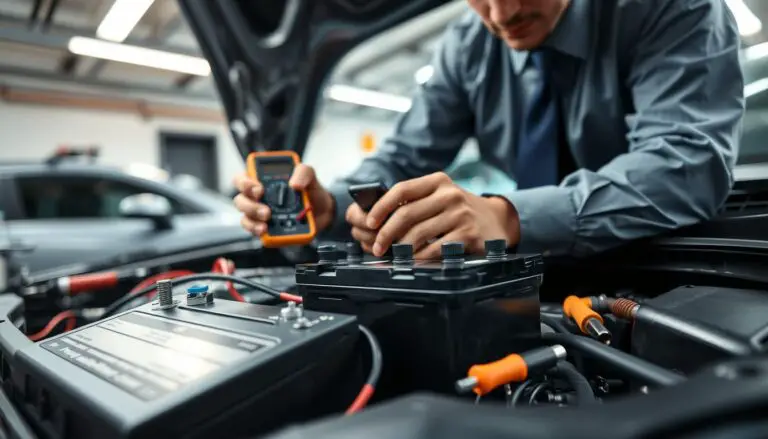

Facing a persistent low battery warning can interrupt daily driving and raise concerns about the vehicle electrical system. Modern Volvos often flag this alert when voltage dips, even after the main battery gets replaced. Community support from the Volvo Owners Club shows many members report the same message and seek quick answers.
Common culprits include a failing alternator or a BMS sensor that misreads voltage. Both parts help keep the battery charged and the engine electronics stable. Diagnosing the issue early can prevent further electrical faults and reduce repair time.
Before diving into repairs, check warranty status and contact your local dealer if coverage applies. This guide walks through how the main battery, alternator, and sensor interact and offers practical steps to resolve the problem today.
Key Takeaways
- Dashboard alerts often reflect voltage drops, not just battery age.
- Replacing the main battery may not stop the message; check the alternator and BMS sensor.
- Forum members report this as a common issue; community tips can help triage.
- Verify vehicle warranty before performing complex service or repairs.
- Early diagnosis reduces time, cost, and the chance of related electrical failures.
Why is my Volvo car showing “Low Battery” warnings?
Voltage monitoring in modern vehicles protects the starter and key systems. When the system detects a weak charge it will cut power to accessories so the engine can still start.
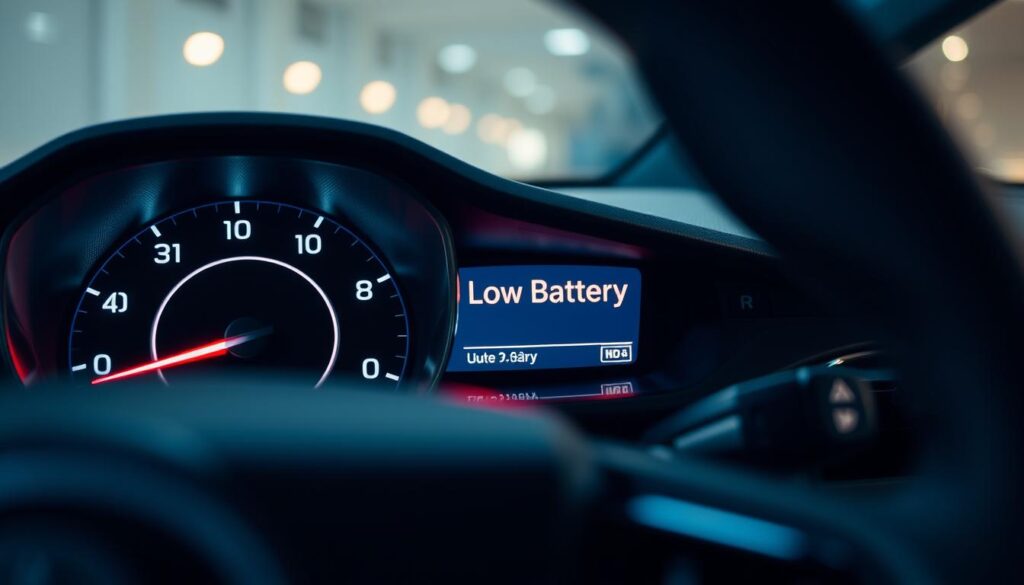
Light use and time parked matter. A Volvo XC70 with only 40,000 miles can still trigger a low battery message after several days of little or no driving. Leaving lights or the radio on for a few minutes with the engine off often causes the same result.
- The system may disable radio or other items to preserve enough charge for the engine.
- Short trips or long idle periods give the alternator too little time to restore voltage.
- If the warning light appears after days parked, a longer drive or a targeted recharge may clear the alert.
Quick tip: Consult the owner’s manual for support steps and service intervals. Proper voltage checks help prevent repeated low battery warnings and protect the electrical system.
Common Causes of Electrical System Alerts
Electrical alerts often trace back to worn components or hidden drains that reduce usable voltage. These messages can appear even after the main battery has been replaced. Quick checks help narrow the problem before scheduling service.
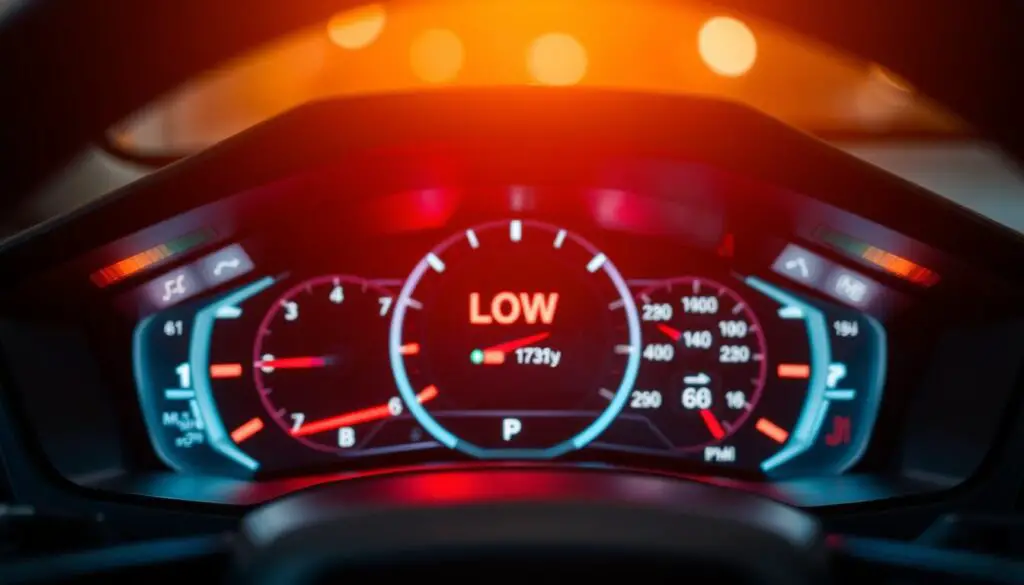
Aging Battery Components
Most batteries last about three to five years. After that span, the main battery may struggle to hold a full charge for the engine and accessories.
If a battery is seven years old or more, it is often the primary reason for a persistent low battery message. Corroded terminals or loose posts also block proper charging and mimic other faults.
Parasitic Power Drains
Hidden drains can sap power while the vehicle sits. Faulty modules, a malfunctioning satellite unit, or software glitches may draw current for long periods.
Volvo issued technical guidance about modules that pull power; this may fall under warranty support for some owners. A targeted voltage test will spot steady drains fast.
| Cause | Symptom | Quick check |
|---|---|---|
| Aging battery | Repeated low battery warning, slow starts | Check battery date and test CCA |
| Faulty alternator | Voltage below 12.5–14V while running | Measure charging voltage at terminals |
| Parasitic drain | Voltage falls when parked for days | Perform parasitic draw test with fuses |
| Corroded connections | Intermittent charging issues | Inspect and clean posts and clamps |
Immediate Troubleshooting Steps for Drivers
Quick in-car steps can often clear a transient low battery message without tools. First, keep the engine running for at least fifteen minutes so the alternator has time to restore charge. This helps when short trips or long idle periods cause low voltage.
Reduce load by turning off non-essential things like phone chargers, interior lights, and the radio. That lowers draw on the battery system and gives the alternator a better chance to recover voltage.
Try a simple restart: turn the engine off, wait a short time, then turn engine back on. This can clear a fleeting warning or message tied to a temporary glitch.
- If the warning persists throughout the day, get the battery tested at a local auto service center.
- Driving for about thirty minutes often resolves issues caused by short trips or infrequent use.
- Always confirm the engine running state is stable before further diagnostics on the charging system.
When in doubt, seek support from a qualified technician to check alternator output and parasitic drains. Early checks save time and prevent a repeated problem later.
Resetting the Battery Monitoring System
Resetting the BMS can refresh stored readings and often clears a persistent low battery warning when the main battery is healthy. This short process helps the system learn the current charge state and can prevent unnecessary repairs.
Manual Sensor Reset Procedure
- Start the engine and let it idle so the alternator and charging system reach normal voltage.
- Locate the battery near the firewall and find the yellow BMS sensor cable.
- With the engine running, carefully disconnect the sensor cable for at least 10 seconds to reset the module.
- Reconnect the cable, then turn engine off and lock the car. Leave it locked for one hour to allow the system process to complete.
Note: This manual reset procedure often clears the low battery message if the battery itself is in good condition. If the warning repeats, contact qualified service to calibrate the BMS sensor to the correct voltage for your specific car.
- Tip: Perform this reset only when it is safe to have the engine running for several minutes.
- If the problem continues, a diagnostic check can reveal sensor faults or a charging problem.
Best Practices for Charging Your Battery
Small changes in how you charge and maintain the main battery reduce the chance of voltage problems. Follow clear steps to keep the charging system healthy and avoid dashboard alerts.
Using Chassis Earth Points
Always connect chargers like the CTEC MXS5.0 to a chassis earth point rather than the terminals. This protects the monitor and ensures accurate readings.
Avoiding Direct Terminal Connections
Do not attach the negative lead to the battery posts directly. Bypassing the sensor can trigger a false message and confuse the charging process.
Maintaining Charge Levels
Volvo guidance recommends at least 15 minutes of driving per week to help the alternator keep the main battery healthy. Use a trickle charger if trips run short.
- Use a dedicated earth point to let the system track charge changes.
- Secure cables and terminals to avoid loose connections that reduce voltage.
- Check voltage regularly and follow the charger manufacturer’s process.
| Action | Why it matters | Quick tip |
|---|---|---|
| Connect to chassis earth | Prevents sensor bypass and protects electronics | Find welded earth near battery mount |
| Avoid negative on posts | Stops false charging reports | Clip to body bolt instead of terminal |
| Weekly drive or trickle | Keeps voltage stable and alternator working | Drive 15 minutes or use smart charger |
When to Seek Professional Service
If a dashboard message remains after you install a new battery, book a professional diagnostic. A trained tech will test the alternator, the BMS sensor, and the charging system for hidden faults.
A two-year-old pack can still trigger a warning when the sensor or alternator fails. Don’t ignore repeated alerts that last for several days.
For vehicles more than seven years old, schedule a full electrical inspection this month. Aging wiring and worn components raise the risk of parasitic drains and voltage loss.
Pro service centers run focused diagnostics and load tests. They find steady drains, faulty terminals, and sensor faults faster than DIY checks. Always confirm warranty coverage before authorizing repairs to avoid unnecessary expense.
Quick advice: If the message returns after short drives of just a few minutes, seek shop-level support to keep the engine and vehicle safe on the road.
| Sign | When to call service | What the shop will test |
|---|---|---|
| Persistent dashboard alert | After replacement or repeated days of faults | Alternator output, BMS sensor, voltage under load |
| Warning returns after short drives | Within a week of notice | Parasitic draw, terminal condition, charging process |
| Vehicle older than 7 years | Book inspection this month | Full wiring check, module diagnostics, warranty review |
Conclusion
Acting on an electrical warning the same day often prevents bigger faults later. Follow the simple checks and resets outlined above to spot minor issues fast.
Keep the battery healthy with regular charging and secure connections. Drive weekly or use a smart charger when trips are short to maintain voltage for each day of use.
If a persistent message appears after these steps, book professional service to test the alternator and sensors. Proper care extends the life of your car and avoids surprise failures.
Thanks for reading. We hope these tips help you stay on the road with confidence.
FAQ
What does a “Low Battery” alert mean on the dashboard?
The message signals the vehicle’s battery management system detects low main battery voltage or a charging-system fault. It can appear if the battery state of charge is low, the alternator isn’t charging, terminals are loose or corroded, or a sensor/signal is out of range. Address it quickly to avoid a no-start condition.
Can a nearly new battery still trigger the alert?
Yes. A new battery may show a warning if it wasn’t fully charged at installation, a poor terminal connection exists, the charging system has a fault, or the battery management sensor wasn’t reset. Always verify voltage and cable condition after fitting a replacement.
How can I tell if the alternator is the problem?
With the engine running, measure voltage across the main battery terminals. Normal charging voltage is roughly 13.5–14.7 volts. Lower readings suggest alternator or belt issues. Dimming lights, a battery light, or electrical accessories failing while driving also point to charging faults.
What immediate steps should I take when the warning appears while driving?
Turn off nonessential electrical loads (radio, heated seats, rear defog), avoid long idling, and drive to a safe location or service center. If the engine stalls or warning lights increase, park safely and contact roadside assistance. Prioritize protecting the main battery until you can test the charging system.
How do parasitic drains cause the alert overnight?
Parasitic drain occurs when accessories or modules draw current with the vehicle off. Examples include aftermarket audio, faulty modules, or intermittent faults in lighting or control units. Overnight drain lowers the battery state of charge and can trigger low-voltage warnings the next day.
Can corroded or loose terminals trigger the battery monitor?
Absolutely. Poor connections raise resistance and reduce charging efficiency, so the BMS can register low voltage even with a healthy battery and alternator. Clean terminals, tighten clamps, and check earth points to restore reliable readings.
Is there a recommended order for troubleshooting at home?
Yes. Check visible connections and ground points first, measure rest and running voltages, inspect the serpentine belt for wear, and scan for stored fault codes if you have a reader. If voltages are out of range or codes indicate charging faults, seek professional diagnosis.
How do I reset the battery monitoring system after replacing the battery?
Many Volvos require a battery registration or reset in the vehicle’s service menu so the BMS recognizes the new unit and adjusts charging strategy. Some models allow a manual sensor reset procedure, but using an OBD-II tool or dealer/service scan tool ensures correct registration.
What’s the manual sensor reset procedure I can try?
Procedures vary by model year, but a basic step is disconnecting the negative terminal for several minutes, reconnecting, then starting the vehicle and letting it idle to recalibrate the system. However, this does not replace proper battery registration. Consult the owner’s manual or service bulletin for the exact sequence.
Can I jump-start or charge via direct terminal clamps safely?
Use caution. Volvo recommends using a chassis earth point for the negative connection rather than clamping directly to the negative battery post to reduce risk to sensitive electronics. Follow the owner’s instructions for jump-starting and charging to avoid damage to the battery management system.
How long should I charge a low battery before expecting the alert to clear?
Charging time depends on the battery charge level and charger type. A fast boost may allow starting, but a full recharge on a smart charger could take several hours. After a full charge, the BMS may need a short drive cycle to update the state-of-charge and clear warnings.
When does this become a service visit rather than a DIY fix?
Seek professional service if voltage measurements show persistent undercharging, the alternator or regulator needs replacement, fault codes appear, or the vehicle requires battery registration. Also consult a technician if symptoms recur after a new battery or if electronics behave erratically.
Could a bad battery sensor or BMS cause false alerts?
Yes. A faulty battery sensor, wiring fault, or software error in the battery management system can trigger incorrect low-voltage warnings. Diagnostics with proper Volvo-compatible scan tools will identify sensor faults and allow safe replacement or reprogramming.
How do environmental factors and age affect these alerts?
Cold temperatures reduce battery cranking capacity and increase the chance of low-voltage messages, while heat accelerates battery wear. Typical lead-acid batteries age over 3–6 years depending on use. Regular testing and maintenance help prevent unexpected alerts.
Are there warranty or recall considerations for repeated battery messages?
Check your vehicle warranty and service history. Repeated faults due to manufacturing defects in charging components or control modules may be covered. Deregistered or aftermarket batteries can affect coverage, so keep receipts and service records for any claims.