
Volvo has long been synonymous with durability and longevity, with many owners proudly driving their vehicles well beyond the 200,000-mile mark. When it comes to rust protection, however, there’s considerable debate among Volvo enthusiasts about whether additional rustproofing is necessary for newer models. This article explores Volvo’s factory rust protection, official recommendations, and practical advice for keeping your Volvo corrosion-free for years to come.
Volvo’s Factory Rust Protection: What’s Already Built In
Modern Volvos come with comprehensive factory rust protection that’s significantly more advanced than what was available in older models. Understanding these built-in protections helps owners make informed decisions about additional rustproofing.

Advanced Materials and Coatings
Today’s Volvo vehicles utilize high-strength galvanized steel for most body components. This process involves coating steel with layers of zinc, creating a sacrificial barrier that corrodes before the underlying steel can be affected. Volvo applies multiple protective layers to their vehicles:
- Zinc-galvanized steel panels for primary body components
- Electrophoretic primer coating applied through immersion
- Multiple layers of paint with clear coat protection
- Underbody protective coatings on vulnerable areas
- Wax injection in critical cavity areas prone to moisture accumulation
These factory treatments provide significant protection against the elements, particularly in moderate climates where road salt usage is minimal.
Volvo’s Official Stance on Aftermarket Rustproofing
Volvo’s position on additional rustproofing has evolved over the years. While older owner’s manuals and dealer communications often discouraged aftermarket treatments, the current stance is more nuanced.
What Volvo Dealers Say
Most authorized Volvo dealers maintain that additional rustproofing is unnecessary for normal driving conditions. As one dealer representative stated in a forum discussion, “rustproofing is useless on modern Volvos” for typical usage. This position is based on confidence in the factory protection systems and the comprehensive corrosion warranty that comes with new Volvo vehicles.
“Modern cars’ bodies are rustproofed from the factories. If you’re planning on leaving it in a salt bed then I suppose an aftermarket spray undercoating may help, but you will be hard-pressed to even find a shop that does this anymore.”
Warranty Considerations
Volvo provides a 12-year corrosion warranty on most models, covering rust perforation (rust that creates a hole through the body panel). This warranty demonstrates Volvo’s confidence in their factory protection. However, it’s important to note that surface rust and cosmetic corrosion are typically not covered.
Aftermarket Rustproofing: Benefits and Drawbacks
Despite Volvo’s confidence in their factory protection, many owners still consider aftermarket rustproofing, especially those living in harsh winter climates where road salt is heavily used.
Potential Benefits
- Additional protection in extreme winter conditions with heavy salt usage
- Extended protection for vehicles kept beyond the 12-year warranty period
- Protection for older Volvo models (pre-2010) with less advanced factory treatments
- Peace of mind for owners in coastal areas with high salt air exposure
- Potential preservation of resale value in rust-prone regions
Potential Drawbacks
- Risk of clogging factory-designed drainage holes
- Possible trapping of moisture and salt, potentially accelerating corrosion
- Unnecessary expense for vehicles in mild climates
- Some treatments require annual reapplication
- Improper application can void aspects of vehicle warranty
Popular Rustproofing Options for Volvos
Based on Volvo owner forums and professional recommendations, several rustproofing products and services have gained popularity among the Volvo community:
Fluid Film
A lanolin-based product that many Volvo owners apply themselves. It creates a protective barrier that doesn’t harden and helps prevent moisture from reaching metal surfaces. Requires annual reapplication.

Krown
A professional service popular in Canada and northern US states. Uses a thin oil-based formula that penetrates seams and provides protection without clogging drain holes. Annual application recommended.
Lanoguard
A newer lanolin-based product gaining popularity among Volvo owners. Creates a waxy protective coating that doesn’t fully harden. Some owners report it collects dirt more easily but provides good protection.
Ready to Protect Your Volvo?
Find quality DIY rustproofing products recommended by Volvo owners for long-term protection.
Model-Specific Rustproofing Considerations
Volvo’s rust protection has evolved significantly across different generations of vehicles. Here’s what owners of specific model years should consider:
| Model Years | Factory Protection Level | Rustproofing Recommendation | Special Considerations |
| Pre-2000 Models | Basic | Highly recommended | Focus on underbody, wheel wells, and door bottoms |
| 2000-2010 Models | Improved | Recommended in salt-heavy regions | Check drain holes regularly for blockages |
| 2010-2018 Models | Advanced | Optional in extreme conditions | Focus on preserving factory protection |
| 2018+ Models (SPA Platform) | Comprehensive | Generally unnecessary except in extreme conditions | Regular washing more important than additional treatments |
“At 180,000 kms, my 2018 S90 was definitely showing beginnings of rust at the bottom of the doors and around minor chips. Steel is steel. When hit by gravel/rocks, it inevitably starts to rust. Some cars are better prepared against it, but in the end… our Quebec winters are an absolute hell on cars.”
Practical Rust Prevention for Volvo Owners
Regardless of whether you choose additional rustproofing, these maintenance practices will help protect your Volvo from corrosion:
Regular Maintenance Practices
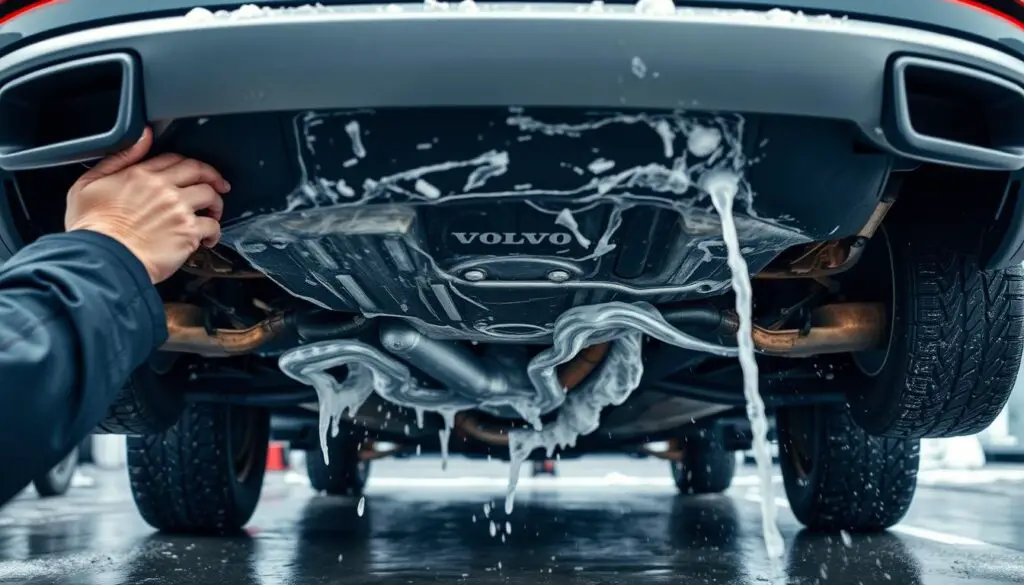
- Frequent washing in winter: Wash your Volvo every 1-2 weeks during winter months, with special attention to the undercarriage to remove salt buildup.
- Spring cleaning: Do a thorough underbody wash at the end of winter to remove all salt residue.
- Keep drain holes clear: Regularly check and clear drain holes in doors and body panels to prevent water accumulation.
- Garage storage: When possible, store your Volvo in a garage to protect it from the elements.
- Prompt paint touch-ups: Address chips and scratches quickly to prevent moisture from reaching the metal beneath.
Climate-Specific Recommendations
- Heavy salt regions (Northeast US, Canada): Consider annual oil-based protection like Fluid Film or Krown.
- Coastal areas: Focus on regular washing to remove salt air deposits, with optional cavity wax treatment.
- Moderate climates: Factory protection is generally sufficient with regular maintenance.
- Year-round warm climates: Additional rustproofing rarely necessary; focus on paint protection instead.
Pro Tip: The “Cold Garage” Advantage
Several Volvo owners note that storing vehicles in unheated garages during winter can be beneficial for rust prevention. When a salt-covered car enters a heated garage, the warming accelerates the corrosive process. An unheated garage keeps the salt less active while still protecting the vehicle from additional snow and ice.
Frequently Asked Questions About Volvo Rustproofing
Will aftermarket rustproofing void my Volvo warranty?
Properly applied aftermarket rustproofing should not void Volvo’s corrosion warranty. However, if the application blocks factory-designed drainage holes or causes other issues that lead to rust, warranty claims might be denied. It’s best to use reputable services familiar with Volvo vehicles and to document the condition before application.
How often should rustproofing be reapplied to a Volvo?
This depends on the product used. Oil-based products like Fluid Film and Krown typically require annual reapplication. Thicker, wax-based products may last 2-3 years. Lanolin-based products like Lanoguard generally need annual reapplication but may last longer in moderate climates.
Is DIY rustproofing effective for Volvos?
Many Volvo owners successfully apply products like Fluid Film themselves. The key is thorough preparation, including cleaning the undercarriage and ensuring access to critical areas. DIY application works best for oil-based products that don’t require special equipment. For cavity wax application, professional service is often more effective.
What areas of a Volvo are most prone to rust?
Common rust-prone areas on Volvos include the bottom edges of doors, wheel arches, subframe components, and areas where panels join together. On older models, rocker panels and trunk/hatch edges can also be vulnerable. Modern Volvos have better protection in these areas but can still develop issues in extremely harsh conditions.
Conclusion: Is Rustproofing Necessary for Your Volvo?
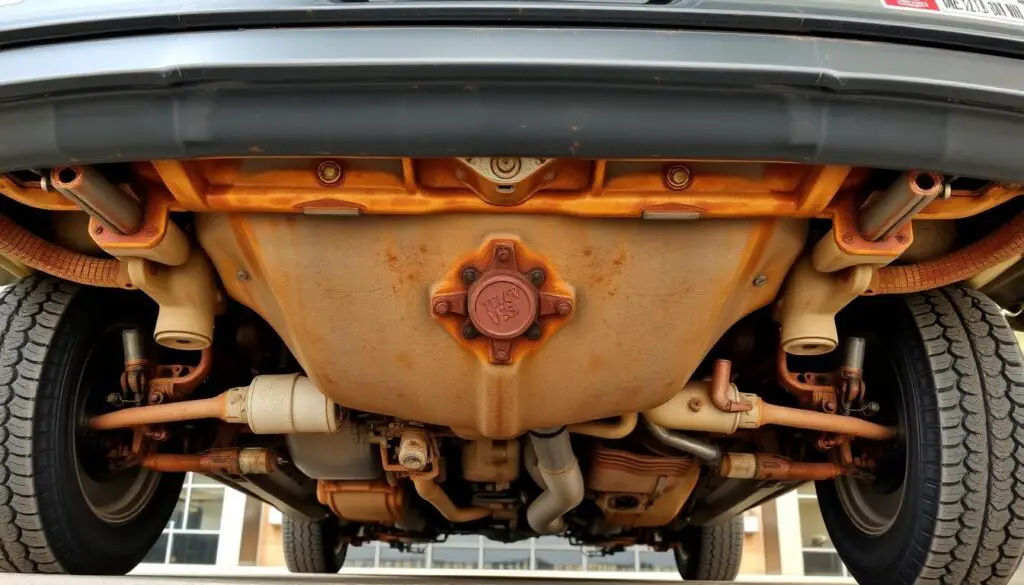
The decision to apply additional rustproofing to your Volvo ultimately depends on several factors:
- Climate and driving conditions: Owners in heavy salt regions or coastal areas may benefit from additional protection.
- Vehicle age: Newer Volvos (especially 2018+) have excellent factory protection, while older models may need supplemental treatments.
- Ownership duration: If you plan to keep your Volvo beyond the 12-year corrosion warranty, additional protection may be worthwhile.
- Storage conditions: Vehicles regularly stored outdoors in harsh climates benefit more from additional protection.
While Volvo’s factory rust protection is among the best in the industry, the reality is that steel remains vulnerable to corrosion under the right conditions. Regular maintenance, including thorough washing and prompt repair of paint damage, remains the most important factor in preventing rust regardless of whether you choose additional rustproofing.
For most Volvo owners in moderate climates who follow good maintenance practices, factory protection is sufficient. Those in extreme winter environments or who plan to keep their vehicles for many years may find value in supplemental rustproofing as preventative insurance against future corrosion issues.