
Why is my Volvo stalling at stoplights? This question points to a common idle or low-speed shutoff that can come from several systems. Most often the engine idles too low or a heavy load from the A/C compressor or alternator drags the motor down. Fuel mixture that’s too rich or too lean can also play a role.
Stalling can be intermittent and may not trigger a warning light. That makes careful symptom tracking essential. Note whether the condition happens hot or cold, with A/C on, after refueling, or during slowdown.
In this guide you’ll get clear, step-by-step checks to try at home, plus the tests that need tools—like a fuel pressure check—and advice on when to schedule professional service. The goal: diagnose by symptoms, avoid random part swaps, and keep safety front and center.
Key Takeaways
- Idle shutdowns often stem from low idle speed or added load from A/C or charging circuits.
- Track conditions (temperature, load, recent fill-ups) to narrow likely systems.
- Quick home checks can rule out simple causes before tool-based tests.
- Some faults are sudden spark or fuel cuts; others are gradual load-related drops.
- When in doubt, schedule service to protect braking assist and steering feel in traffic.
What stalling at stoplights looks like and why it matters
Recognizing how a car behaves when it quits at an intersection helps you act fast and stay safe. Noting the exact pattern and any warning signs narrows down likely causes and guides whether you can do simple checks at home or need professional service.
Common stall patterns and what they suggest
Stall only at idle: The engine dies while sitting at a red light. You may hear a rough idle or see RPM dipping before the cut. This often points to idle control, air or fuel metering, or extra load from climate systems.
Stall during deceleration: The car falters when you slow to a stop. The symptom suggests transmission or torque-converter drag, a fueling lag, or idle control trouble as load changes.
Sudden shutoff while driving: An abrupt loss of power at speed usually feels like the key was turned off. This pattern often indicates ignition or electrical faults and needs prompt attention.
Safety steps if your vehicle stalls in traffic
- Turn on hazard lights right away and try a safe restart.
- Coast to the shoulder or a parking lot if the engine will not run smoothly.
- Document whether the issue happens with A/C or lights on, or after long idle time.
When to stop driving and schedule service
Stop driving when stalls repeat in traffic, the engine won’t restart, dash lights flicker, or overheating appears. In these cases, seek a mechanic and book service without delay.
| Pattern | Driver clue | Likely system |
|---|---|---|
| Idle-only | Rough idle, dipping RPM | Idle control, air/fuel mix, A/C load |
| Decel to stop | Stumble when slowing | Transmission/torque, fuel delivery, idle air |
| Sudden at speed | Abrupt shutdown, no warning | Ignition, electrical, fuel pump |
Why is my Volvo stalling at stoplights?
Observe the engine at idle under different loads to narrow the fault to charging, A/C, fuel, or air-control systems. A repeatable condition makes diagnosis far easier than swapping parts at random.
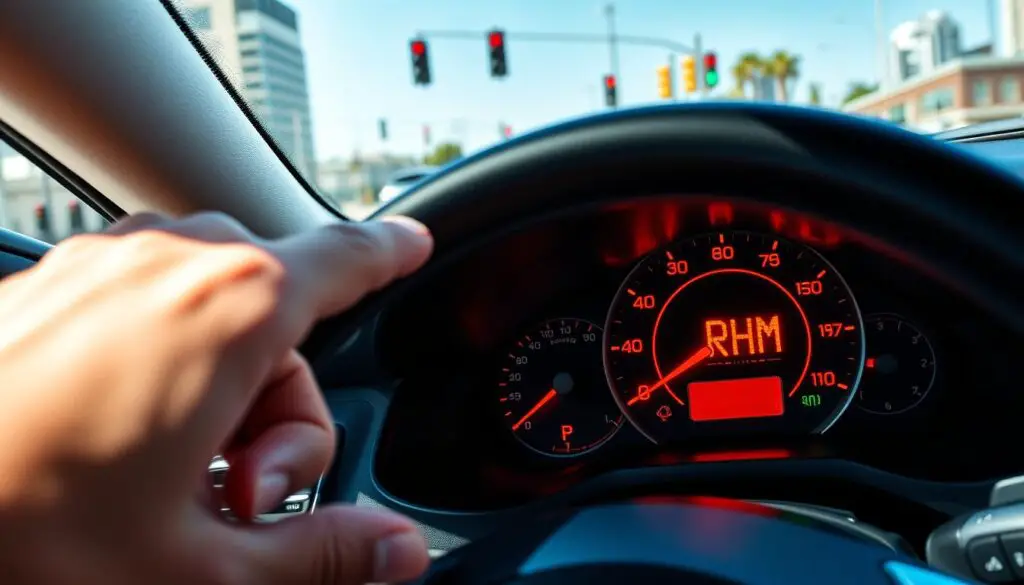
Idle load and rpm drops
Idle load means the engine has little momentum at a light. Any added load — A/C compressor, alternator demand, or heavy accessories — can pull rpm below a stable point and cause a shutdown.
A/C compressor drag and overcharge
If the issue appears mainly when the climate system engages, suspect compressor drag, a seized clutch, or an overcharged refrigerant condition that raises compressor effort.
Charging system, battery, and voltage effects
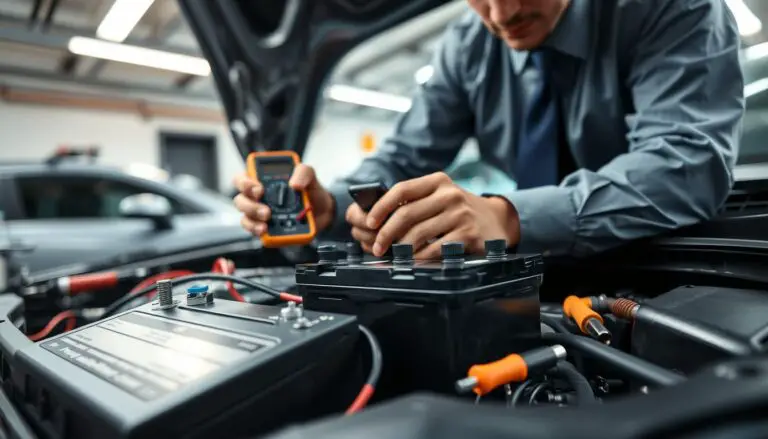
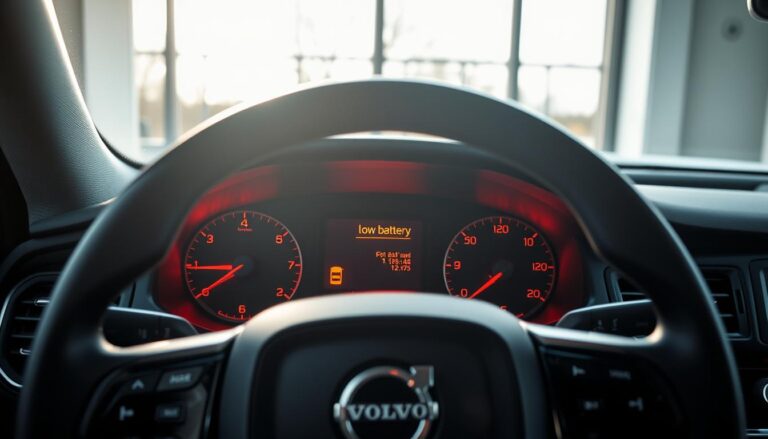
A weak battery forces the alternator to work harder, raising engine load. Low voltage also reduces ignition energy and injector performance. Aim for a charging reading around 13.5–14.5V at idle; lower values require testing.
Air-fuel balance at idle
An overly rich or lean mixture can make idle unstable even when highway driving seems fine. Small airflow or injector faults often show only at low rpm.
- Quick rpm checklist: note dips when the A/C clutch clicks in, when turning the wheel, or when headlights switch on.
- If repeats line up with accessory use or short trips, prioritize charging and A/C checks before fuel or ignition parts.
| Symptom | Driver clue | Likely cause |
|---|---|---|
| Idle dips with A/C | RPM falls when compressor engages | A/C compressor drag or overcharge |
| Stalls after short trips | Lots of accessories, weak starts | Weak battery / high alternator load |
| Unstable only at idle | Normal on highway, rough at lights | Air-fuel mixture, idle control, injectors |
Fuel system checks: fuel pressure, pump, filter, and fuel injectors
A methodical fuel inspection often finds the root cause quickly — pressure, pump, filter, or injectors. Start with simple steps you can do at home and move to a proper pressure test if needed.
How low pressure shows up at low rpm
At idle the engine has little momentum. A brief drop in fuel delivery can cause the motor to cut even though highway driving seems fine.
Quick key‑on prime and fuse checks
Turn the key to ON and listen near the tank for a short “buzz” from the pump. No buzz often means a blown fuse, bad relay, or a failing pump. Check those fuses and relays before replacing parts.
Injectors, filter sock, and contamination
Clogged fuel injectors spray unevenly and make idle erratic. A torn in‑tank filter sock can let debris into the pump, contaminating parts and causing intermittent failures over time.
Practical home checks vs. tool-based tests
- Verify fuel level and look for leaks or fuel odor.
- Listen for the pump buzz on key‑on and inspect fuses/relays.
- Note if the problem worsens when the tank is low.
If symptoms persist, use a proper fuel pressure test with the correct adapter for the rail. Confirm pump power and pressure before replacing costly parts; consider the in‑tank pump and filter sock when contamination is suspected.
Ignition, sensors, and air-control causes that kill the engine at a stop
Start with a simple split: spark versus fuel. Abrupt, key‑off‑like shutdowns usually mean a sudden loss of spark. Gradual bogging often points to air or mixture control problems.
Crankshaft position and ignition faults
A failing position sensor can cut spark instantly. That fault is often intermittent and unpredictable, producing sudden stalls during slowdowns.
Worn spark plugs, weak coils, or a faulty ignition switch also cause misfires and rough idle. Check plug condition and coil output before swapping major parts.
Sensors, throttle and idle control
Bad MAF or O2 sensor readings alter the air-fuel mix and make idle unstable. Carbon on the throttle body or a drifting throttle position reading confuses idle strategy and leads to RPM hunting.
A failed idle air control actuator cannot add bypass air when load changes. The result: immediate stall when the engine needs a bit more idle air.
Wiring, EGR, and transmission angle
Loose or corroded wires and connectors create momentary voltage loss that mimics expensive failures. A restricted EGR valve causes rough idle and sputter, which can lead to shutoff.
On automatics, torque‑converter problems or low fluid can prevent smooth low‑speed power transfer and cause the engine to die as you stop. If electrical checks pass, have the transmission checked by service.
Conclusion
If the engine cuts as you stop, treat safety first. Park safely and note the pattern, then narrow checks to charging/load, fuel delivery, ignition/sensor faults, and air-control items.
Common causes include idle/load management (A/C or alternator), low fuel pressure or a weak pump, sensor or coil cuts, and a dirty throttle or IAC. Wiring, EGR faults, or transmission torque‑converter issues also appear over time.
Actionable next steps: test A/C on versus off, listen for pump prime, check battery and charging voltage, and scan for codes or pressure readings before replacing parts.
If stalls repeat in intersections, show electrical warnings, or the car won’t restart reliably, call a mechanic and schedule service. Diagnosis may need a road test, ECU/TCM scan, and measured tests; inspection costs vary by location.
FAQ
What does stalling at stoplights typically look like and why should I care?
Stalling at idle usually shows as the engine cutting out when the vehicle is stopped or slowing to a stop. It matters because stalls create a safety risk in traffic, can damage catalytic converters, and often point to underlying fuel, ignition, or electrical issues that will worsen over time.
What common stall patterns help pinpoint the cause?
Patterns include stalls only at idle, stalls when decelerating, or sudden shutdowns while driving. Idle-only events point to air-control, throttle, or idle-speed regulation faults. Stalls during decel can signal vacuum leaks, EGR trouble, or fuel delivery dips. Random cutouts often indicate crankshaft sensor, ignition, or wiring faults.
What immediate safety steps should I take if the engine dies in traffic?
Move the vehicle out of traffic if possible, turn on hazard lights, shift to neutral and try restarting. If restart fails, set the parking brake, exit safely, and call for roadside assistance. Avoid steering while the engine is off at high speed; power steering and brakes may be reduced.
When should I stop driving and book professional service?
Stop driving if stalls are frequent, occur unpredictably at speed, or leave you stranded. Also seek service when the Check Engine Light stays on, there’s a strong fuel smell, or electrical systems behave oddly. Continued driving can worsen damage and increase repair costs.
How can low idle speed or extra accessory load cause shutdowns?
If idle speed is set too low, the engine may not recover when the alternator or A/C compressor adds load. That reduced rpm can cause rough running or a stall. Addressing idle control, cleaning the throttle body, or servicing the A/C clutch often restores torque reserve at idle.
Can the A/C compressor really make the engine stall when the system kicks on?
Yes. A seized or heavily loaded compressor spikes engine load at idle. Older or worn compressors and clutch issues can pull rpm down enough to shut the engine off, especially if idle control or spark timing is marginal.
How do charging system problems contribute to stalls at idle?
A weak battery or failing alternator can drop voltage under load, degrading ignition coil output and fuel injector pulse. That causes misfires and instability at idle. Voltage dips also affect electronic throttle and sensors, so test battery and alternator voltage under load.
What role does the air-fuel mixture play in idle stalling?
Running too rich or too lean at idle destabilizes combustion. Rich mixtures foul plugs and create rough idle; lean mixtures cause misfires and hesitation. Faulty MAF, O2 sensors, vacuum leaks, or injector issues commonly upset the idle air-fuel balance.
How does low fuel pressure lead to stalls at low speed but not on the highway?
Fuel demand is lower at highway cruising, so a weak pump or partially clogged filter can still supply enough pressure. At idle, pressure or regulator issues may cause inadequate spray or inconsistent injector flow, producing stalls only when speed is low.
What quick tests can reveal fuel pump problems at home?
Turn the key to ON and listen for a brief buzz from the rear fuel pump. If silent, check the fuel pump fuse and relay. Smell fuel or notice long crank times. For accurate diagnosis you’ll need a fuel pressure gauge to confirm pressure and regulator function.
Can dirty injectors cause intermittent stalling?
Yes. Clogged or partially blocked injectors spray unevenly, causing misfires and unstable idle. Cleaning or flow-testing injectors and replacing fuel filters can restore proper spray patterns and stop hesitation at idle.
When should a fuel pressure test tool be used?
Use a pressure gauge when pump noise is intermittent, when replacing the pump is considered, or when symptoms suggest regulator or return-line issues. A shop-grade test confirms pressure under static and key-on conditions and rules out electrical faults.
How can the crankshaft position sensor cause sudden engine shutdowns?
The crankshaft position sensor times spark and injection. If it fails or drops signal, the ECU cuts spark and fuel, causing an abrupt stall. Faults can be intermittent due to heat or wiring problems, so scan for related error codes and test sensor signal strength.
Could spark plugs or coils be the reason for rough idle and stalls?
Worn plugs, failing coils, or poor spark from a faulty ignition switch reduce combustion stability at idle. Replace aged plugs, inspect coils for cracks or carbon tracking, and check ignition wiring and connections for corrosion or looseness.
How do MAF and O2 sensor faults affect idle behavior?
A bad mass airflow sensor gives incorrect intake readings, so the ECU sets wrong fuel trims. Faulty oxygen sensors prevent closed-loop correction, letting the mixture drift rich or lean. Both cause rough idle and can trigger stalls when the engine is under small load changes.
What throttle body and TPS issues cause idle instability?
A sticky throttle plate, carbon buildup, or a bad throttle position sensor prevents precise idle control. The ECU can’t adjust air bypass or timing correctly, resulting in surging, stalling, or failure to recover from deceleration. Cleaning and recalibration often fix this.
What does the idle air control actuator do and how does it fail?
The idle air control (IAC) actuator meters bypass air to maintain rpm. If it sticks, jams, or loses electrical drive, the ECU can’t hold idle. Symptoms include fluctuating rpm, stalls after accessory use, and poor idle recovery. Replacement or cleaning usually resolves it.
Can wiring or connector issues cause intermittent stalls?
Yes. Loose, corroded, or damaged wiring to sensors, coils, or the ECU creates intermittent voltage loss or false signals. Inspect harnesses for chafing, check grounds, and test connector pins for corrosion or poor seated connections.
How does a clogged EGR valve lead to rough idle or stalling?
Carbon buildup in the EGR valve can over-vent lower rpm combustion, causing roughness and stalling at idle. Cleaning or replacing the EGR valve and passages restores proper flow and stabilizes idle behavior.
Could transmission problems cause shutdowns when stopping?
Yes. Torque converter lockup faults or low transmission fluid can create excessive driveline drag at low speed, forcing the engine to lug and potentially stall. Check transmission fluid level and condition, and have the torque converter inspected if symptoms point there.
What basic tests can I do at home before visiting a mechanic?
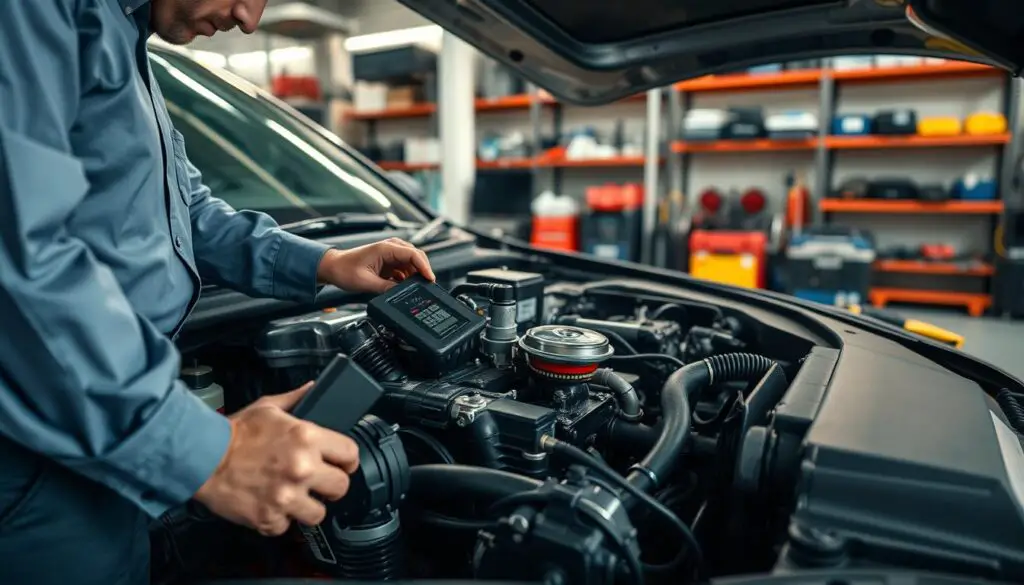
Check battery voltage and alternator output, listen for fuel pump operation at key-on, inspect fuses and relays, visually examine spark plug condition and wiring, and clean the throttle body and idle passages. If issues persist, a shop with diagnostic tools can perform fuel pressure and sensor tests.
When should I expect to replace parts like the fuel pump, crank sensor, or throttle body?
Replace the fuel pump if pressure tests low, the pump runs intermittently, or the filter is contaminated. Replace the crankshaft position sensor if it shows failed signal or fails under heat. Replace or service the throttle body and IAC when cleaning doesn’t restore stable idle or when sensors read out of spec.
Can simple maintenance prevent these stalling problems?
Yes. Regular maintenance—timely spark plug and filter changes, fuel system cleaning, battery and alternator checks, and throttle-body cleaning—reduces the chance of idle stalls. Address warning signs early to avoid breakdowns and higher repair bills.