
How do Volvo’s advanced safety features affect its resale value? This question guides many U.S. buyers weighing a safe reputation against real ownership costs.
Resale and resale value mean practical outcomes: trade-in offers, private-party sale prices, or dealer retail numbers. Condition, timing, and market trends decide which of those applies to a given car.
One side argues that top-tier safety tech and a trusted name lift demand at the point of sale. The other side notes higher initial price tags and costly repairs that can pull down long-term value.
This article will compare SUVs and sedans, plug-in hybrid and gas trims, and brand-to-brand results. You’ll learn where the safety reputation clearly helps, and where buyers care more about reliability and maintenance.
Key Takeaways
- Safety credibility can boost buyer interest at sale time.
- Real-world retention varies by model, trim, and condition.
- Higher repair costs may negate safety-driven demand.
- Compare SUV and sedan trends, plus hybrid vs gas outcomes.
- Perception of modern tech often raises perceived worth.
Why safety tech influences resale value in the U.S. used-car market
Modern driver aids and crash protection are front-line selling points for many used buyers.
Buyer priorities today: safety, reliability, and “modern technology” as value signals
Safety and perceived reliability drive search and test-drive behavior among family buyers and commuters. Shoppers want modern technology without new-car pricing.
Trust matters: newer systems signal an updated platform and lower perceived risk. That raises willingness to pay a higher price.
Safety reputation as a pricing lever for used cars and SUVs
SUV shoppers often value larger cabins plus protection systems. That combo boosts demand and supports stronger resale in the market.
“Average used selling price: $33,583 vs expected $29,287 — a $4,296 premium, per CoPilot Price Pulse.”
| Metric | Observed | Implication |
|---|---|---|
| Average selling price | $33,583 | Priced above expectation; strong demand signal |
| Expected price | $29,287 | Baseline for comparison |
| 30-day trend | Stable | Consistent interest from drivers |
| 90-day trend | Slight increase | Ongoing buyer confidence over years |
Ultimately, people pay for trust, not just a spec sheet. That trust converts into demand, and demand supports resale strength in this market.
How do Volvo’s advanced safety features affect its resale value?
Perceived engineering for safety and durability often becomes a deciding factor at trade-in or private-sale time.
Brand perception and hold
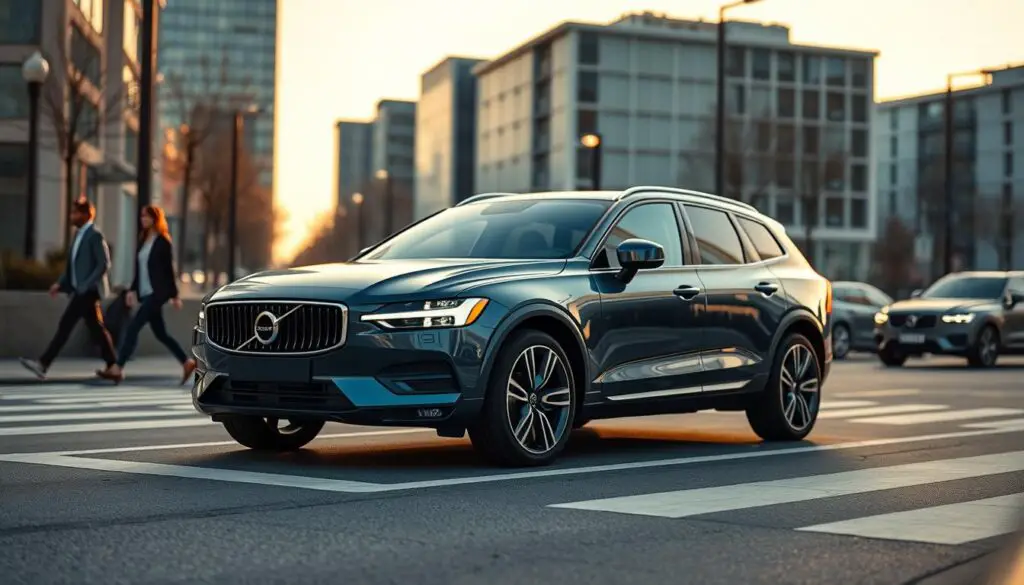
Volvo cars benefit from a long safety reputation and sturdy build quality. That trust acts like social proof. Shoppers assume protection systems and solid design reduce ownership risk.
Market reality check
Despite a strong reputation, depreciation can be mixed. Some models hold value well while others face steep drops compared with brands that dominate retention charts.
Where safety helps most — and least
Where it helps: families, luxury suv buyers, and people buying used who want fewer compromises. Scandinavian design and understated styling also age gracefully, aiding perception.
Where it helps least: when reports of issues, high maintenance costs, or complex systems outside warranty make buyers wary. In those cases, expected ownership expense can cap what someone will pay.
“Safety can raise willingness to pay, but ownership-cost expectations often set the ceiling.”
- Credibility from driver-assist systems supports demand.
- Design and build quality boost confidence for family use.
- Maintenance concerns may reduce resale premiums.
Volvo vs. other brands: resale value trade-offs beyond safety
When shoppers weigh models side-by-side, brand prestige and upkeep costs often sway the final offer more than crash-test scores.
Luxury-brand depreciation pressures vs. mainstream leaders
Luxury badges usually carry higher MSRPs, which creates more room to fall. That leads to faster depreciation for many premium vehicles.
Mainstream brands often hold value better because buyers focus on predictable costs and known reliability.
Technology trade-offs
New systems and infotainment can boost demand. But known glitches and sensor problems raise perceived risk for used buyers.
Total cost of ownership
Service access and maintenance costs shape the ownership experience. Limited dealer networks and pricey calibrations make buyers discount offers.
| Factor | Impact | Buyer focus |
|---|---|---|
| Brand prestige | Higher depreciation | Short-term appeal |
| Technology & systems | Higher desirability or risk | Feature parity vs reliability |
| Service / maintenance | Lower offers if costly | Access to dealers |
“Safety leadership helps, but total ownership math often decides the final choice.”
Model-by-model comparison: which Volvo models hold value best
Looking model-by-model reveals which vehicles protect purchase price best over five years. Below is a concise comparison that highlights where buyers see the strongest retention.
XC90 leads the pack
The volvo xc90 posts a 51.1% five-year retention per iSeeCars. That translates to roughly half the original price after five years, thanks to three-row practicality, premium interior materials, and steady SUV demand.
XC40: compact competitor that holds ground
The volvo xc40 sits at 51.0%. City-friendly size, desirable features, and premium-badge entry appeal keep price strong for buyers wanting comfort and modern design.
V90 Cross Country: niche but near-top
The wagon posts 47.9%. Its cargo utility and distinctive design attract a smaller audience willing to pay for versatility and interior comfort.
Sedans and plug-in hybrid drawbacks
Sedan retention trails: S60 at 42.98%, S90 at 40.35%, and the S90 plug-in hybrid at 33.8%. Complexity and softer sedan demand lower long-term price prospects.
- Takeaway: SUVs outperform sedans overall.
- Seats & interior: comfort helps, but segment demand sets final price.
“Body style and system complexity often explain the largest gaps in five-year retention.”
| Model | 5-year retention | Key reason |
|---|---|---|
| XC90 | 51.1% | Three-row SUV demand, premium interior |
| XC40 | 51.0% | Subcompact SUV appeal, city-friendly |
| V90 Cross Country | 47.9% | Wagon utility, niche buyers |
| S90 PHEV / S90 / S60 | 33.8% / 40.35% / 42.98% | Plug-in complexity, sedan market softness |
Ownership factors that can reduce resale despite strong safety features
A reputation for safety can raise interest, but ownership costs often set the real ceiling on offers. Expensive parts, specialty labor, and frequent maintenance drive down what buyers will pay today.
Expensive repairs and routine service
High repair bills for transmissions or suspension — especially on older models like early XC90s — make buyers wary. Used-car shoppers price in upcoming maintenance and adjust offers accordingly.
Electronics and sensor malfunctions
Glitches in cameras, sensors, or infotainment can feel minor until diagnosis and calibration costs add up. Reports of screen freezing on the S90 and XC60 often become negotiating points during a test drive.
Plug-in hybrid complexity
Plug-in hybrid trims add batteries, electric motors, and high-voltage systems. Outside warranty, those components raise repair risk and can depress prices for PHEV cars.
- Practical checks: request service records and confirm software updates and recalls are current.
- Get a pre-purchase inspection and a focused test drive to spot warning lights, rough shifting, or erratic assist behavior.
Bottom line: Safety systems can support demand, but perceived reliability and future service costs often cap final offers. For more on upkeep, see maintenance and ownership costs.
Conclusion
A strong safety reputation can raise buyer interest, but it rarely guarantees uniform price outcomes across every model. In the U.S. used-car market, safety and modern technology lift buyer confidence and can help a car command a higher sale price.
Market data underline the point: CoPilot Price Pulse shows a $4,296 premium ($33,583 vs $29,287). iSeeCars lists top retention at volvo xc90 51.1%, volvo xc40 51.0%, and V90 Cross Country 47.9%, while S90 PHEV (33.8%), S90 (40.35%) and S60 (42.98%) lag.
Practical takeaway for drivers buying used: choose models with proven demand, verify service history, and budget for maintenance. Compare local listings and trends before you buy or list, since condition and market timing ultimately set the final price and resale value.
FAQ
Why does safety technology influence used-car prices in the U.S. market?
Buyers list safety, reliability, and modern technology among top priorities. Vehicles with strong crash-test results and driver-assist systems attract family and luxury-SUV shoppers. That demand can boost resale prices compared with similar cars that lack those protections.
Can a safety-first reputation alone keep a model’s resale high?
A strong safety reputation helps, but it isn’t the only factor. Build quality and perceived durability support demand, yet depreciation also reflects brand cachet, running costs, and the car’s market segment. Even well-regarded safety leaders can face mixed retention if other areas lag.
Which buyers value safety tech the most when choosing a used vehicle?
Families, drivers of luxury SUVs, and those buying certified pre-owned models weigh safety heavily. These groups often pay premiums for vehicles with advanced driver assistance and robust passive protection because they prioritize long-term confidence and occupant protection.
When does safety have limited effect on resale prices?
Safety features matter less when ownership costs, repair histories, or reliability concerns dominate. High maintenance bills, complex electronics faults, or scarce service support can erode resale premiums regardless of a car’s safety tools.
How do service and maintenance costs change resale outcomes?
Higher anticipated repair and dealer-servicing costs reduce appeal among value-conscious buyers. That can lower used pricing, especially for models with expensive sensors, proprietary parts, or limited local dealer networks.
Do advanced systems ever hurt resale because they fail more often?
Yes. More sensors and software create more potential failure points. Electronic glitches or recurring sensor replacements can dent perceived reliability and make buyers cautious, reducing the price they’ll pay.
How do plug-in hybrid powertrains affect resale compared with conventional gasoline models?
Plug-in hybrids can command higher initial interest but face steeper depreciation if battery health, replacement cost, or repair risk worries buyers. Outside warranty coverage, uncertainty about long-term battery life can suppress values versus simple gasoline variants.
Which Volvo models tend to retain value best and why?
Volvo’s larger SUVs and versatile wagons often hold value well due to broad buyer demand and strong utility. Models with family-friendly seating, good cargo space, and durable interiors typically attract more used buyers and maintain pricing better.
How does the XC90 perform in resale compared with smaller Volvo models?
The XC90 often shows stronger retention thanks to its size, premium positioning, and family appeal. Its blend of comfort, safety credentials, and optional hybrid tech keeps used demand high among luxury SUV shoppers.
What resale strengths does the XC40 display in the subcompact SUV segment?
The XC40 competes well by offering Scandinavian design, practical packaging, and desirable tech in a smaller footprint. Its combination of style and everyday usability helps it hold value among urban and first-time luxury buyers.
Are wagons like the V90 Cross Country competitive for resale?
Yes. Practicality, all-weather capability, and distinctive design appeal to a niche of buyers who value utility and quality. That can translate to near-top retention within their segment when supply is limited.
Which Volvo examples show lower retention and why?
Some large sedans and plug-in hybrid variants can depreciate faster. Contributing factors include higher complexity, limited buyer interest in larger sedans, and concerns about hybrid battery costs beyond warranty.
How should a buyer factor safety tech into a used-vehicle decision?
Test the systems during a drive, review service records, and verify software updates. Prioritize features that suit daily use, like adaptive cruise, automatic emergency braking, and lane-keeping. Check for documented repairs on sensors or camera modules that might indicate recurring issues.
What role does warranty and certified pre-owned status play in resale?
Extended warranty coverage and CPO programs reassure buyers about electronics and battery risk. Vehicles sold with active coverage or recent dealer-certified inspection often sell for higher prices and move faster on the market.
How can owners protect resale when a car has many tech-driven safety systems?
Keep up with scheduled maintenance, address software recalls promptly, retain service records, and fix sensor or camera issues with authorized service. Clean crash and repair histories and current software help preserve buyer confidence.
Should buyers prefer simpler models to avoid depreciation tied to electronics?
Simpler models can reduce long-term repair risk, but you trade off features and convenience. Balance desired safety systems against potential maintenance costs. For many buyers, certified examples with documented service hit the sweet spot.
Where do total cost of ownership factors come into play for resale?
Fuel, insurance, parts pricing, and service availability shape buyer willingness to pay. Brands with higher dealer costs or limited local support may see lower used demand even if safety ratings are excellent.
How do market trends and brand perception affect used pricing beyond safety?
Luxury-brand depreciation patterns and consumer tastes shift demand. A strong safety image helps, but overall brand desirability, design trends, and segment popularity often drive price moves more than any single feature set.