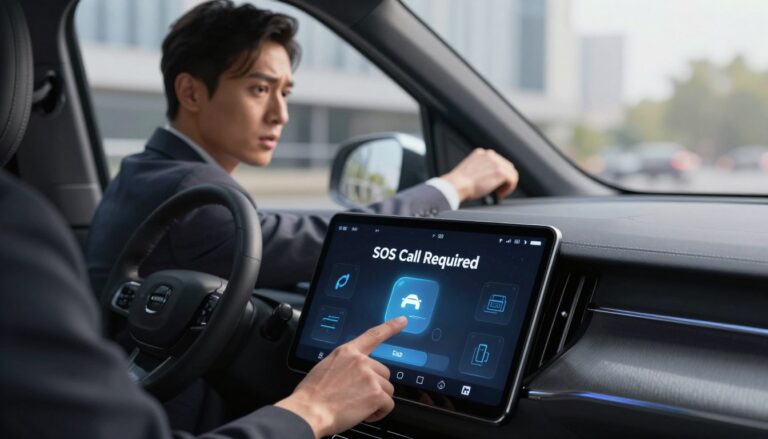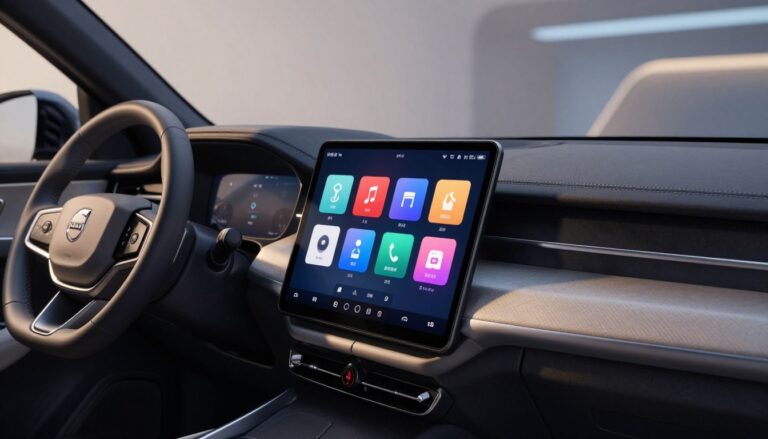

This case study frames the car as a digitally connected product and shows how a platform of services becomes a daily touchpoint for buyers and owners.
The piece defines customer engagement for autos as repeated interactions that boost convenience, confidence, and satisfaction before delivery and through ownership.
We’ll explain why an integrated ecosystem matters: it stretches the relationship beyond the showroom and turns routine tasks into meaningful moments.
Readers will get a practical preview of two phases—digital buying as the front door and connected ownership as the long-term bond—plus key features, platform partnerships like in-car Android, and the operating model that speeds digital delivery.
Expect real examples and clear takeaways for product, service, and loyalty teams evaluating how software changes the car and the customer lifecycle.
Key Takeaways
- See the car as a connected product that extends engagement beyond purchase.
- Engagement means repeated, confidence-building interactions across ownership.
- App-based touchpoints link buying and long-term service outcomes.
- Platform partners and in-car software shape key feature roadmaps.
- Faster internal delivery models translate engagement into loyalty and growth.
Case study context: why customer engagement in the auto industry is being rewritten right now
Auto brands now compete on ongoing experience, not just the showroom sale. The shift means the purchase is one step in a longer journey that spans discovery, delivery, ownership, and renewal.
Across the industry, companies that offer continuous value win trust. Software updates, service reminders, and connected conveniences keep owners involved for many years.
Consumer platforms and subscription services train people to expect fast, transparent, self-serve flows. Daily apps like streaming and subscriptions shape those expectations for cars and ownership.
Brands that treat engagement as continuous see better retention and repeat business. Treating the car as a managed product aligns operations and product teams around long-term outcomes.

How the multi-year journey is structured
- Discovery and digital shopping that reduce friction before purchase.
- Delivery and onboarding that build early confidence.
- Ongoing ownership with updates, services, and shared access.
- Renewal or upgrade paths that keep the relationship alive.
| Stage | Customer Expectation | Business Response |
|---|---|---|
| Discovery | Transparent pricing and options | Clear e-commerce and configurator tools |
| Ownership | Fast fixes, remote controls, regular updates | Connected services and OTA software delivery |
| Renewal | Easy upgrade or subscription choices | Flexible subscription plans and loyalty offers |
Legacy brands can adapt by redesigning digital touchpoints. For a close-up on how a manufacturer modernizes operations and retail, see a guided factory tour that shows practical change at scale.
What role does Volvo’s app ecosystem play in customer engagement?
An integrated mobile and in-vehicle platform frames the vehicle as a managed product with regular, useful touchpoints.

Engagement before delivery through digital buying and clearer information
The platform combines a mobile app layer and an in-car platform, linked by cloud services. This gives clearer information about options, pricing logic, configurations, and timelines than traditional retail. Buyers see availability and can complete steps with less friction.
Engagement after delivery through connected features that reduce friction over time
After handover, small, repeated moments keep owners returning to the app. Remote start, cabin pre-conditioning, shared access, and service scheduling are real behaviors that cut steps from common tasks.
How a “device on wheels” mindset changes customer experience management
Teams treat the car like software: they iterate features, run quick experiments, and fix issues continuously. That shift requires tight integration across ordering, fulfillment, vehicle status, and service systems.
| Layer | Function | Customer Benefit |
|---|---|---|
| Mobile app | Ordering, remote controls, access | Transparent options and ongoing convenience |
| Car platform | In-vehicle services, sharing, OTA updates | Consistent in-drive experience |
| Cloud / Back-end | Data flow for status, fulfillment, service | Simplicity that masks complex operations |
“Two buckets: simplify how people get a car, and keep reducing friction with connected capabilities.”
The digital buying journey: e-commerce, configuration, and subscription as the front door
Buying a car now begins on a screen, where choice and clarity replace long dealership errands. Traditional retail often forced back-and-forth visits, opaque negotiation, and unclear timelines. That friction raised effort and lowered trust.
Reducing a laborious retail process with self-serve interfaces and transparent options
Self-serve tools let shoppers see pricing, select features, and check availability without negotiation. Clear options reduce uncertainty and speed decisions.
Subscription model design inspired by streaming and tailored to vehicles
Subscription products apply familiar logic from Spotify and Netflix to vehicles. Terms typically run around two years, and packages bundle insurance, maintenance, and support. This product approach makes access flexible and predictable.
Operational steps customers feel: pricing, availability, scheduling pickup in a few taps
Concrete moments drive trust: confirming pricing, checking stock, choosing pickup, and receiving readiness updates. Each step becomes an engagement touchpoint and reduces surprise at delivery.
| Customer Action | Digital Benefit | Business Outcome |
|---|---|---|
| Configure trim and options | Immediate pricing and visual preview | Fewer returns, higher conversion |
| Check availability | Real-time stock and lead times | Lower support calls, clearer supply planning |
| Choose subscription or purchase | Bundled billing and term clarity | Predictable revenue and retention |
“Simplify the front door and you streamline the whole ownership journey.”
The ownership experience: Volvo Cars app features that keep customers connected
Daily interactions arrive through a single mobile layer and vehicle link. This turns useful tasks into small habits that bring ongoing value.
Remote convenience for comfort and readiness
Pre-conditioning and remote start make the car warm or cool before a trip. These simple controls reduce hassle and add clear value every day.
Sharing that fits family and community life
Car sharing extends access to friends and family without heavy admin. Controlled keys, time limits, and predictable permissions build trust and safe use across a community.
Smoother service interactions that keep loyalty growing
Self-service scheduling, status updates, and fewer phone calls lower friction for service. Faster, clearer service moments lift satisfaction and repeat business.
How the car cloud keeps experiences consistent
The cloud unifies identity, settings, and subscriptions so consumers see the same preferences across models. That continuity helps create connected ownership and steady engagement.
| Feature | Benefit | Customer outcome |
|---|---|---|
| Remote start & pre-conditioning | Comfort on demand | Daily value, higher active use |
| Shared access controls | Safe, flexible lending | More community use, lower admin |
| Service status & scheduling | Transparent repairs and updates | Fewer calls, stronger loyalty |
Platform ecosystem and partnerships: how Volvo scales engagement beyond one app
A strategic partner network lets an automaker borrow best-in-class services instead of building every layer internally. That approach speeds delivery and focuses internal teams on core product work.
Modernizing infotainment with embedded Android
Embedding Android in vehicles upgrades usability and brings familiar interfaces to drivers. This platform choice improves navigation, mapping, and media access.
Everyday utilities that drive customer success
Calendar, contacts, and navigation reduce cognitive load during trips. Simple access to these systems lowers friction and raises perceived product quality.
Silicon Valley proximity and co-creation
Mountain View presence enables joint development with Google, Amazon, and Uber. Co-creation shortens cycles and improves integration reliability across systems.
Startup partners reinforcing the stack
Investments and ties with Luminar (lidar) and FreeWire (fast charging) show how partners add real features: safety and convenient EV charging.
“Platform decisions today determine how fast new capabilities arrive over the life of a vehicle.”
- Partners accelerate development and add specialized technology.
- Platform and systems choices shape product longevity and future readiness.
- Tight partner relationships boost customer success and operational speed.
Operating model behind the scenes: unifying CIO/CDO responsibilities to move faster
A compact operating model links digital product teams and back-end operations so the company can deliver features faster. This setup reduces long handoffs and lowers the risk of inconsistent user-facing behavior caused by slow internal delivery.
End-to-end accountability from front-end experiences to back-end systems
Combining CIO and CDO responsibilities creates a single accountability line across both customer-facing experiences and core systems.
This reduces friction between product teams and infrastructure teams and speeds issue resolution.
Reframing IT as “Enterprise Products” for product velocity
Enterprise Products treats internal platforms like customer products. Teams think in releases, roadmaps, and outcomes.
That mindset lifts product service velocity across manufacturing, sales, and employee tools.
Speed, vendor management, and strategic sourcing as hidden levers
Speed and agility are prerequisites for relevance. Faster cadence and reliable releases matter for daily use.
Vendor management and strategic sourcing at global scale improve uptime, app performance, and service responsiveness.
“Tight operating management ties delivery speed to better customer outcomes.”
- Designing the operating model directly reduces friction and supports trust.
- Unified leadership ensures transformation applies to both external products and internal systems.
- Better vendor choices and contracts raise operational quality and cut costs.
Customer value and business impact: how engagement translates into loyalty and growth
Clear digital touchpoints translate into measurable value for owners and the business alike.
Connecting engagement to experience, retention, and lifetime value
Repeated, useful interactions drive higher retention and stronger loyalty. When customers find real value daily, lifetime value rises.
Concrete signals track this: fewer pain points, faster resolutions, and more trust in the brand.
Operational excellence and digital transformation as foundations for consistent service
Operational reliability underpins how customers judge competence. App uptime, accurate vehicle data, and smooth scheduling matter more than flashy features.
Transformation through standardized platforms, automation, and AI reduces variance across regions. That leads to consistent service and scalable outcomes.
Measurement framework to prove success: adoption, active use, satisfaction, and service deflection
Use clear targets to show progress and guide choices. Track:
- App adoption rate — target new users per month.
- Monthly active users — target engagement depth.
- Feature-level active use — which functions deliver daily value.
- Satisfaction / NPS — signal the perception of success.
- Service deflection — fewer support calls and shop visits via self-serve.
| Metric | Target | What it informs |
|---|---|---|
| Adoption rate | target: 20% qtr-over-qtr | Build vs. awareness priorities |
| MAU | target: 40% of owners | Feature investment and retention tactics |
| Service deflection | target: 15% fewer calls | Operational fixes and automation |
“Measure usage, tie results to business targets, then act: build what grows value and fix what blocks it.”
Conclusion
A connected software layer turns the vehicle into a service that keeps people involved long after purchase.
This case shows how volvo cars combine digital buying, daily remote features, sharing, and simplified service to create one continuous relationship between owner and car.
Treating the car as a living device means updates and improvements arrive over time. That expectation pushes volvo cars to deliver a consistently modern experience for people who depend on reliability.
Platform partnerships—notably embedded Android and a Silicon Valley-informed partner network—speed new capabilities. A unified operating model ties digital leadership to dependable execution.
By linking technology, customer experience, and responsible choices across the supply chain, the company can make difference for owners and society. The practical takeaway: design, measure, and iterate engagement like a digital product; this model is a clear reference for automakers seeking the same future.
FAQ
What is the primary purpose of Volvo Cars’ mobile platform for owners?
The platform connects drivers to their vehicles and services, offering remote controls, service scheduling, and real-time vehicle status. It shortens response times for maintenance, simplifies payments and subscriptions, and delivers daily convenience features such as climate pre-conditioning and remote lock/unlock, improving overall ownership satisfaction.
How does the platform change the buying experience before delivery?
The digital front end enables online configuration, transparent pricing, and scheduling for pickup or home delivery. Self-service interfaces reduce time spent at retail locations and provide clearer information on availability, options, and subscription plans so shoppers make informed decisions faster.
In what ways does connectivity support customer loyalty after purchase?
Ongoing connected services keep owners engaged through feature updates, vehicle health alerts, and streamlined service bookings. Sharing features and family access expand utility, while lower-friction interactions with dealers and service centers increase retention and repeat business.
How are subscription offerings integrated into the ownership journey?
Subscriptions for software, media, and charging are offered natively through the platform. The model mirrors consumer services like streaming: flexible tiers, easy billing, and on-demand activation. This creates recurring revenue and keeps customers tied to the brand ecosystem.
Why is embedding Android Automotive significant for in-car experiences?
Android Automotive modernizes infotainment by enabling native apps, better voice assistants, and seamless updates. It allows partners like Google and Amazon to integrate navigation, calendar, and media natively, raising usability and reducing fragmentation across devices.
How do partnerships and startups strengthen the connected offering?
Collaborations with tech firms and mobility providers accelerate feature development—examples include mapping, fast-charging networks, and sensor tech such as lidar. These partnerships scale capabilities faster than in-house development alone and extend the ecosystem beyond a single app.
What organizational changes support faster product delivery?
The company aligns CIO and CDO responsibilities and treats IT as product-led teams. This end-to-end ownership model speeds decision-making, improves integration between customer-facing apps and backend systems, and increases the frequency of feature releases.
How is success measured for connected services and digital engagement?
Measurement focuses on adoption rates, active use, customer satisfaction scores, and service deflection (fewer in-person calls or visits). Those metrics link digital engagement to retention and lifetime value, enabling continuous improvement and ROI analysis.
What operational benefits do consumers see in everyday use?
Owners enjoy conveniences like remote climate control, scheduled charging, over-the-air updates, and simplified service booking. These reduce friction across ownership tasks, save time, and create predictable experiences across different vehicles and markets.
How does the system support multi-user and community use cases?
Built-in sharing and permission features let families and fleets share access securely. Integration with calendars and contacts streamlines trip planning, while fleet tools and enterprise integrations support business customers with centralized management and reporting.