
Visible smoke or strong odors from a car often signal a symptom, not a full diagnosis. In many cases the engine’s air-fuel balance or emissions control system has drifted, affecting performance and the environment.
Common triggers include failing oxygen sensors, a clogged catalytic converter, leaks in the exhaust, misfires, or worn ignition parts. Drivers may notice dark smoke, a sulfur-like smell, rough idle, or higher fuel use.
Quick checks can help: scan for DTCs with an OBD-II reader, inspect sensors, and look for visible rust or holes in the system. Early fixes protect the converter and keep emissions volvo readings lower.
Owners who want deeper troubleshooting can explore volvo diagnostic advice and learn how models such as the volvo ex90 react to small faults. Prompt action restores drivability and helps the environment.
Key Takeaways
- Visible smoke usually marks an imbalance in combustion or emissions control.
- Dark, blue, and white plumes point to different root causes and urgency.
- Use an OBD-II scan and inspect sensors, plugs, and the exhaust path early.
- Fixes prevent secondary damage to the catalytic converter and sensors.
- Watch for rough running and rising fuel use as practical warning signs.
Understanding excessive exhaust gas in your Volvo today
Visible plumes and odd odors from the tailpipe often signal incomplete combustion or failing emission controls. These symptoms affect drivability and can raise local air pollution when left unchecked.
What excessive exhaust gas emissions mean for performance and the environment
Excessive exhaust gas emissions typically show as more visible smoke, a persistent odor, and lower miles per gallon. These signs point to unburned fuel or unprocessed pollutants leaving the tailpipe. Early checks help protect sensors and the catalytic converter while reducing increased emissions that harm the environment.
Common signs: dark smoke, strong odors, reduced fuel economy, rough running
- Dark plumes on acceleration often indicate a rich fuel condition or clogged injectors.
- A rotten-egg or sulfur smell can mean catalytic converter trouble and sluggish acceleration.
- Hissing noises and visible rust or holes under the car suggest exhaust leaks that bypass treatment.
- Hybrid drivers may notice issues only when the gasoline engine cycles on; log when symptoms appear.
Smoke color basics: black, blue, and white indicators you shouldn’t ignore
Black usually signals too much fuel in the combustion mix. Blue points to oil burning from worn seals or rings. White can mean coolant entering the combustion chamber and needs prompt attention.

| Symptom | Likely cause | Immediate check |
|---|---|---|
| Black smoke | Rich fuel mixture or faulty injectors | Inspect fuel system, scan for codes |
| Blue smoke | Oil burning from seals or rings | Check oil level and engine compression |
| White smoke | Coolant intrusion into combustion | Inspect coolant level and head gasket |
Why is my Volvo experiencing excessive exhaust gas (smoke)?
A failure in sensor input, fuel delivery, or sealing lets untreated combustion products escape before proper processing.
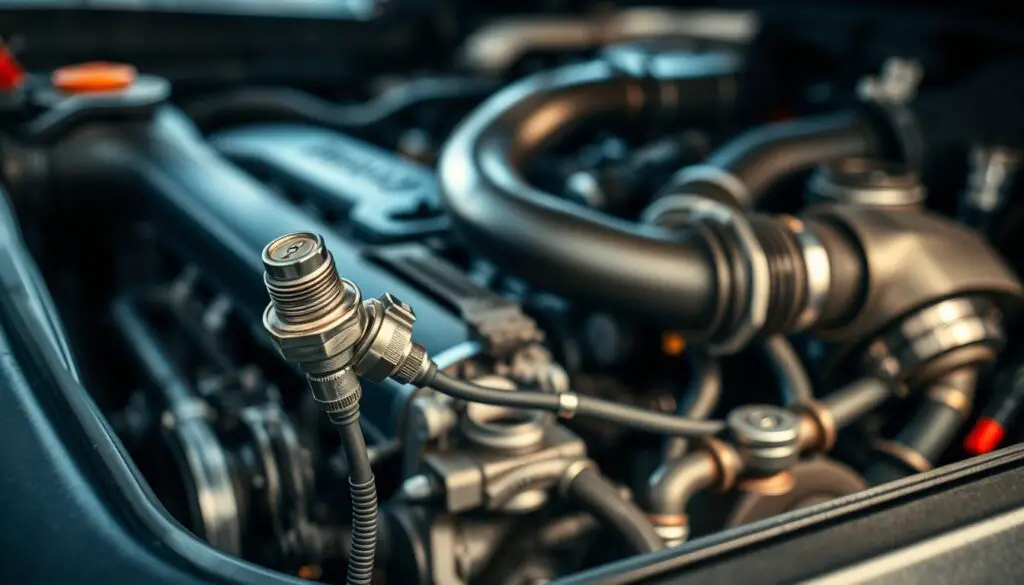
Malfunctioning oxygen sensors feed poor data to the ECU, upsetting the air-fuel mixture. The engine then runs rich and burns more fuel, which raises exhaust gas emissions and lowers economy.
Failing catalytic converter units can clog or contaminate. Symptoms include a sulfur-like odor, sluggish throttle, and higher harmful emissions as the converter can no longer clean the stream effectively.
Other common causes
- Exhaust system leaks ahead of the converter let raw fumes bypass treatment and can make the cabin smell and the system louder.
- Engine misfires from bad spark plugs or coils send unburned fuel into the exhaust, which can overheat and harm the converter.
- Fuel delivery faults — clogged injectors or a stuck regulator — create rich running and visible tailpipe output.
- Excess combustion pressure due to worn rings, valve seals, or poor fuel quality leads to blue or white plumes and contamination.
| Cause | Main sign | Quick check |
|---|---|---|
| Oxygen sensor failure | Rich running, higher emissions | Scan ECU, inspect sensors |
| Catalytic converter | Sulfur smell, sluggish response | Check backpressure, visual damage |
| Exhaust leaks | Hissing, louder system | Look for rust, holes, listen under load |
How to diagnose and fix excessive exhaust on a Volvo, step by step
Begin with an OBD-II readout to reveal stored trouble codes and live sensor data for accurate troubleshooting. That scan directs checks and saves time when diagnosing increased emissions.
Run an OBD-II scan and interpret DTCs
Scan first: retrieve DTCs, note pending codes, and watch live values for oxygen sensors and fuel trims. Use code data to focus repairs and avoid needless part swaps.
Inspect and replace sensors; verify air filter and MAF health
Check oxygen sensors with live data. Replace aged sensors to restore proper engine control. Clean or swap the air filter and test the MAF to ensure accurate airflow readings.
Check for leaks and evaluate the catalytic converter
Perform an underbody inspection for rust, holes, or hissing that let untreated fumes bypass the converter. Assess the catalytic converter with temperature or backpressure checks; replace a failed converter to stop rising exhaust gas emissions.
Follow the maintenance schedule: spark plugs, fuel system, and emission controls
Service spark plugs, coils, and injectors to prevent misfires that dump unburned fuel into the exhaust system. Stick to the maintenance schedule for oil, filters, and emission controls to limit increased emissions.
When to get help: document findings and, if codes persist, contact volvo cars service for advanced diagnostics and genuine parts.
| Step | Tool | When to act |
|---|---|---|
| OBD-II scan | Scanner/OBD app | At first sign of emissions or dash warning |
| Sensors & intake | Multimeter/MAF cleaner | If codes or poor fuel trims appear |
| Underbody & converter | Inspection tools/backpressure gauge | Hissing, sulfur odor, or persistent emissions |
Conclusion
A focused diagnostic routine prevents small combustion faults from turning into costly repairs. Scan for codes, check sensors and the air-fuel mixture, inspect the exhaust path, and address fuel delivery or ignition faults promptly to restore engine performance.
Acting fast protects the catalytic converter and cuts increased emissions before they worsen. Hybrids and the ex90 still need periodic checks because the gasoline engine may cycle on unpredictably.
For further guidance and parts, explore volvo diagnostic advice or contact volvo cars to arrange service, a loaner, or centerfinance options. Smart upkeep keeps your car efficient, reduces gas emissions, and helps you buy or keep the right vehicle for daily driving.
FAQ
What does excessive exhaust emission indicate for performance and the environment?
High exhaust output often signals combustion problems that reduce power and fuel efficiency. It raises harmful emissions that can fail inspections and damage air quality. Timely diagnosis protects the engine and lowers environmental impact.
What common signs point to a severe exhaust problem?
Look for dark or blue-tinged smoke, unusual odors, poor fuel economy, and rough running. These clues typically show up before warning lights and help prioritize inspection steps.
How do smoke colors help identify the underlying issue?
Black smoke usually means a rich air-fuel mix or clogged air intake. Blue suggests oil burning from worn seals or rings. White or gray steam may indicate coolant entering combustion due to a head gasket or crack.
Can a faulty oxygen sensor disrupt the air-fuel mixture?
Yes. A bad sensor sends incorrect data to the engine control unit, causing too much or too little fuel to be injected. That imbalance produces heavier emissions and poor drivability.
What role does the catalytic converter play in reducing harmful emissions?
The catalytic converter converts toxic pollutants into less harmful gases. A failing converter raises emission levels and can cause overheating, sluggish acceleration, and warning lights.
How do exhaust system leaks affect emissions before the converter?
Leaks ahead of the converter let untreated gases escape and can skew oxygen sensor readings. That leads to improper fueling and higher visible output as well as increased noise.
Could engine misfires cause increased visible output?
Absolutely. Misfires from worn spark plugs, ignition coils, or timing issues leave unburned fuel in the exhaust. That often shows as dark smoke and triggers catalytic stress.
What fuel system faults commonly increase emissions?
Clogged injectors, faulty fuel pressure regulators, and a dirty fuel filter can cause uneven spray or overfueling. These issues raise soot and lower efficiency.
How does engine wear or poor fuel quality lead to higher combustion pressure?
Worn piston rings, valve seals, or low-quality fuel can cause incomplete combustion and increased blow-by. That forces more oil and unburned fuel into the exhaust stream, boosting visible output.
How much does skipped maintenance contribute to emission problems?
Skipping tune-ups and filter changes accelerates wear and upsets emission control systems. Regular service keeps sensors, ignition, and fuel systems working within spec and prevents avoidable emissions.
What should a step-by-step diagnosis include?
Start with an OBD-II scan to read trouble codes. Inspect oxygen sensors, the air filter, and mass airflow sensor. Check ignition components, fuel pressure, and injectors. Finally, examine the exhaust for leaks and test the catalytic converter.
How do I interpret OBD-II DTCs to find the root cause?
Use the codes as guides—O2 and MAF codes point to air-fuel issues; misfire codes point to ignition or fuel delivery; catalytic converter codes show converter efficiency loss. Cross-check codes with live sensor data for accuracy.
When should oxygen sensors be replaced and how can I verify air intake components?
Replace sensors per the vehicle schedule or when codes appear. Inspect the air filter for clogging and test the mass airflow sensor for contamination. Clean or replace parts that fail to meet flow or signal specs.
How do I check for exhaust leaks and evaluate the catalytic converter?
Visually inspect the piping and joints for holes or loose clamps. Listen for hissing near the manifold. Use temperature checks or backpressure tests to assess converter health; rattling or poor temperature differential often means replacement.
What routine maintenance helps prevent higher emissions?
Follow the published service schedule for spark plugs, fuel system cleaning, air filters, and emissions component checks. Timely oil changes and using recommended fuel grades also reduce combustion-related output.
When should I contact an authorized dealer or service center?
Seek professional help if warning lights persist, if there’s visible smoke that returns after minor fixes, or when diagnostic codes are unclear. Certified technicians can perform advanced tests and warranty repairs.
Are there special considerations for hybrid models like the EX90?
Hybrids have both internal combustion and electric systems. Emission issues may still arise from the combustion engine, but battery management, regenerative systems, and unique drain profiles require technician knowledge specific to models such as the EX90.
Can using low-quality parts or fuel affect emissions and performance?
Yes. Inferior spark plugs, filters, or fuels accelerate wear, foul injectors, and degrade catalytic efficiency. Use genuine or high-quality replacement parts and recommended fuel to protect emission systems.
What immediate steps reduce harmful output until repairs occur?
Avoid hard acceleration, remove excessive engine loads, and schedule a diagnostic scan. Minor measures—like replacing a clogged air filter—can temporarily improve combustion balance and lower visible output.