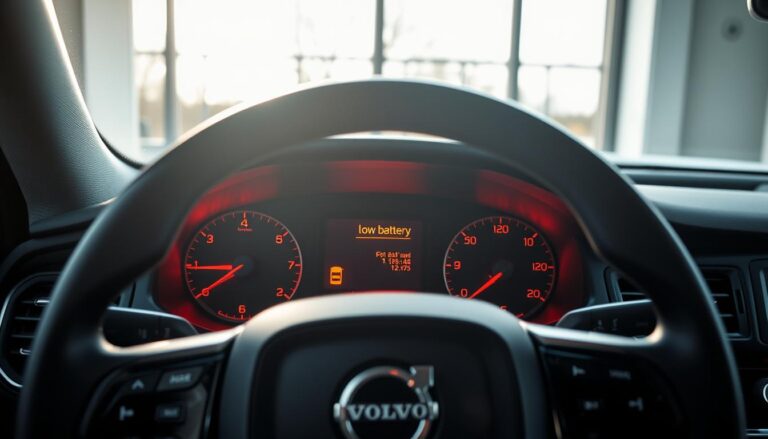

Getting an error at startup can ruin a first drive. An XC60 T8 Recharge owner reported a “pilot assist not available” message right after turning the car on. That kind of alert sends drivers hunting through menus and pressing the button for minutes to find a solution.
Owners turn to the Volvo Owners Club community for answers. Members share posts, replies, and reactions in the home forums that cover steering and safety quirks. Many threads explain how lane, mode, or software checks can block the system from engaging.
Key Takeaways
- Startup errors can come from lane or steering checks, or from recent software changes.
- Search home forums and community posts for similar issues and practical replies.
- Try simple resets and allow a few minutes for sensors to calibrate before driving.
- Document the message and time, then compare reactions from members in forum threads.
- When in doubt, contact service to verify safety systems and button or software faults.
Understanding Why is Pilot Assist not engaging on my Volvo ?
Random startup alerts about the assist system can interrupt a smooth drive. Owners of the XC60 T8 Recharge often see a “pilot assist not available” message right after ignition.
Community input helps. Experienced members in the home forums post clear replies that separate temporary software glitches from potential hardware faults.
Quick checks can save a service visit. Try a short reboot, ensure sensors have a clear view, and wait a minute for systems to calibrate. If the message returns, document the time and conditions before contacting a dealer.
“I posted my startup alert in the forum and got step-by-step replies that solved it without a trip to service.”
- Common causes: sensor obstruction, software hiccup, or electronic checks at startup.
- Use forum replies to compare similar issues and reproduce fixes safely.
- When in doubt, have trained technicians inspect hardware and software logs.

Environmental and Startup Factors
When a car sits inches from a wall, safety systems may flag a temporary fault at ignition. That alert often appears before any driving begins.
Proximity to Obstacles
Nearby objects can block sensor fields. Users have reported the message when parked very close to concrete or metal structures.
Before you drive, check for walls, poles, or reflective surfaces around the vehicle. Clearing space often removes the warning immediately.
Startup Reboot Procedures
Members often fix this by pausing, then pressing the start button again. A full off/on cycle can let systems recalibrate.
A simple reboot — turn the engine off, wait a few seconds, then restart — commonly clears the error for the rest of the driving time.
“I stepped back, started the car after a short pause, and the steering engaged normally for the whole trip.”
| Condition | Likely Trigger | Quick Action | Expected Result |
|---|---|---|---|
| Tight parking | Obstructed sensors | Move car or clear obstacle | Message clears |
| Startup after short idle | Calibration check | Restart engine | System ready for road |
| Persistent alert | Hardware or software fault | Document time and seek service — see ignition diagnostics | Professional inspection |
Sensor Maintenance and Hardware Integrity
A dusty windscreen or smeared sensor can keep advanced steering aids from working correctly. Regular checks of glass, camera lenses, and radar faces help prevent sudden disablement of the pilot assist feature.
Clean components gently. Use a soft cloth and approved cleaner on the windscreen, and remove road grime from sensor housings. Do this weekly in harsh weather.
Cleaning Windscreen and External Sensors
Clear visibility for cameras and radar is essential so the system can track lanes and vehicles. A persistent calibration error may cause the steering function to disable itself even when the car looks fine.
“I had a faulty wheel sensor that cost £550 to repair; the dealer later covered it under warranty.”
| Check | Why | Action |
|---|---|---|
| Windscreen | Camera clarity | Wipe with glass cleaner |
| Front sensors | Radar visibility | Remove debris and road film |
| Wheel sensors | Steering input | Document faults; seek technician |
If cleaning does not clear the error, have a technician inspect hardware integrity. For step-by-step help, see a sensor troubleshooting guide that covers common faults and warranty considerations.
Software Configuration and System Limitations
Not all driving aids arrive active from the factory; configuration and updates shape capability. Owners should check which modules the car shipped with before assuming features will behave the same across models.
Understanding Lane Change Assist
Passing assist can operate without the 312 LANE CHANGE ASSIST enabled. That means the system will help hold a lane and keep pace, but it will not perform a true autonomous lane change.
Watch the dash. When pilot assist is active, the steering wheel icon should turn green. That confirms the steering function is holding lane position.
Software Updates and Orbit
Some owners of a 2019 S60 Inscription Plus used Orbit software to unlock features like Adaptive Cruise Control and pilot assist. These upgrades can add capability, though they are not officially supported for every car.
Adaptive Cruise Control Requirements
Adaptive cruise often depends on specific software and hardware flags. If cruise or steering modes fail to appear, verify installed modules and recent updates before seeking repair.
| Scenario | Effect | Quick check | Expected outcome |
|---|---|---|---|
| 312 lane change disabled | No autonomous lane change | Use passing assist manually | Lane hold only |
| Orbit enable applied | Extra features possible | Confirm compatibility and risks | Enhanced assist available |
| Missing cruise module | Adaptive cruise unavailable | Check software and dealer options | Schedule update or install |
Conclusion
A quick set of routines can keep lane-holding features ready for the road. Check for environmental obstructions, perform a simple reboot, and keep sensors and the windscreen clean before driving.
Tap into the Volvo Owners Club community and home forums. Members share posts, replies, and reactions that often point to fast fixes or menu checks that save time.
If steering or safety systems stay unresponsive after several minutes, document the message and contact a local dealer for a professional diagnostic. Use caution with third-party tools like Orbit; modifying car configuration can affect warranty and system safety.
Monitor performance, act on minor issues promptly, and you’ll reduce surprises on the road.
FAQ
Why isn’t my Volvo’s Pilot Assist engaging?
The system requires specific conditions: clear lane markings, a suitable road type (usually highways), and an active adaptive cruise function. If steering assist stays off, check that the speed is within the system’s operational range and the driver has pressed the engagement button. Also inspect the windshield and sensors for dirt or ice that can block detection.
What environmental or startup factors can prevent engagement?
Low visibility, poor lane contrast, sharp curves, heavy rain, snow, or glare can stop the system from activating. Immediately after starting, the vehicle might run a self-check; wait a minute and try again. Parking close to obstacles or tight urban streets can also inhibit activation until the car reaches suitable driving conditions.
How does proximity to obstacles affect activation?
Objects near the lane, such as parked cars, barriers, or traffic cones, can confuse sensors and make the system unavailable. Maintain safe distance from roadside clutter and avoid narrow lanes until the car reaches clearer road sections where steering assist can operate reliably.
What startup reboot procedures should I follow?
If the system fails to engage, turn the car off, wait 30 seconds, and restart. If that doesn’t help, perform a soft reboot by disconnecting the 12V battery for a minute only if you are comfortable doing so or ask a dealer. Always consult the owner’s manual before attempting electrical resets.
How often should I clean the windscreen and external sensors?
Clean the windshield, radar cover, and camera area regularly—especially after winter or off-road use. Wipe these surfaces gently with a soft cloth and approved cleaner to avoid scratches. Regular inspection prevents signal blockage and improves detection reliability.
What hardware integrity issues can prevent operation?
Cracks, chips, or misaligned sensors reduce effectiveness. Impact damage, loose mounts, or aftermarket tints can interfere with camera and radar performance. Have a certified Volvo technician inspect any visible damage or if the system frequently aborts activation.
How does lane change assist differ and affect steering activation?
Lane Change Assist works alongside steering support but requires different inputs. If lane change features are disabled or limited by software settings, steering support may still be restricted. Verify that lane-keeping settings are enabled in the vehicle menu and that adaptive cruise is active.
How important are software updates and firmware for engagement?
Software updates often fix bugs and improve sensor fusion. Outdated firmware can cause intermittent failures. Check for updates at an authorized dealer or via Volvo’s connected services. Updating software can restore functionality without hardware replacement.
Does adaptive cruise control need to be active first?
Yes. The steering support system typically requires adaptive cruise control to be engaged and set to a compatible speed. If the cruise control is off or set outside the allowable range, steering assistance won’t activate. Confirm both systems are enabled and set correctly.
When should I contact a dealer or Volvo support?
Seek professional help if resets, cleaning, and updates don’t resolve the problem, if warning messages persist, or if sensors show physical damage. A dealer can run diagnostics, install firmware updates, and replace faulty components to restore full operation.